
On June 16, 1976, thousands of Black students in Soweto rose up in a pivotal event in modern South African history.
Soweto was a Black “township,” the South African term for an all-Black (or Indian or “Colored”) suburb whose residents’ primary purpose was to serve the needs of the nearby white population, in this instance Johannesburg.
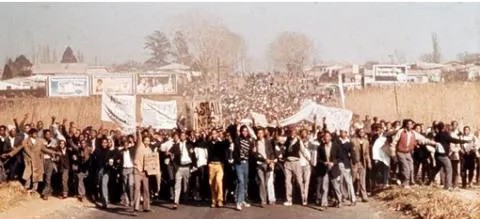
The Soweto struggle was one among many waged against white minority rule that had grown increasingly more powerful and oppressive since the country’s inception.
After South Africa became independent of Britain in 1910, the small proportion of South Africans of European descent held total control over the country’s government, land, economy, and society. At this point, indigenous South Africans were largely confined to rural “homelands” created by the regime because, under the Natives (Urban Areas) Act of 1923, Black people could only live and work in cities if granted permission by the state.
The situation for South Africa’s nonwhite population worsened in 1948, when the National Party narrowly won the (white-only) elections and ushered in even more racist and cruel policies euphemistically referred to in Afrikaans as “apartheid,” meaning separateness in English.
The timing was particularly ironic since the Nazis and their fascist allies just had been defeated three years prior.
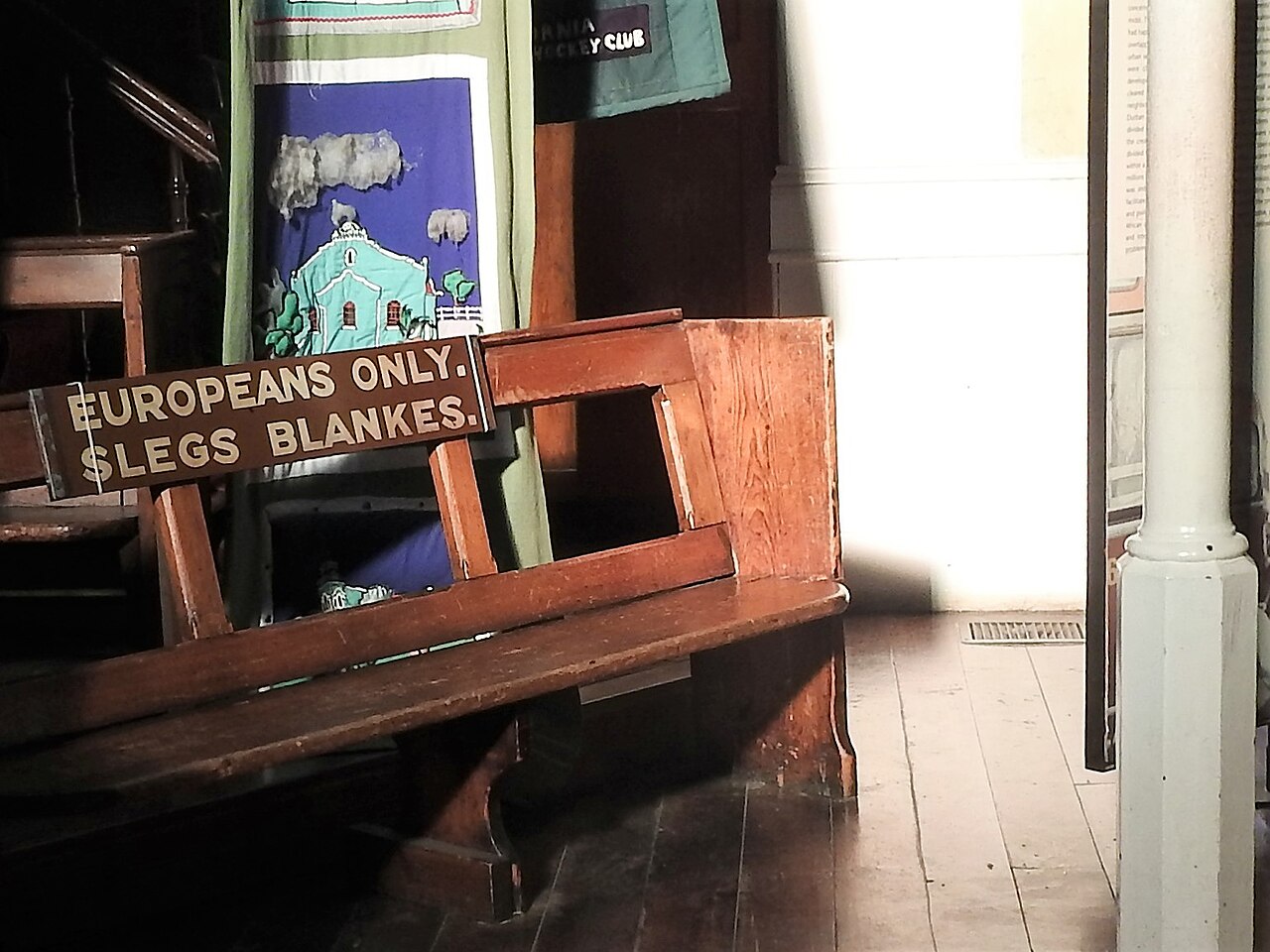
For Black students—referred to by apartheid policy as Bantus for a large group of African languages—apartheid meant the creation of the Bantu Education Act (1953). The purpose of “Bantu Education” was solely to prepare Black people to serve the needs of white South Africans.
This educational system was part of a suite of draconian policies to force Blacks to remain in rural “homelands,” except for Black workers needed by white employers who were permitted to live in urban areas.
In the 1950s and early 1960s, a large and impressive array of organizations resisted apartheid, the most well-known of these groups was the African National Congress (ANC). However, by the mid-1960s, fierce state repression had resulted in all opponents being murdered, imprisoned, banned, silenced, driven underground, or forced into exile.
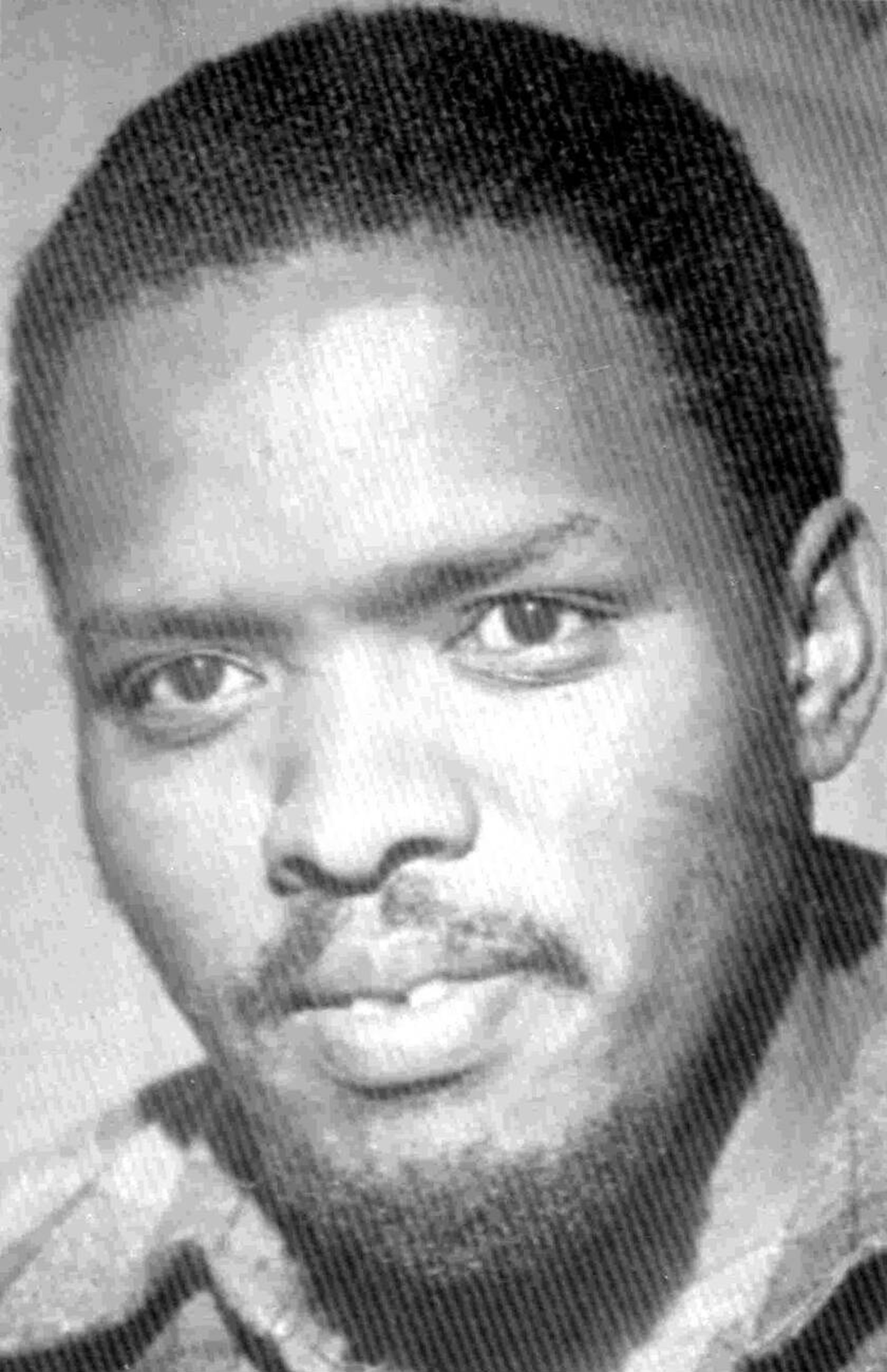
The result was a so-called “quiet decade,” which was only a partially accurate descriptor. In the late 1960s, some Black, Colored, and Indian university students—led by Steven Biko—started to organize themselves as the South African Students’ Organisation (SASO).
From these student efforts came the Black Consciousness Movement. Somewhat akin to the Black Power Movement in the United States, Black Consciousness sought to empower Black people long beaten down, literally and figuratively, by apartheid.
The other contributing factor to the resurgence of the struggle was the Durban Strike wave of 1973, when upwards of 100,000 Black and Indian workers went on strike to increase their poverty-level wages. While the strikers’ immediate goal was more money, everyone understood that any example of Black collective power was a threat to apartheid.
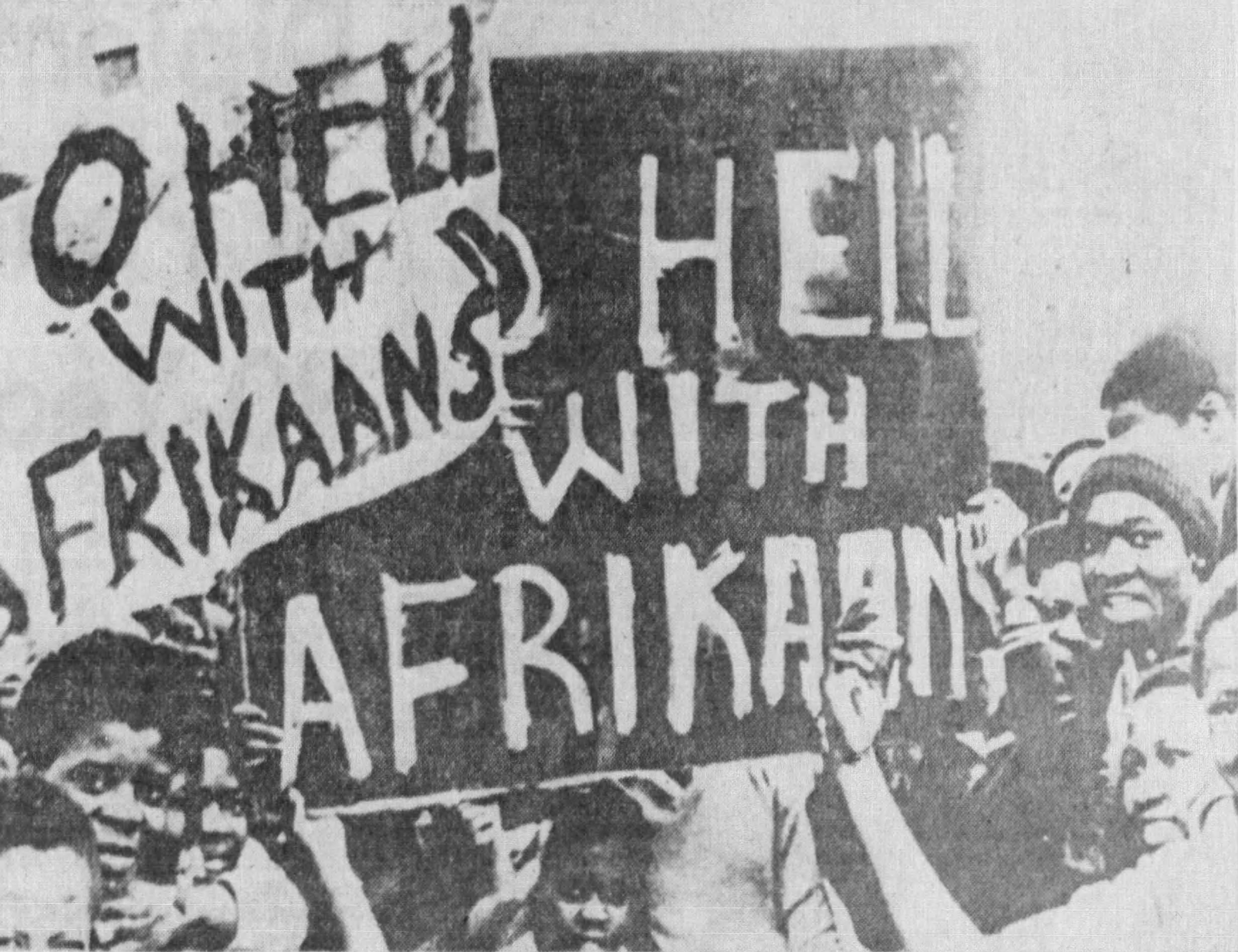
A few years later, in 1976, students in Soweto rose up against their dreadful educational opportunities and against the requirement to learn Afrikaans, the language of their white oppressors of Dutch descent. Unsurprisingly, few Blacks desired to use Afrikaans in schools.
The student strikes quickly spread to Cape Town and other parts of the country, and soon opposition to apartheid exploded—among students, workers, and communities.
The Soweto Uprising inspired other Black children and their elders to do the same around the country.
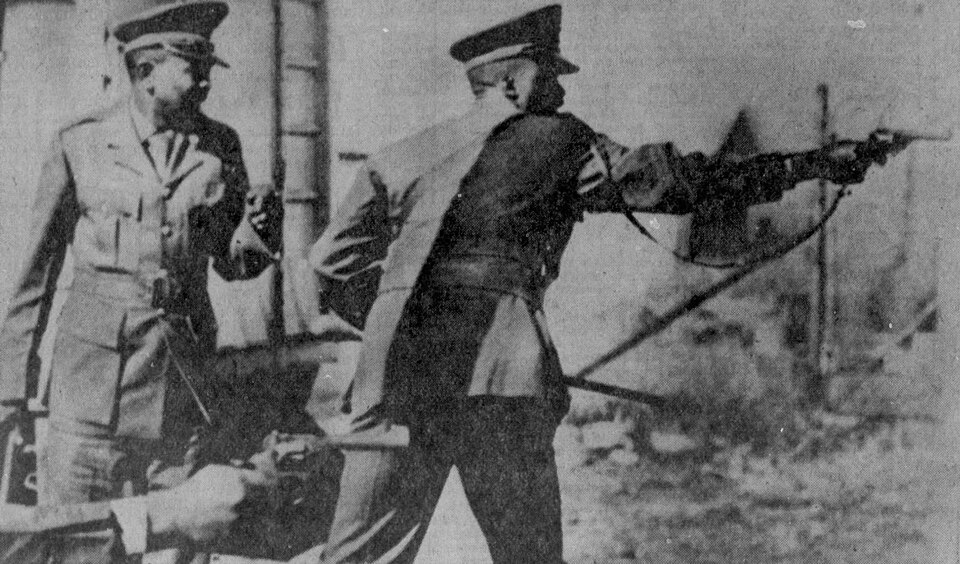
As with previous efforts to overturn the white supremacist—arguably fascist—regime, Black students faced the wrath of a state that tolerated no dissent.
The police killed many children who refused to attend classes “taught” in Afrikaans. While the total casualties remain uncertain, between 176 and 700 people were killed and about 2,500 were injured in the weeks after students first walked out of their classes. Almost all the victims were Black, largely from the guns and batons of the South African police.
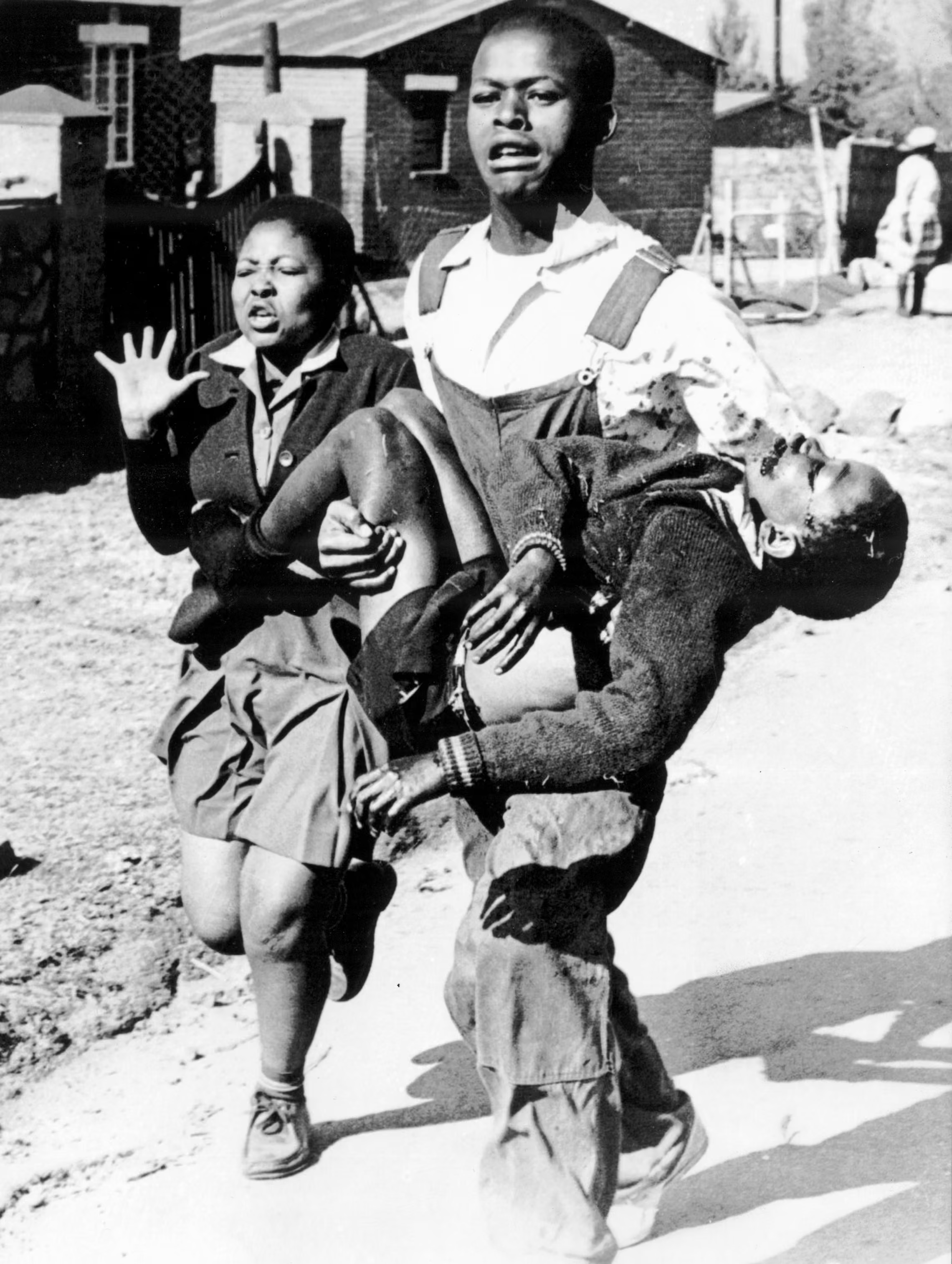
Yet unlike in earlier instances when state repression squashed dissent, from 1976 onward the struggle against apartheid, both inside the country and worldwide, expanded.
Notably, a deeply moving photograph of a Black boy carrying the body of another Black boy, just killed by police, with a Black girl wailing and weeping beside them, circulated globally—not unlike the viral video of a police officer murdering George Floyd in Minneapolis in 2020.
After the Soweto Uprising, the apartheid regime experienced ever-more pressure to abandon its oppressive system though it took another eighteen years for a multiracial, democracy to emerge. In many ways, modern South Africa, nicknamed the “Rainbow Nation,” was a product of Soweto.
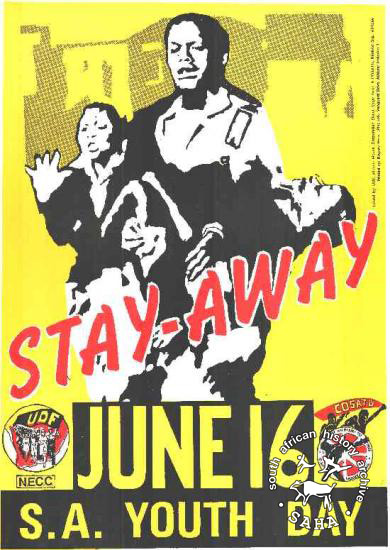
Apartheid finally fell in 1994 when all people—regardless of their racial or ethnic heritage—gained equal rights and could elect their own leaders. The new ANC-led government, with Nelson Mandela, its most prominent leader, elected President eventually designated June 16 as a national holiday. Known as Youth Day, it honors all young people killed in the struggle against Apartheid and Bantu Education.
The 50th anniversary of the Soweto Uprising is worthy of remembrance to appreciate that true progress generally requires struggle on the part of the people. Yet, it also reveals how far South Africa still must travel to become truly egalitarian. Despite more than thirty years of freedom, most Black South Africans remain deeply poor while the average white South Africans remain far more likely to own land and a house, and far more likely to have a high school or university education.
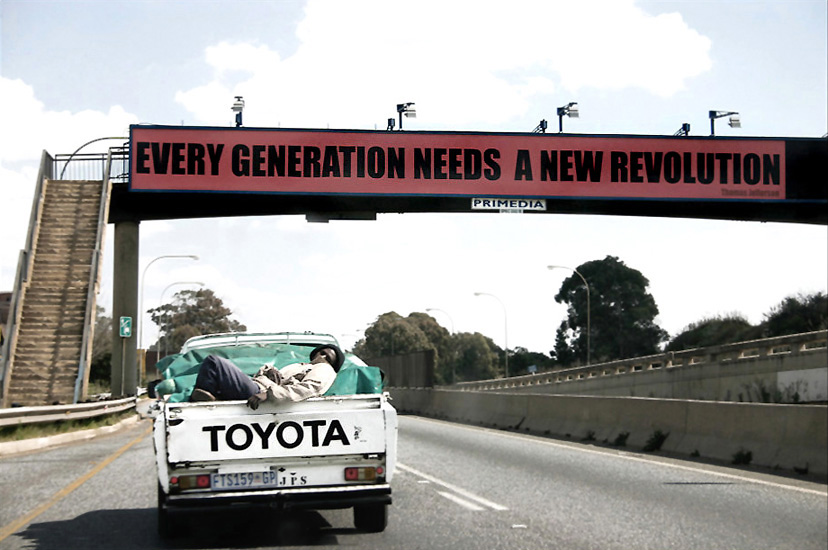
Hence, we remember Soweto as a turning point and a reminder that Black (and poor) students continue to suffer under an unfair system in which race often restricts one’s chance of success.

Learn More:
16 June 1976 Soweto Uprising, South Africa History Online
https://sahistory.org.za/article/june-16-soweto-youth-uprising
South Africa Broadcasting, Truth Commission Special Report
https://sabctrc.saha.org.za/glossary/soweto_uprising.htm?tab=victims
Brown, Julian. The Road to Soweto: Resistance and the Uprising of 16 June 1976. Cambridge University Press, 2016.
Hlongwane, A. Khangela. "The mapping of the June 16, 1976 Soweto student uprisings routes: past recollections and present reconstruction(s)," Journal of African Cultural Studies, 19 (2007), 7–36.
Nieftagodien, Noor. The Soweto Uprising (Ohio Short Histories of Africa). Ohio University Press, 2014
Ndlovu, Sifiso Mxolisi. "Soweto Uprising," The Road to Democracy in South Africa Vol. 2. South African Democracy Education Trust PDF for the chapter
Ndlovu, Sifiso Mxolisi. "The mapping of the June 16 1976 Soweto student uprisings routes," South African Historical Journal, 2007.


