
When President Donald Trump started a war with Iran in February 2026, he created economic chaos around the world and widened conflicts already raging in the region. In this essay, historian Annie Tracy Samuel pulls back the lens on US-Iranian relations, examining the history of friction between the two nations to put the 2026 war in deeper perspective.
On February 28, 2026, after teetering on the brink of war for over a month, the United States and Israel launched a major assault against the Islamic Republic of Iran, with Israel opening a second front in Lebanon shortly thereafter. Although the United States and Iran reached a ceasefire agreement in mid-June, President Trump declared that ceasefire “over” on July 8, as fighting continued on all fronts, interrupting the post-war talks between the parties.
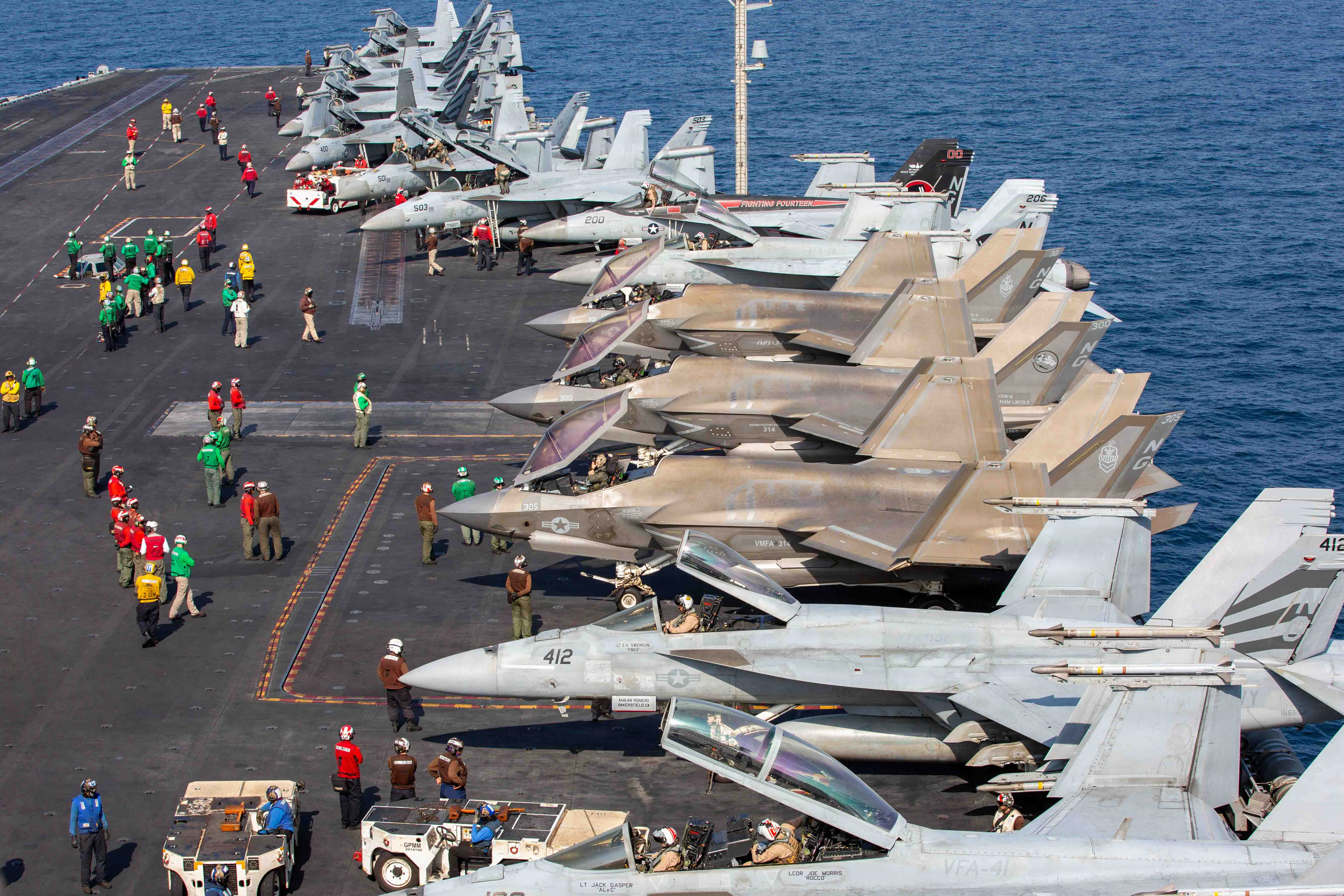
It remains far from certain where those talks will lead or what they may accomplish. Given that the most recent war, dubbed “Operation Epic Fury” by the Trump administration, came less than a year after a similar Israeli and U.S. attack on Iran in June 2025, it would be safe to predict that a renewal of fighting is at least as likely as the establishment of anything coming close to peace. Whatever the future holds, it is already apparent that the military campaign failed to achieve the objectives for which it was purportedly launched, and that it did far more harm than good to all parties involved.
Iran and its people are devastated. The masses of Iranian protesters, who in the two months preceding the war put their lives on the line to secure a better future for themselves and for whom the military campaign was nominally waged, have gained nothing from the carnage. The Islamic Republic remains firmly in power. Although its Supreme Leader, in office since 1989, was assassinated in the war’s first days, a new Supreme Leader—with the same last name as his predecessor, no less—has taken over, and is thought to be more, not less, radical than his departed father.
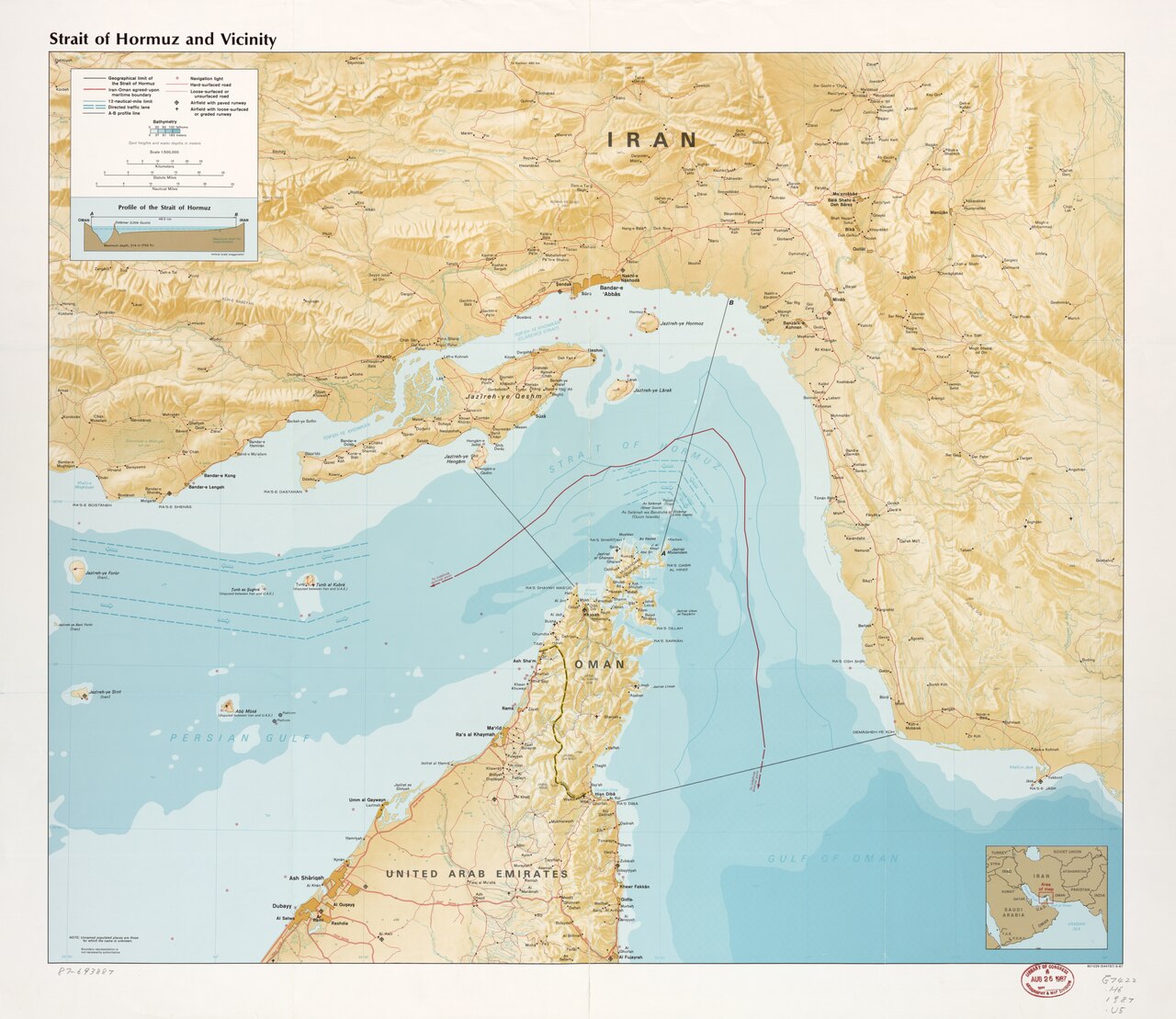
Traffic through the Strait of Hormuz—the critical chokepoint connecting the Persian Gulf to the Gulf of Oman through which one fifth of the world’s oil flows—remains far below pre-war levels. Iran still has a nuclear program, and appears no more willing to relinquish it entirely than it was on February 27. Almost every country in the Middle East has been directly impacted by the hostilities. The global economy is still reeling. U.S. hegemony and the world order it sustains have been undermined.
The divergence between goals and outcomes that characterized the 2026 war has defined much of U.S. and Israeli policy toward Iran for nearly five decades. The pattern is unmistakable by now. Since 1979, both U.S. and Israeli escalation—whether through sanctions, sabotage, or assassinations—has hardened rather than undermined Iran’s resolve and narrowed the space for compromise. Understanding how this cycle became so entrenched and why it has resisted the lessons of experience requires going back to the origins of the antagonism.
The Pahlavi Alliance and Its Collapse (1953–1979)
The first thing to understand about the recent war is that it’s part of a much longer conflict between Iran, on the one side, and Israel and the United States, on the other. Until 1979, those three countries were on friendlier terms. Their relationship was made possible by the rule of the Pahlavi monarchy in Iran, a highly oppressive, U.S.-backed, and Israeli-trained regime.
The foundations of that alliance were laid in August 1953, when the CIA and British intelligence orchestrated the overthrow of Iran’s democratically elected Prime Minister Mohammad Mosaddeq, whose government had nationalized Iran’s oil company, attempted to limit the power of King Mohammed Reza Shah Pahlavi, and threatened Western control over the country.
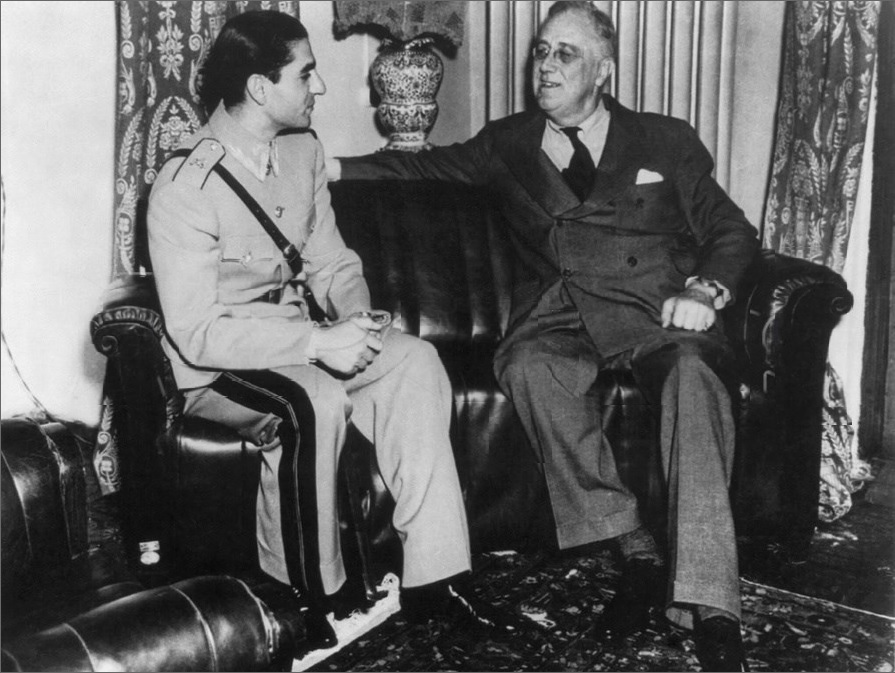
Once firmly back in power with the help of his foreign friends, the Shah maintained a firm, pro-Western stance and was rewarded for his loyalty with a steady supply of advanced weaponry and aid.
In this period, Israel likewise maintained close ties with Pahlavi Iran through Prime Minister David Ben-Gurion’s “periphery doctrine,” which sought alliances with non-Arab states on the margins of the Middle East. Beginning with Iran’s de facto recognition of Israel and an Iranian delegation visit in 1950, the two countries developed extensive cooperation in intelligence sharing, military procurement, agriculture, and energy.
Revolutionary Rupture and Regional War (1979–1988)
Popular as he was with Israeli and U.S. leaders, the Shah had only the narrowest base of support within Iran. He maintained power through repression—particularly through his notorious, Israeli- and U.S.-trained internal security force, SAVAK—and constructed a national political culture alien to most Iranians. Opposition to his rule grew as a result and culminated in February 1979 in a popular revolution that overthrew his regime and replaced it with the Islamic Republic that has ruled Iran since.
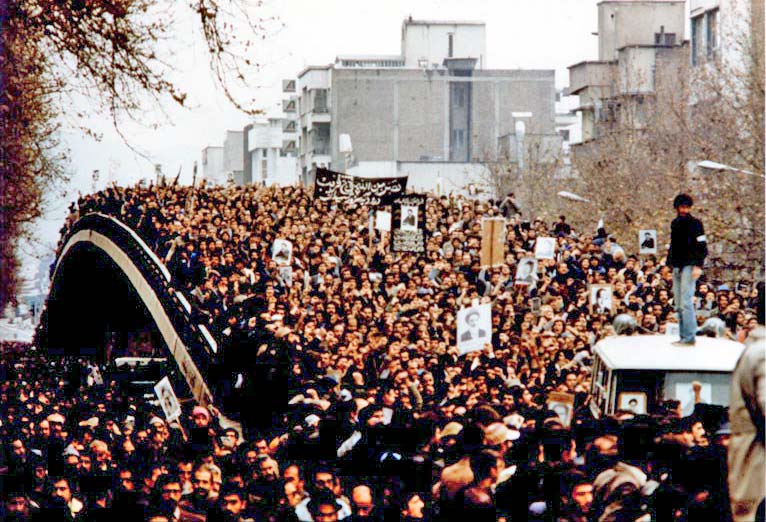
For both the United States and Israel, the Iranian revolution deprived them of one of their most important allies in the Middle East and gave rise to a regime that has refused to accede to the regional and international orders they dominate. A key objective for both countries in the subsequent decades became containing Iran’s power both domestically and abroad.
That became particularly apparent in November 1979, when a group of Iranian revolutionaries stormed the U.S. Embassy in Tehran and held most of the personnel they found inside hostage for over a year. In the United States, the Iran hostage crisis was a profound humiliation, indicating a patently unacceptable vulnerability that necessitated the reinvigoration and imposition of U.S. power.

One of the first opportunities to do so came during the Iran-Iraq War (1980–1988), which began when Iraqi forces invaded Iran in September 1980. Although the Iraqi president Saddam Hussein intended the invasion to be a swift and easy strike to check Iran’s revolutionary regime, it quickly transformed into a brutal and drawn-out conflict that lasted through the summer of 1988. The end of the war restored the status quo ante, without territorial adjustments or a clear winner, and with casualties in the hundreds of thousands.
During that conflict, the United States provided Iraq with extensive and multifaceted support, all while ignoring crimes against humanity committed by Saddam Hussein’s regime, which together helped prevent Iran from winning the war. Although Israel covertly pursued limited relations with the Islamic Republic during the conflict, very shortly thereafter it settled into the unwavering anti-Iran posture it has maintained to this day.
Sanctions and the Nuclear Threat (1990s–2014)
While the emergence and consolidation of the Islamic Republic in the 1980s provided the basis for U.S. and Israeli hostility toward Iran, the 1990s saw the gradual construction of the sanctions architecture that would define U.S. policy toward Iran for decades. Successive administrations under Bill Clinton and George W. Bush imposed escalating economic penalties targeting Iran’s banking system, energy sector, and military procurement networks.

Though economically damaging, these measures consistently failed to produce the outcomes their architects sought. Instead, they strengthened the Islamic Republic’s narrative of national resistance against imperial aggression and consolidated popular support behind its rule.
During this same period, Benjamin Netanyahu’s ascent to the Israeli premiership in 1996 fundamentally altered Israel’s strategic outlook. In addition to maintaining his Likud Party’s staunch opposition to ending Israel’s injustices toward the Palestinians and its state of war with its Arab neighbors, Netanyahu increasingly focused on the threat he insisted Iran presented not just to Israel but to Jews everywhere. For him, and thus increasingly for the Israeli security establishment, Iran’s positions and policies were construed as portending a second Holocaust that had to be prevented no matter the price.
For both Israel and the United States, the Iranian threat became all the more acute in August 2002, when Iranian opposition activists revealed that Tehran was operating clandestine uranium-enrichment facilities. The disclosures prompted an unprecedented series of investigations by the International Atomic Energy Agency (IAEA) and, eventually, a cascade of UN Security Council resolutions between 2006 and 2010 imposing escalating sanctions on Iran’s banking, trade, and energy sectors.
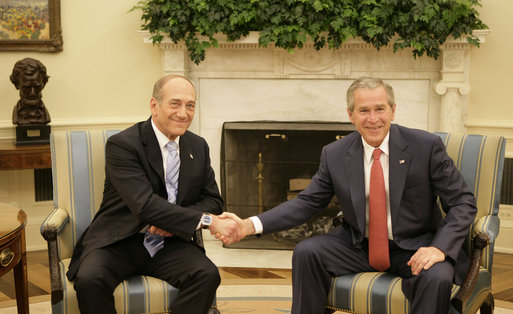
In parallel with these international efforts, both the United States and Israel used almost every tool at their disposal to contain and weaken Iran. They rallied the international community to their side; they isolated Iran and deprived it of allies; they imposed every sanction they could; they launched covert operations against its military and nuclear infrastructure. The one thing neither country did was wage full-scale war.
That is, until U.S. President Donald Trump and Israeli Prime Minister Benjamin Netanyahu went where their predecessors dared not.
The Nuclear Deal and Its Destruction (2015–2024)
The road to war began with Trump’s campaign for president, launched in June 2015. Both as a candidate and upon assuming office, Trump defined himself as embodying and serving the anti-establishment, particularly the most virulent anti-Obama constituencies.
His platform and agenda were to undo everything Obama had done, regardless of whether this undoing generated more harm than good. Trump’s stance on the nuclear deal the United States and its international partners concluded with Iran in 2015 epitomizes that perverseness.

The deal, known as the Joint Comprehensive Plan of Action, or JCPOA, required years of intensive negotiations and an immense amount of trust-building to overcome the reservoir of hostility dividing the parties.
Under the terms of the accord, which went into effect in January 2026, “Iran reaffirm[ed] that under no circumstances [would it] ever seek, develop or acquire any nuclear weapons.” In return, the deal affirmed Iran’s right under the Nuclear Non-Proliferation Treaty “to move forward with an exclusively peaceful, indigenous nuclear programme,” albeit one that would be subject to specified limitations and intensive monitoring. The agreement therefore “verifiably blocked Iran’s pathways to nuclear weapons and provided incentives for Tehran to maintain an exclusively peaceful nuclear program,” according to the Arms Control Association.
As incredible a breakthrough as the conclusion of the JCPOA was, even more significant was the fact that it was implemented successfully for over two years, with all the reports from various agencies overseeing it consistently confirming that Iran was complying with its terms.
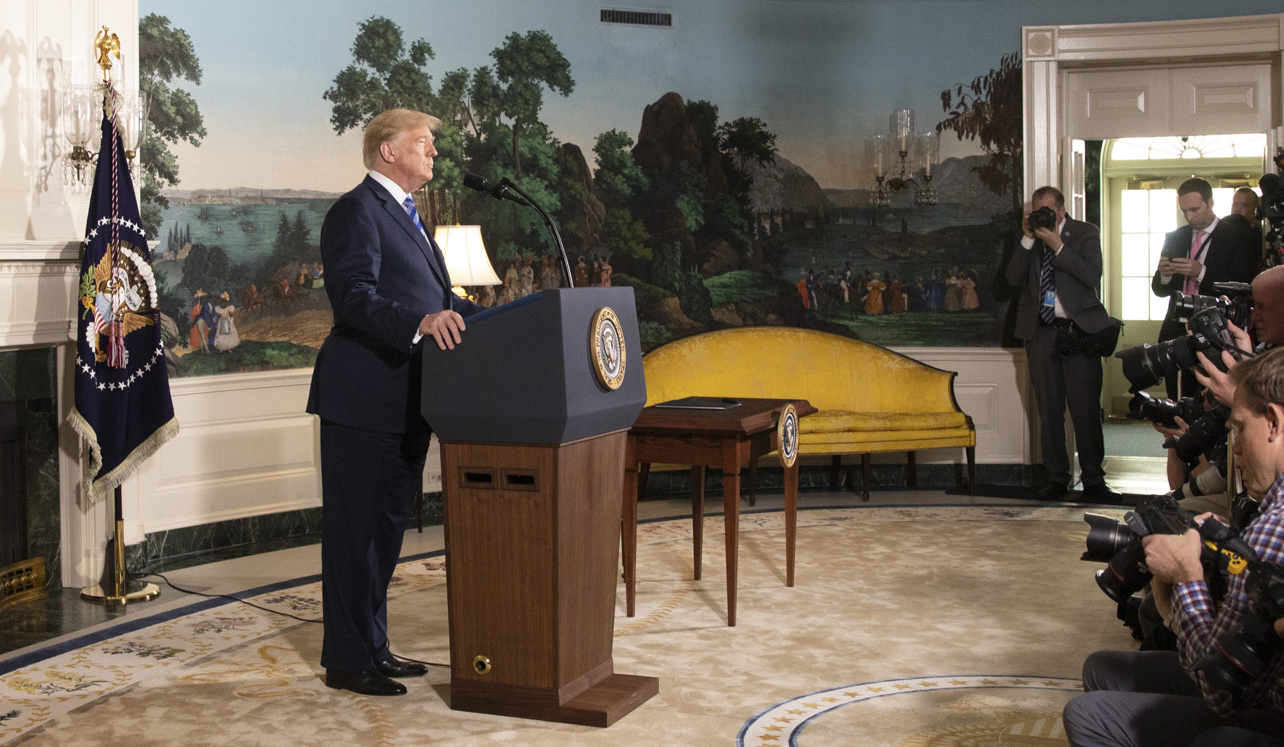
For Trump, however, the success of the deal was no reason to preserve it, and during the campaign he called it a “disaster” and “the worst deal ever negotiated.” Although upon taking office he initially let the agreement stand, in May 2018 Trump announced that he was withdrawing the United States from the accord, a move that in hindsight appears to be one of the fateful steps paving the way for the June 2025 and February 2026 attacks, and indeed for any attack to come.
The decision likewise exemplifies the base, self-serving motivations that animate Trump’s actions, as well as the sway Netanyahu was able to develop over his thinking. In the months leading up to the announcement, the two leaders “read[ied a] united assault” against the JCPOA, “bound by their mutual loathing of [President] Obama’s foreign policy deal, even as it set them apart from other world leaders.” Netanyahu delivered the coup de grace that April in what has become known as his “Iran lied” exhibition.
Consisting of a “strange slideshow” and amounting to some “dubious show-and-tell,” it presented well-established information as brand new and game-changing and was widely criticized as a result. Nonetheless, as a Time article put it, the presentation “convinced the only person who matter[ed],” Trump, and allowed him to more easily tune out the chorus of counsel coming from every corner telling him that dumping the deal would be “disastrous” and “the height of folly.”
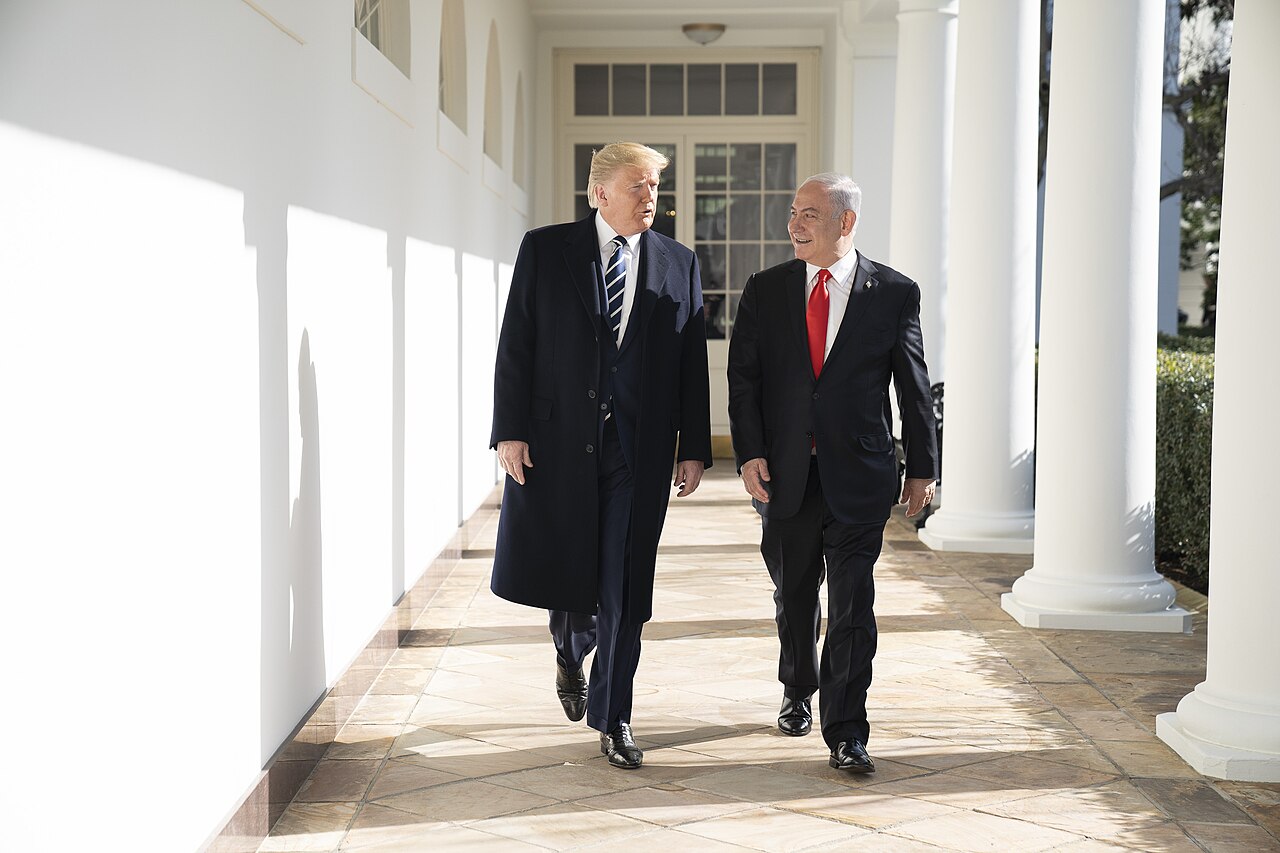
Negotiations over Iran’s nuclear program were pursued intermittently in the subsequent years by both Presidents Biden and Trump. Indeed, the fact that Trump has not been unequivocally opposed to pursuing a diplomatic solution to the nuclear standoff with Iran demonstrates how his positions change when Netanyahu’s influence over him abates, or forces his hand. Unlike Trump, Netanyahu has been utterly steadfast in his loathing of the Iranian regime and unflinching in his opposition to even the slightest of conciliatory gestures.
From Covert Conflict to Open War (2025–2026)
Netanyahu made that position perfectly clear when in June 2025 he set about unraveling ongoing nuclear negotiations between Iran and the Trump administration by initiating a war with Iran. Thus, for all that the 2026 conflict has wrought, it is important to recall that the critical shift from “almost” to actual war occurred not in the winter of 2026 but in the summer of 2025.
Until then, and throughout the preceding 45 years of hostility, Iran, Israel, and the United States had always stopped short of open, all-out war. But then, in the early morning hours of June 13 (local time), 2025, Israel shattered that precedent with an unprovoked attack on Iranian nuclear and military installations, commencing 12 days of intense fighting that ended following a U.S. strike on Iran on June 22 and a tenuous ceasefire on June 24.

The timing and outcomes of that assault epitomize Netanyahu’s approach to Iran, and they foretold exactly where we would find ourselves following its 2026 encore. Although he is in good company in maintaining that Iran’s development of a nuclear weapon would represent a threat of some kind, the way Netanyahu has dealt with that possibility has only made its materialization more likely.
This outcome derives in no small part from the fact that he is driven not by the goal of making Israelis or Jews (or anyone else) safer, but by his determination to stay in power and out of jail by convincing them both that they face annihilation unless they allow him to lead them through an endless series of supposedly existential wars. Doing so has required that he maintain his obstinate refusal to accept facts on the ground, committed as he is to ensnaring the world in a dystopia of his own making that serves no one more than himself.
Thus, just as, according to Netanyahu, what we must see in an Iranian nuclear weapon is the next Holocaust, what we must see in these wars is a solemn campaign “to neutralize the existential and imminent threat posed by the Iranian regime’s nuclear weapons program.”
While the hyperbole of the former can at least hypothetically be debated, the falsity of the latter cannot. These wars could not have been launched to neutralize an existential and imminent threat posed by Iran’s nuclear weapons program because there is no known Iranian nuclear weapons program. Both the U.S. intelligence community and the International Atomic Energy Agency have confirmed as much, with prevailing assessments continuing to conclude that Iran halted its weapons program in late 2003 and has not resumed it since.
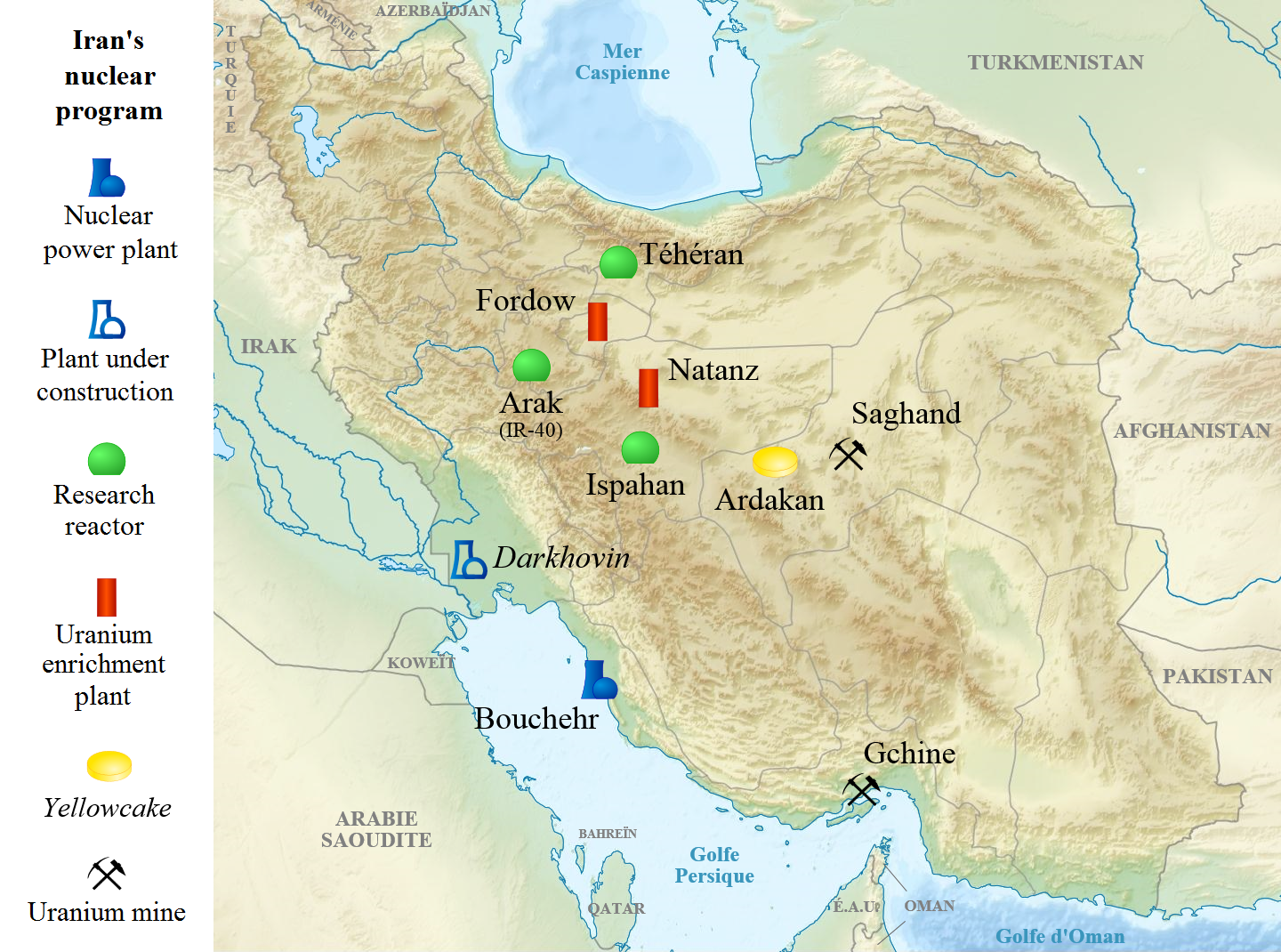
Therefore, what the Israeli and U.S. strikes targeted was a nuclear program that at this time is not known to include a weapons component, but that did in the past and could in the future, and their goal was preventing that possibility by eliminating it entirely.
In the course of the 2025 conflict, Israel struck numerous Iranian nuclear sites, and at its end the United States joined in by using massive ordnance penetrators, also known as bunker-busting bombs, to strike three of the most important. According to the Center for Strategic and International Studies, the strikes “inflicted significant damage on Iran’s nuclear program by destroying key infrastructure and human capital.”
They did not, however, eliminate the program. Some of its physical infrastructure remained intact, some was being rebuilt, and the status of Iran’s stockpile of highly enriched uranium remains unknown. In an effort to counter the evidence of mission failure, the Trump administration issued a press release on June 25, 2025, entitled “Iran’s Nuclear Facilities Have Been Obliterated – and Suggestions Otherwise are Fake News.”
Despite the appeal such unequivocal statements of success may have had at the time, in February 2026 they made justifying the renewal of hostilities based on a supposed need to re-obliterate the program more than a tad awkward.
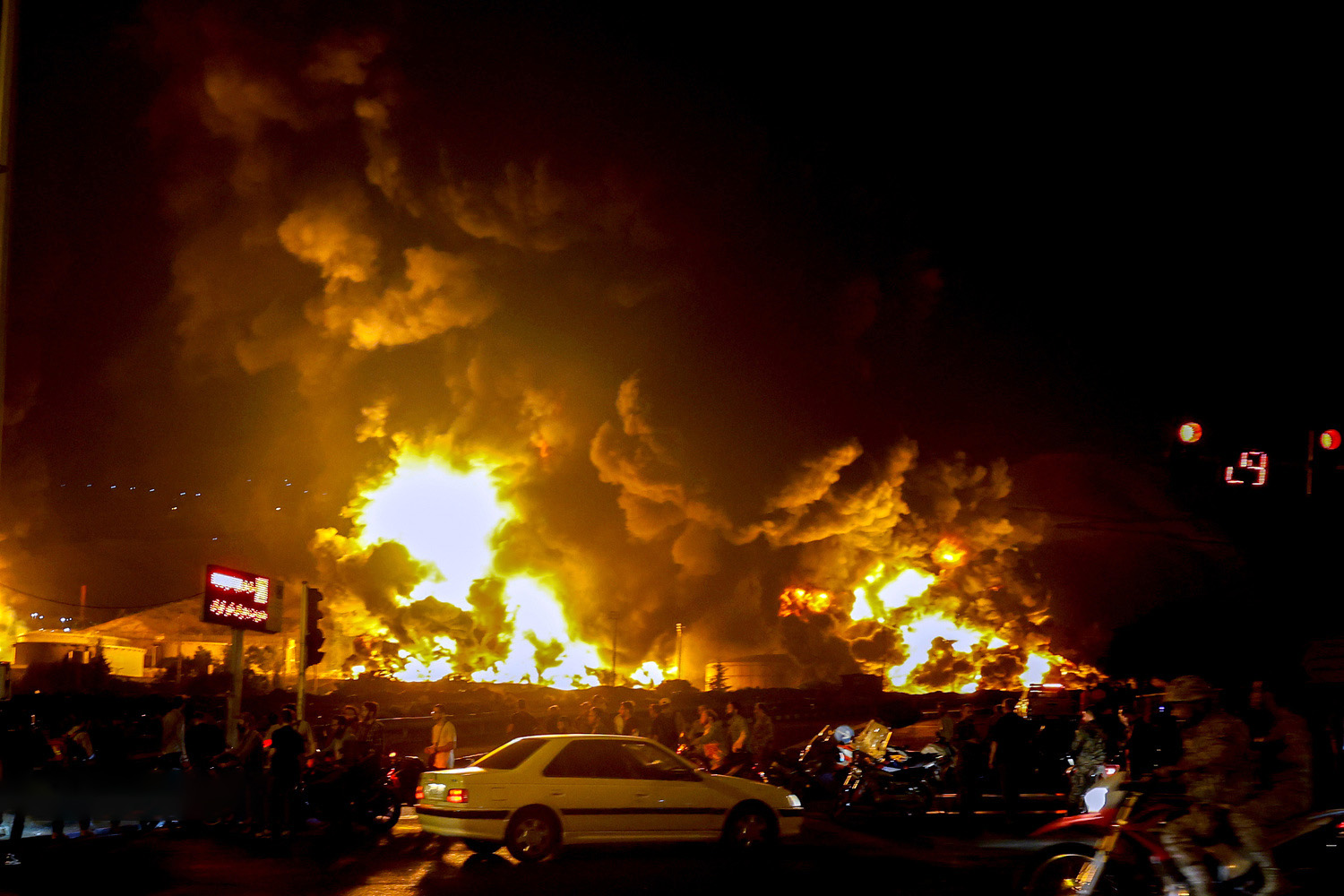
Ultimately, the U.S. and Israeli ability to achieve the stated goal of their campaign was always as illusory as the threat against which it was waged. Neither Iran’s nuclear capabilities nor the possibility that it will pursue a nuclear weapon can simply be bombed out of existence. What the war did effectively blow up were the diplomatic and institutional means for constraining Iran’s nuclear program, which have always been the only viable paths for achieving what bombing never could.
In an interview with PBS’s Frontline at the end of September, the head of Iran’s Supreme National Security Council, Ali Larijani, stated that the U.S. and Israeli strikes over the summer had made negotiations a “farce.” The strikes also undermined the international rule of law more broadly, as “there was no legal basis for … military action,” with the fact that the attack targeted Iran’s “safeguarded nuclear facilities that are part of [its] declared, peaceful program” adding to its illegitimacy and illegality.
Nevertheless, as journalist Kourosh Ziabari wrote in New Lines magazine, the strikes were met with a “silent consensus among NATO and European leaders that the violation of Iran’s sovereignty and the loss of civilian life were secondary to concerns around hypothetical nuclear proliferation.”
For the United States, such purported concerns, like those for Iranians’ human rights, constitute a foreign policy narrative that is as specious as the one deployed by Netanyahu, which serves in this case to mask U.S. global hegemony and to restrict Iran’s freedom of action.
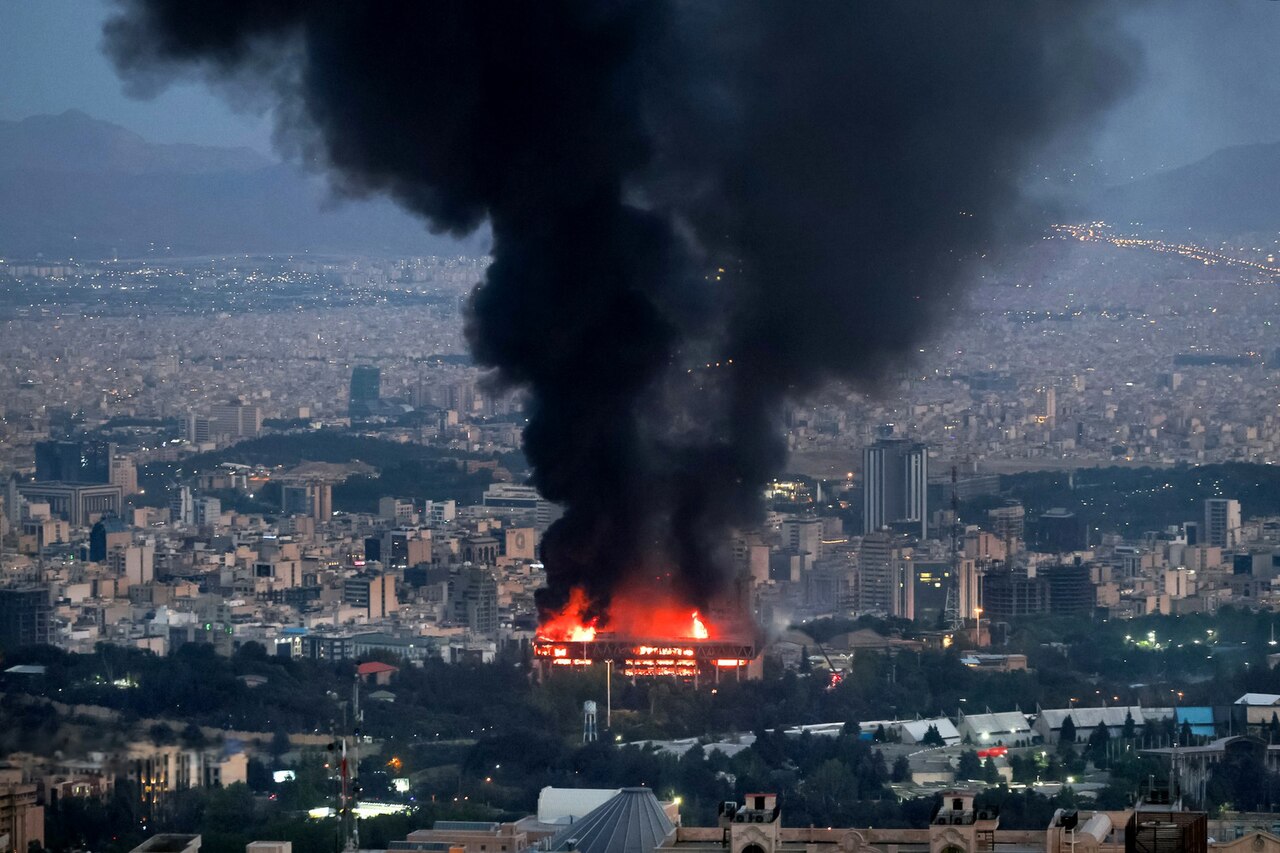
These circumstances, regretfully but not surprisingly, have shattered Iran’s trust in the nonproliferation regime and international law, which proved unable to guarantee Iran’s security and safeguard its peaceful nuclear program.
Iran returned to the negotiating table in February 2026 despite its reservations and while facing renewed threats of a U.S. attack and a buildup of U.S. military force in the Middle East. Those talks continued through three rounds, with Iran reportedly making proposals to accept limits on its nuclear activities exceeding those to which it previously had agreed, understanding the importance of “allowing [President] Trump to declare victory.”
Following the third session on February 26, both Iran’s foreign minister and the Omani mediator expressed optimism, with the former stating that “‘[m]ore than ever there is seriousness on both sides to reach a deal’” and the latter describing “the negotiators’ unprecedented openness to new and creative ideas and solutions, preparing the supportive conditions for progress and reaching a fair agreement with sustainable guarantees.” A “senior U.S. official” also reported that “the talks were ‘positive,’” and another meeting was scheduled for the following week.
Yet, just as they had been in June, the negotiations were terminated abruptly when the U.S.-Israeli assault on Iran began. And, just as had been the case with the 2018 U.S. withdrawal from the JCPOA, Trump’s decision to take the United States to war emanated from a presentation by Netanyahu, this time delivered directly to the president in the White House Situation Room, designed to produce that very outcome.

But this time the aims and scope have expanded considerably. While the immediate objective of the June attacks was to degrade Iran’s nuclear and military capabilities, the aim of the February assault was to bring down the regime as a whole. The latter, indeed, has been the driving force behind U.S., and to a slightly lesser extent Israeli, foreign policy since 1979.
Although the particular way that aim has been justified has varied, one of the bases on which it has always rested is human rights. It is undoubtedly true, as U.S. and Israeli leaders frequently tell us, that the Islamic Republic is the enemy of the Iranian people. It is repressive, ruthless, and entirely unsympathetic to popular will.
Ascending to rule by hijacking the mass movement that had toppled the monarchy and basing its legitimacy on a heterodox interpretation of Shi’i Islamic history and doctrine, the regime has clung to power through brute force and an astounding willingness to confine and kill its own people.
The question, then, is not whether the Islamic Republic wantonly violates the human rights of its people. It does. The question is whether those circumstances can be improved for the better through the kind of military action we witnessed last summer and that began again this February and that has cost thousands of innocent people their lives. And the answer seems to be that it cannot. Iran’s present is as dark as it’s ever been, and its future appears no brighter.
Thus, events of the past year simply provide even more evidence of what should already be abundantly apparent: Foreign-imposed regime change and the aggressive use of military force are immoral, illegal, ineffective, and counter-productive. Neither the Islamic Republic nor Iran’s nuclear program can be bombed into submission or nonexistence. Killing Iranians is not saving Iranians. And killing Iranians is not saving Americans or Israelis.

But saving people, evidently, is not really the point, nor has it ever been. While Trump and Netanyahu have gone much farther and done much more damage than have their predecessors, their actions are overall in line with decades of failed policy.
For too long, both the United States and Israel have mistaken the projection of strength for a strategy and have clung to the notion that coercive force can achieve more than diplomacy, even as the record demonstrates the opposite.
The lesson of this history is not that Iran poses no challenges or that its regime deserves sympathy. It is that the tools the United States and Israel have repeatedly utilized to address those challenges—coups, sanctions, sabotage, assassinations, and now full-scale war—have consistently produced outcomes worse than the problems they were meant to solve.
Every escalation has closed off previously available diplomatic pathways while legitimizing more aggressive interventions in the next cycle. Unless this pattern is reversed, the next war is not a possibility but a certainty—and it, too, will accomplish nothing but the destruction it was never truly meant to prevent.
Special Issue on “The Israel-Iran War,” Middle East Policy (June 2025)
James G. Blight, et. al., Becoming Enemies: U.S.-Iran Relations and the Iran-Iraq War, 1979-1988 (Lanham, MD: Rowman & Littlefield Publishers, Inc., 2012)
Firoozeh Kashani-Sabet, Heroes to Hostages: America and Iran, 1800-1988 (Cambridge University Press, 2023)
Trita Parsi, Treacherous Alliance: The Secret Dealings of Israel, Iran, and the United States (Yale University Press, 2008)
Anshel Pfeffer, Bibi: The Turbulent Life and Times of Benjamin Netanyahu (Basic Books, 2018)
Annie Tracy Samuel, The Unfinished History of the Iran-Iraq War: Faith, Firepower, and Iran’s Revolutionary Guards (Cambridge University Press, 2022)


