
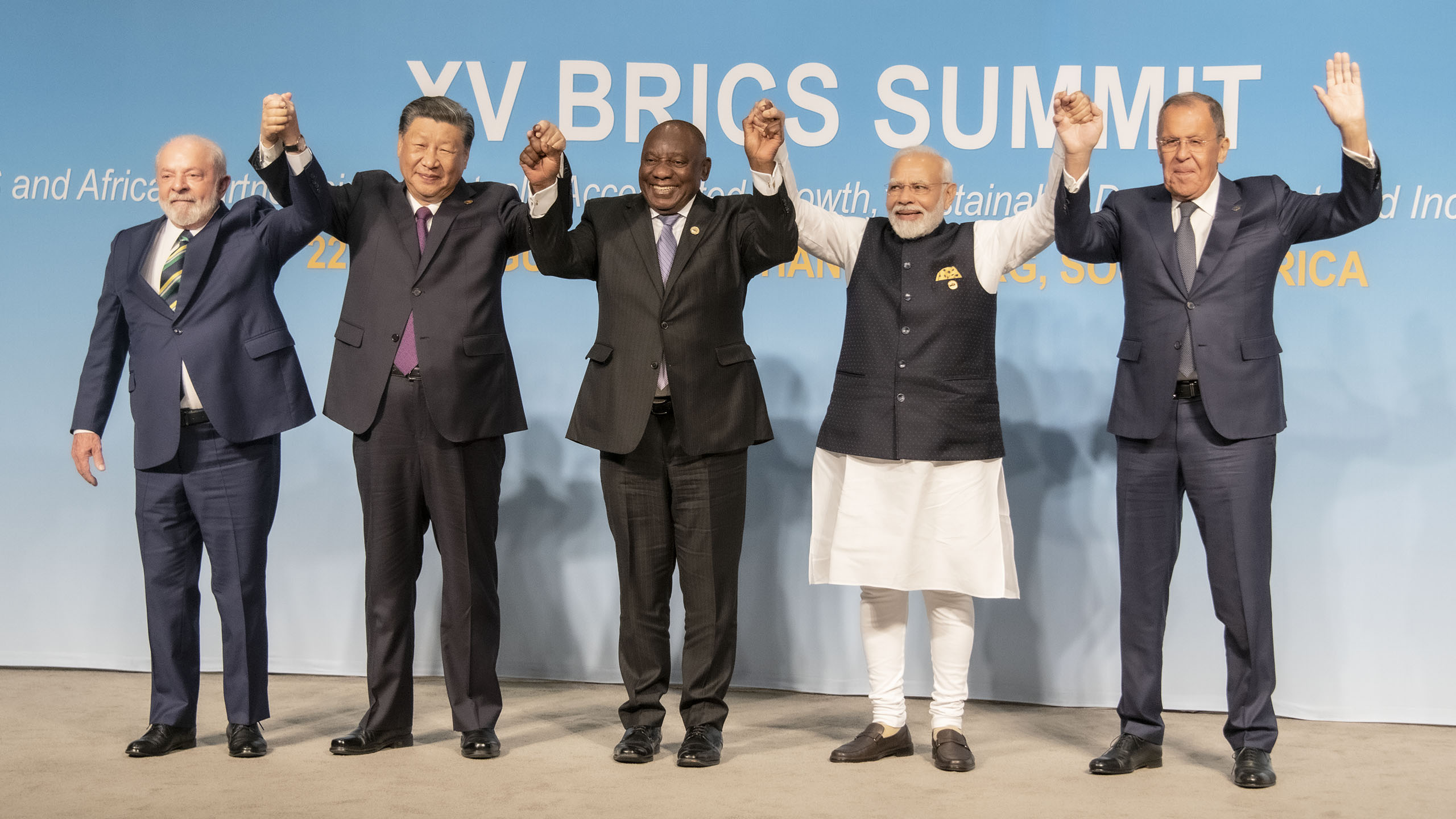
Representatives of BRICS Nations Meeting in 2023
As Vladimir Putin's full-scale invasion of Ukraine bogs down into a geopolitical quagmire, many have wondered just exactly what drives Russian foreign policy. In this essay, Michael Corbin argues that to understand Russia's relationship with the rest of the world, one must understand the work of academic and diplomat Yevgeny Maksimovich Primakov. As Corbin details, the Primakov Doctrine predicted how Russia would establish its place in a post-Cold War world and has proven something of script for Kremlin leaders.
During the autumn of 2024, Russia hosted the annual summit for BRICS, an international economic and political organization named after five of its members (Brazil, Russia, India, China, and South Africa). Russian President Vladimir Putin, assuming the rotating presidency of BRICS for that year, welcomed leaders from 24 countries and delegations from 32 nations. He touted the gathering as the largest foreign policy event ever held in Russia.
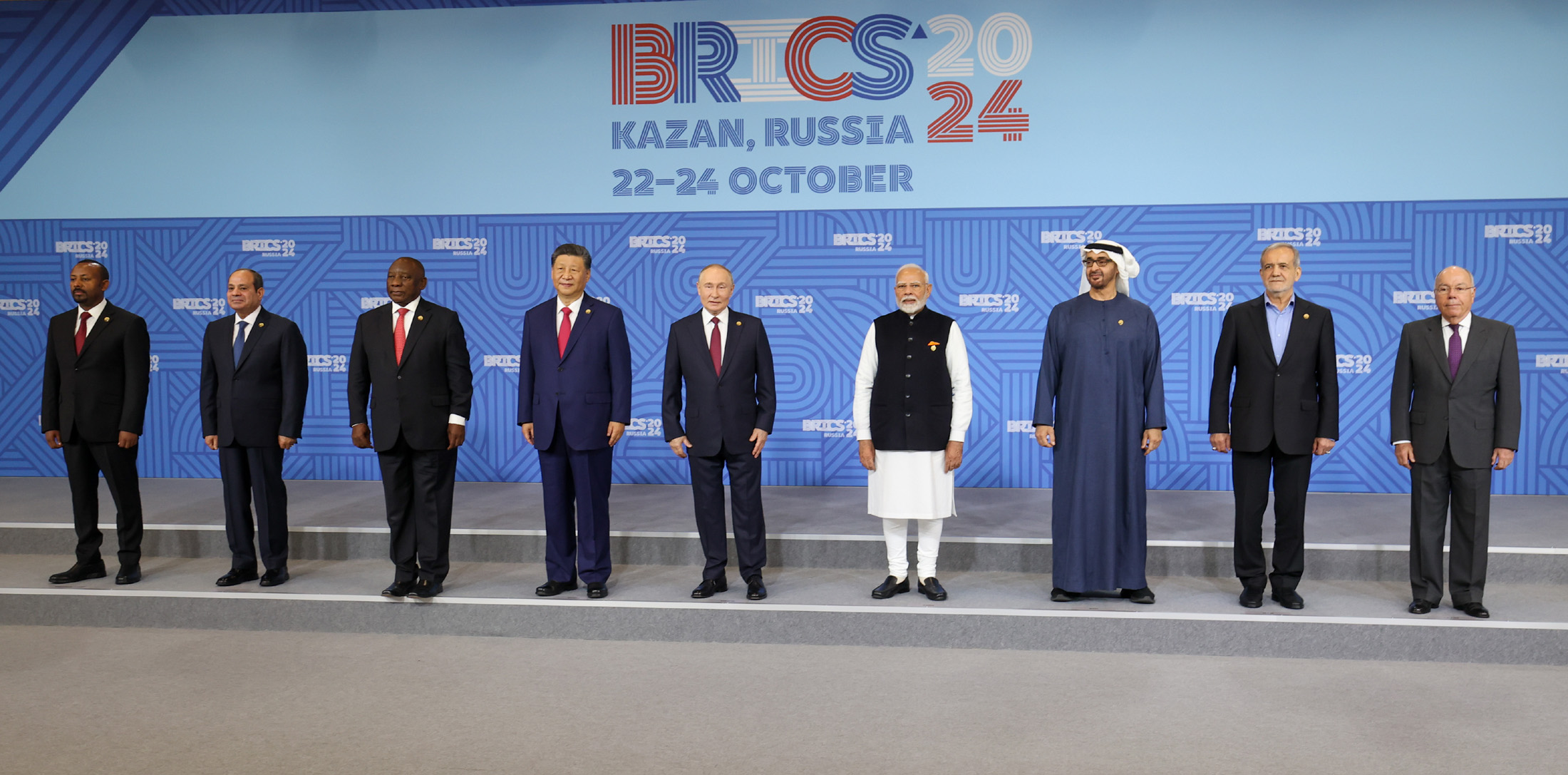
The summit solidified Russia’s position as the principal driver of BRICS and the most ardent advocate of a new multipolar architecture, one that starkly contrasts with the United States’ “rules-based” financial, economic, and political order.
In the immediate post-Soviet era, Russian leaders felt rebuffed by the United States and Europe. They concluded that the best way to balance their interests against an increasingly unpredictable, expansionist, and belligerent United States was to build an alliance with the two largest economic powers in the East: China and India.
Russia began efforts to crystalize this view after the United States announced its support for NATO expansion in 2008. Stronger initiatives were undertaken with China and India, as well as Brazil and South Africa, after hostilities began in Ukraine in 2014.
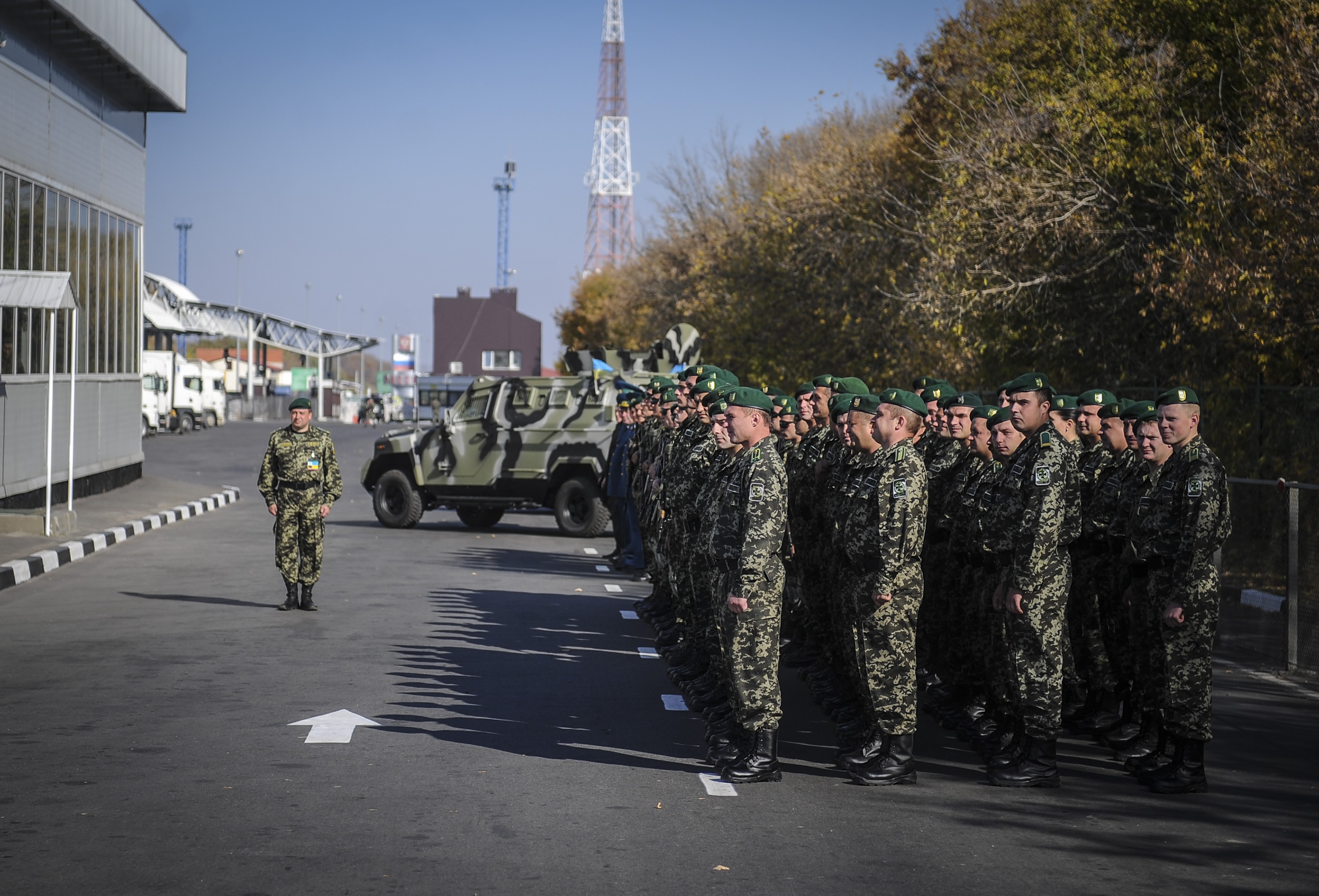
Finally, after Russia’s full-scale invasion of Ukraine in 2022, BRICS became an indispensable tool of Russian foreign policy, allowing Russia to evade sanctions while offering a credible option for a global division along multipolar lines.
Although many countries, specifically those comprising the Global South, may not have supported the Ukraine war, they had become embittered by the “rules-based order” that subjected them to continued sanctions and even military threats if they expressed disagreement with the foreign policy aims of the United States.
And while the United States and the West had previously ignored BRICS, President Donald Trump took notice.
In late January 2025, he threatened BRICS member states with 100% tariffs to dissuade them from continued efforts to replace the U.S. dollar as the global reserve currency. A month later, speaking just hours before a scheduled meeting with Indian Prime Minister Narendra Modi, Trump dismissed the economic bloc’s relevance, declaring, “BRICS is dead.”
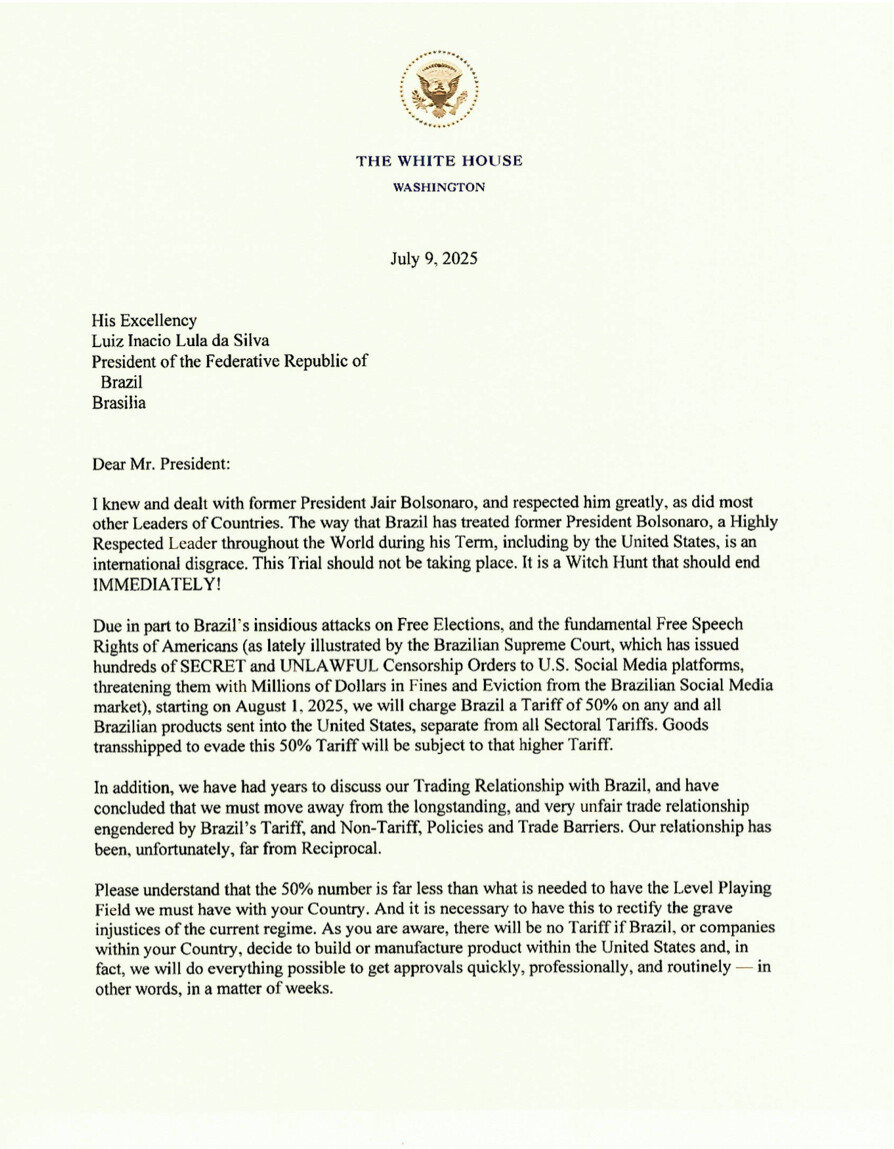
Although the President’s statement was clearly premature, it did frame the agenda for much of the administration’s subsequent foreign policy ventures beginning in 2025.
These ventures included launching a war against Iran, “talks” to end the Russian war on Ukraine, the alleged structuring of an agreement between Armenia and Azerbaijan for a trade corridor, the abduction of Venezuelan leader Nicolas Maduro, and continued rhetoric about annexing Cuba, Greenland, and other sovereign territories in the Western Hemisphere.
There is no doubt that these decisions have hampered Russia’s push for greater economic and political multipolarity and thwarted its desire to undermine U.S. global hegemony.
Not surprisingly, Russia and China form the backbone of BRICS and the multipolar order it represents. However, the Russian idea of an alliance with China and India preceded the actual formation and strengthening of BRICS by about two decades.
It was Yevgeny Maksimovich Primakov who formulated the foundations of these multipolar ideas in the 1990s.
Primakov’s Preconditions for a New Global Order
Primakov was a Russian academic, politician, and diplomat. From 1970 to 1989, he occupied leadership roles at the USSR Academy of Science’s Institute of World Economy and International Relations and its Institute of Oriental Studies.
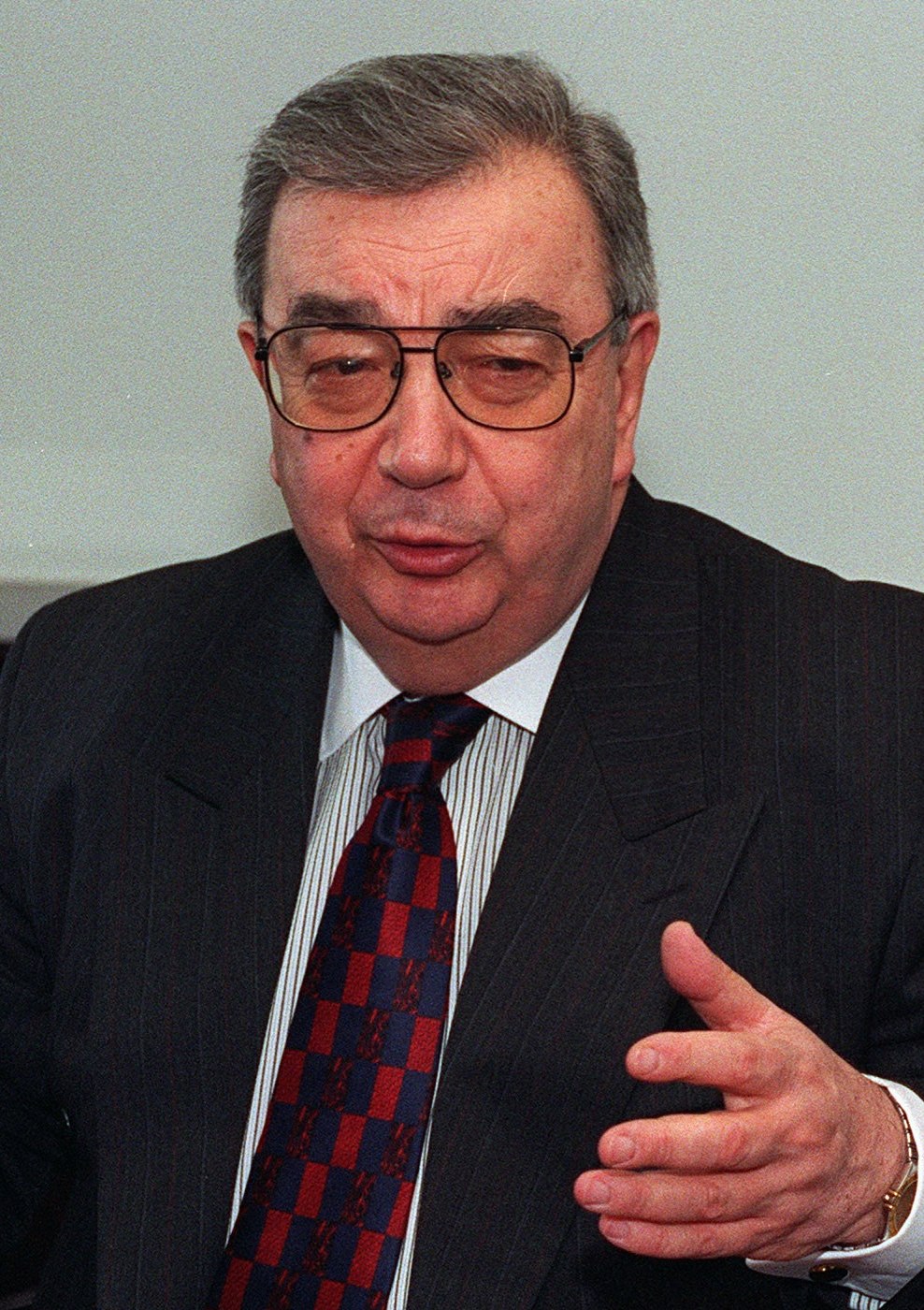
Primakov became involved in politics in 1989 as the Chairman of the Soviet of the Union. From 1990 until 1991 he was a member of Soviet leader Mikhail Gorbachev’s Presidential Council. He served as Gorbachev’s special envoy to Iraq in the run-up to the Persian Gulf War, engaging in talks with President Saddam Hussein.
During his extensive career, he also served as Foreign Minister, Speaker of the Supreme Soviet of the Soviet Union, and chief of the intelligence service. Primakov was an Arabist scholar and a member of the Presidium of the Russian Academy of Sciences. Most prominently, he served as Prime Minister of Russia under Boris Yeltsin from 1998 to 1999.
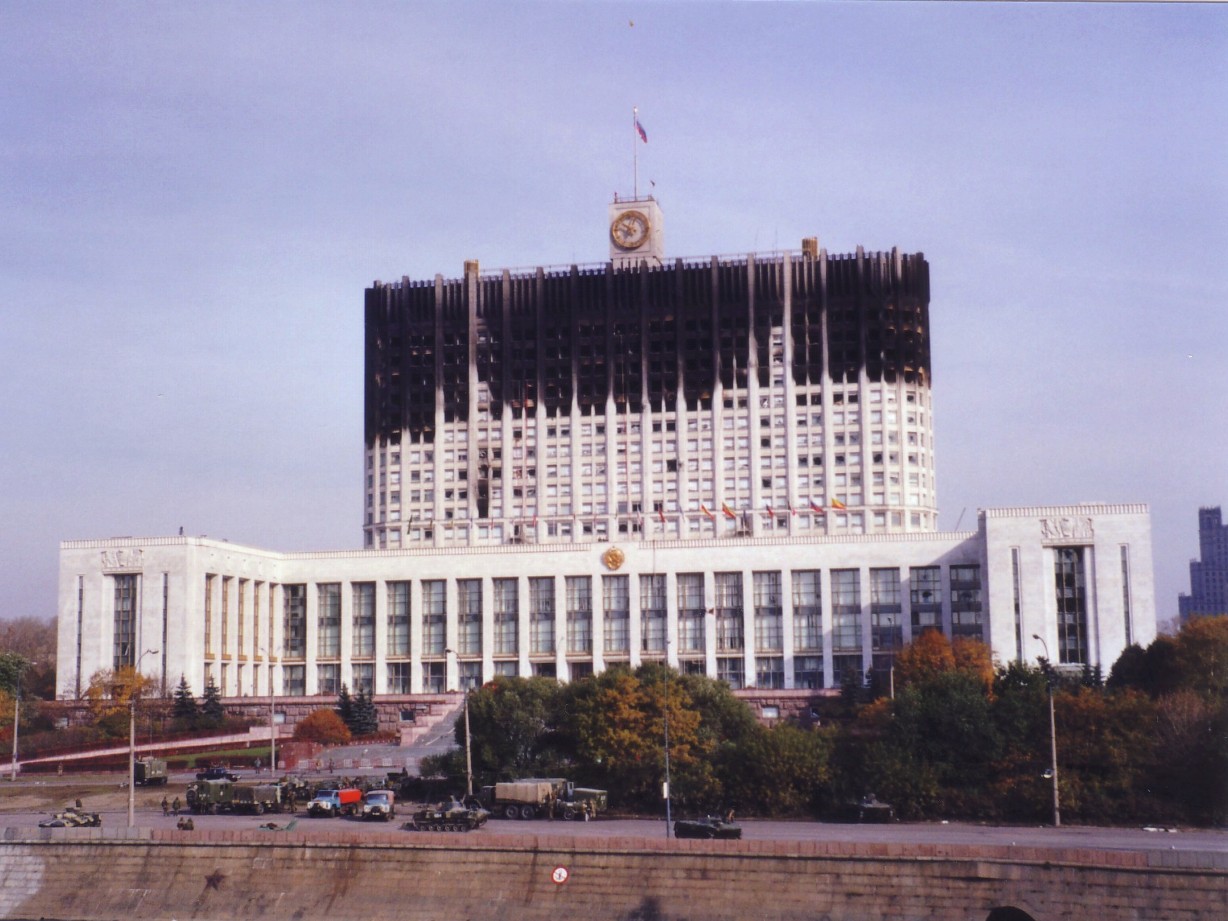
During the 1993 constitutional crisis in Russia, when Yeltsin dissolved the Parliament and introduced a Presidential state, Primakov served as head of the Foreign Intelligence Service, though he did not participate directly in the events. While supporting the idea of a strong state, Primakov also considered it important to strengthen the country’s new political institutions. For example, he opposed Yeltsin’s decision to use force against the Parliament.
Primakov was known for his pragmatism and a non-ideological emphasis on the balance of power as the source of defending national interests. He preferred not to be viewed as neo-Soviet in his outlook and rejected the idea of reviving the Soviet system. However, he considered it essential to restore the institutions linking the state and society.
Most importantly, he advocated the idea of a multipolar world. Primakov featured this underlying concept of multipolarity in Russia’s Foreign Policy Concept document of 1996.
Primakov also believed Russia had a significant role to play in the Eurasian “near abroad” (those newly independent states that had been a part of the Soviet Union) and Asia as a whole. In this sense he echoed the Eurasianist thought of the late 1800s in Russia.
For example, Fyodor Dostoyevsky once wrote: “Russians are as much Asiatics as Europeans. … It is time to turn away from ungrateful Europe. Our future is in Asia. … [I]t will be better for us to seek alliances with the Asiatics.”

Primakov was at the center of a group of foreign policy elites who imagined a new global order based on multipolar security arrangements. According to Primakov, there were several preconditions underpinning any new global order. He spelled them out in a 1996 article in International Life (Mezhdunarodnaya zhizn’) entitled “International Relations on the Eve of the 21st Century: Problems and Prospects.”
The first precondition was that “no new lines of division must emerge in place of the old confrontation.”
This, of course, referred to the negative attitudes among Russian political elites toward NATO. At the time, Russia was not strong enough politically or militarily to prevent NATO expansion even though Russian leaders suffered heartburn over the Western embrace of previous Warsaw Pact countries.
Nevertheless, Primakov wrote that “any advance by the NATO military infrastructure towards Russian territory will complicate our geopolitical situation, not least in the military sphere.” Ever the prescient diplomat, Primakov underlined an important issue that has been ignored for the past 30 years: the lack of a diplomatic approach for responding to NATO expansion.

Undoubtedly, Primakov would have supported a more robust diplomatic engagement between Russia and the West to address this and other issues peacefully. He wrote that Russia did not “claim the right to veto any country’s accession to NATO,” and there is little evidence that he would have ever invaded Ukraine as Putin did.
However, Primakov understood this to be a military “line of division” for much of the Russian elite. As such, he accurately predicted that failure by Russia and the West to diplomatically achieve a favorable agreement would lead to considerable geopolitical acrimony. More tragically, this failure also led to the loss of hundreds of thousands, if not millions, of Ukrainian and Russian lives over the past decade.
As a component of this first precondition, Primakov also made clear that “sanctions must not be used either as a mechanism to punish peoples, or as an instrument to depose governments.”
He saw a clear line between the use of sanctions to change a troublesome regime’s behavior through economic encouragement versus using them inhumanely to destroy and demoralize a nation’s people. The latter approach, according to Primakov, leads to a political/economic line of “destructive” policy, counterproductive to the conduct of international affairs.
Primakov’s second precondition for the new global order was rejection of a world divided into losers and winners, or to use his language, “leaders” and “followers.”
This precondition referred to his concept of multipolarity, an idea that stood in contrast to the unipolarity being trumpeted in the United States, which espoused a liberal democratic world resting upon the rules-based order established by the post-World War II western democracies.

The third precondition called for the “democratization of international economic relations” and an end to the misuse of economic means to achieve political results.
He used this precondition to criticize the embargo on Cuba and the Jackson-Vanik amendment towards Russia, given its classification as a “non-market” country.
It is clear that Primakov held fairness and “democracy” in global economic relations as an essential prerequisite of any new global order and a crucial tenet of his ideas concerning multipolarity.
The fourth precondition simply expressed the necessity of resolving conflicts diplomatically as an important underpinning of a stable global order.
At the time, it would have been important for the weakened Russian Federation of the 1990s to be at the table for settling conflicts, furthering weapons reduction, solving humanitarian issues, and helping countries develop economically.
Primakov’s Triangle
Primakov was troubled by the growing unipolarity of the 1990s after the collapse of the Soviet Union. His four preconditions would come to form the core principles of his “strategic triangle” concept, which he submitted as a counterbalance to the western alliance. They also articulated the essence of what we today call multipolarity.
The Primakov triangle was a simple idea. Primakov asserted that a Russia-India-China (RIC) alliance would provide protection for independent-minded countries not in alliance with the West. Having observed the economic crisis in Russia during the 1990s, he believed a rare opportunity existed to converge economic interests with India and China.

Given Primakov’s background as a journalist, Orientalist, and head of Russian intelligence, he sympathized with the view that European colonialism and imperial dominance had a severely negative impact on China and India’s development, particularly in the 19th and early 20th centuries. Furthermore, he predicted the inevitable economic collapse of Russia in the 1990s and likened its degradation to the experience of those countries.
As it turned out, Primakov was ahead of his time in bringing the three countries together.
Neither India nor China accepted Primakov’s concept of multipolarity, though China was somewhat ahead of India in understanding the benefits of improved relations among the three nations.
In 1997, China and Russia released a document entitled the Joint Declaration on a Multipolar World and the Establishment of a New International Order. However, there were no serious engagements or concrete results for nearly a decade.
In 1998, Primakov traveled to India and advocated to create the RIC triangle. The two countries signed a new strategic partnership treaty, and the sides agreed to establish annual summit meetings.
That same year, Russia introduced the conceptual framework of the trilateral dialogue of the RIC. In 2002, the format was institutionalized with annual recurring meetings among the Russian, Indian, and Chinese foreign ministers.
In the first decade of the 2000s, the RIC triangle enthusiastically discussed issues of counterterrorism, energy security, and UN Security Council reform.
Nonetheless, internal tensions persisted due to the absence of mutual trust and historic rivalries between India and China. India was still trapped in the Washington Consensus and could not see a bridge beyond its deep distrust and rivalry with China. RIC continued until 2009 when it was renamed BRIC.
Over these years, the statist multilateral course Primakov initiated was not successful in Russia. Russia in the late 1990s was not strong enough economically or politically to commit to such a policy. Additionally, Russian business elites opposed the strategy, which also had little appeal to isolationist-minded nationalists.
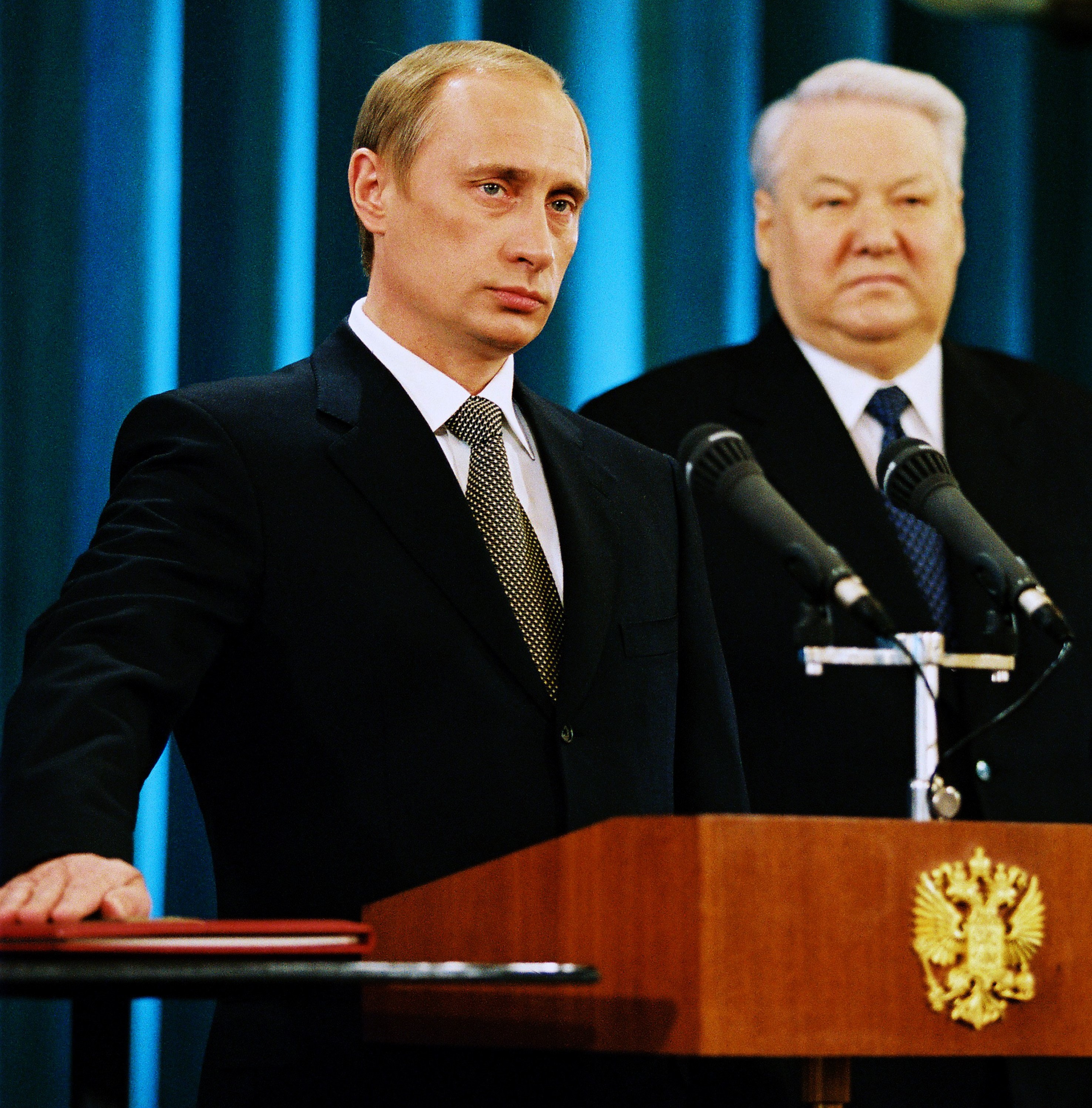
As a result, in 1999 Yeltsin replaced Primakov with Vladimir Putin, who had a different constituency. Putin’s support came from pro-Western business groups and the security services, groups previously neglected by Primakov.
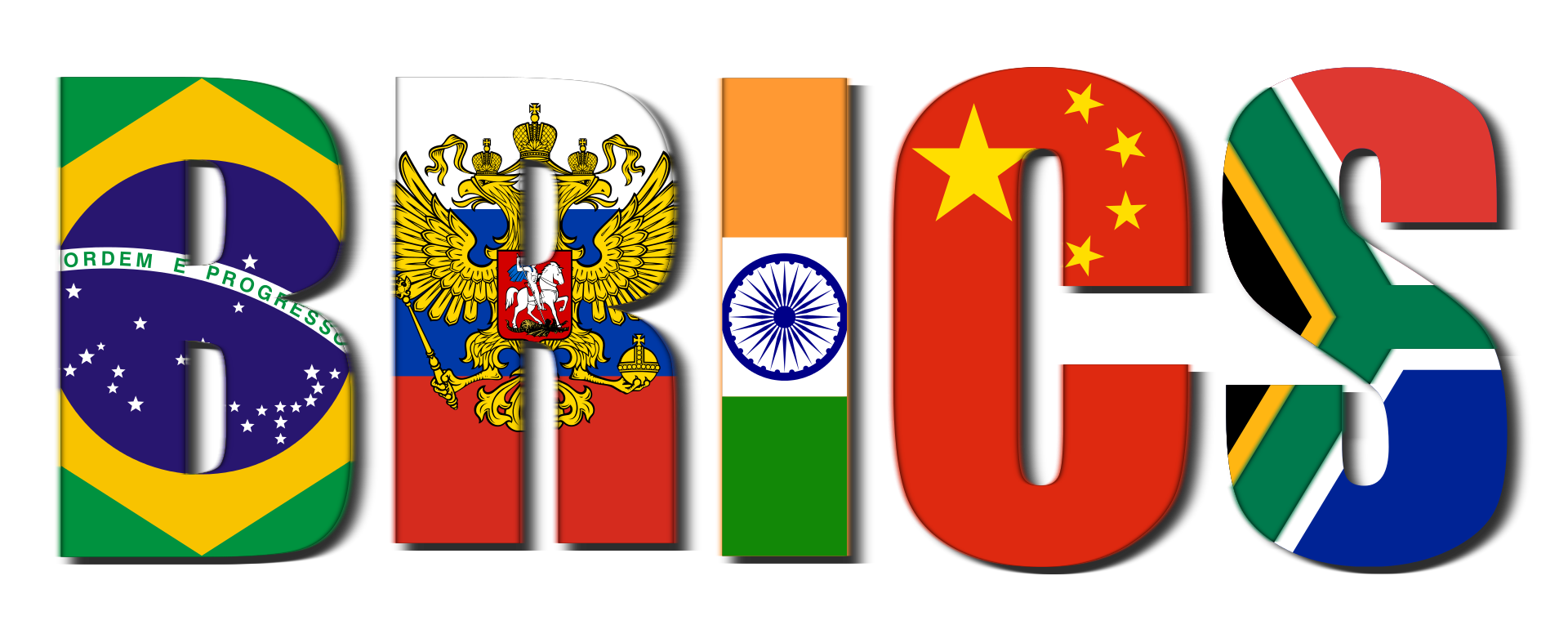
Nevertheless, Primakov planted a seed with RIC, and, in 2009, the bloc’s inaugural summit was held during the administration of Dmitri Medvedev. It featured the founding countries of Brazil, Russia, India, and China.
During this meeting, delegates adopted the acronym BRIC and formed an informal diplomatic club wherein their governments could meet annually at formal summits and coordinate multilateral policies. South Africa joined the organization in September 2010, which was then renamed BRICS, and attended the third summit in 2011 as a full member.
Russia’s foreign policy retained a western-oriented focus until Putin returned to the presidency in 2012. While integration with the West remained a key component of Putin’s third term, there was wider support for a more multipolar vector in foreign relations.
Russia’s 2013 Foreign Policy Concept stated that the “global potential of strength and growth is dispersing and shifting eastwards, particularly towards the Asia-Pacific region.” This marked an important break from previous policy after Primakov, one which sought economic integration with the West and cooperation on global issues like terrorism.
Pivot to Asia
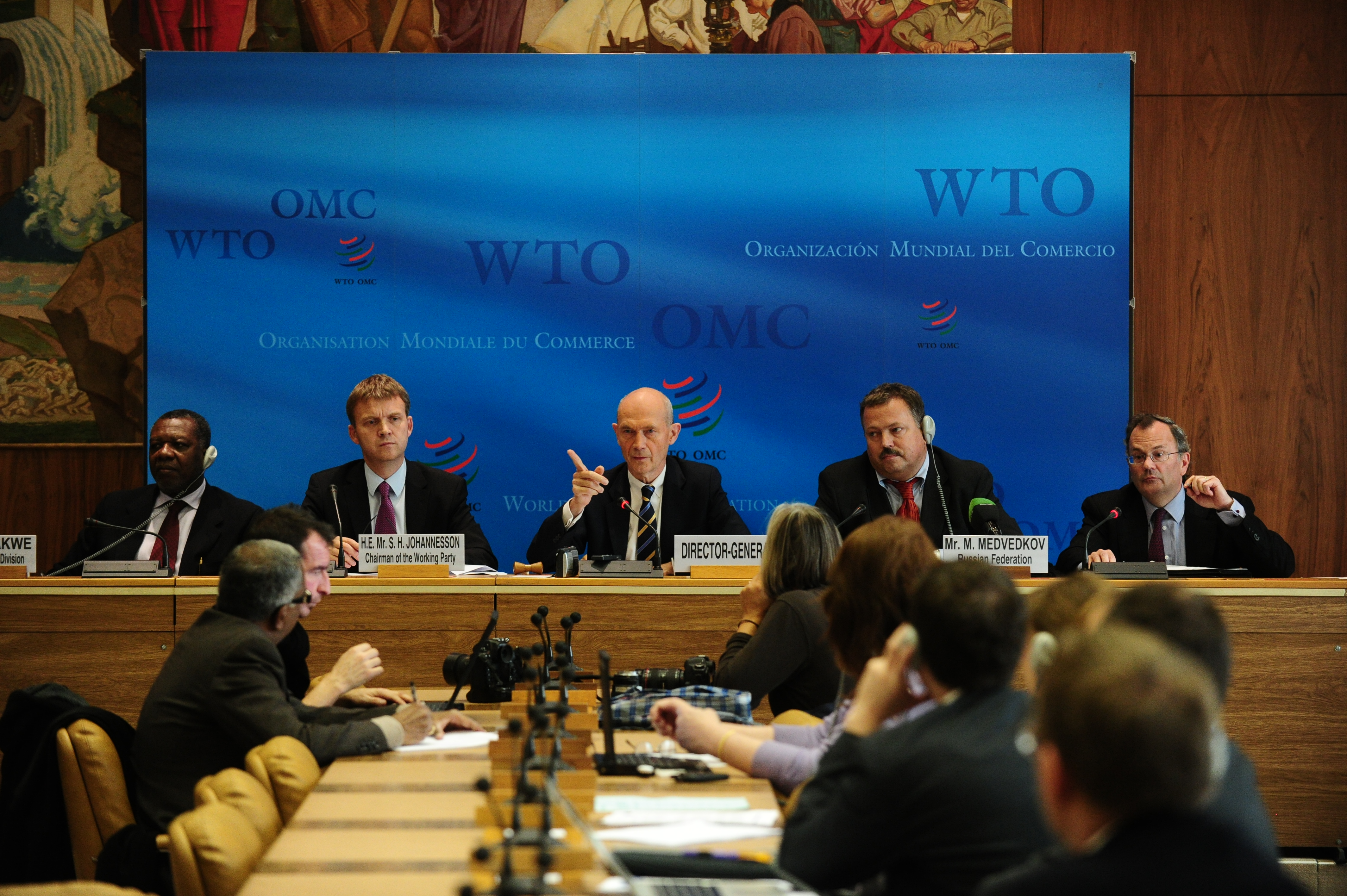
On August 22, 2012, the Russian Federation officially joined the World Trade Organization (WTO) after almost 18 years of negotiations. A mere month later, Russian leadership declared that trade with the Asia-Pacific countries would surpass trade with Europe as early as 2017.
Many experts were skeptical that Russia’s trade with Asia, particularly China, could increase as rapidly as it has. The pace of the redirection of trade to Asia has only been exacerbated since the 2014 Russian annexation of Crimea and the 2022 invasion of Ukraine, which resulted in myriad sanctions from the United States and the European Union.
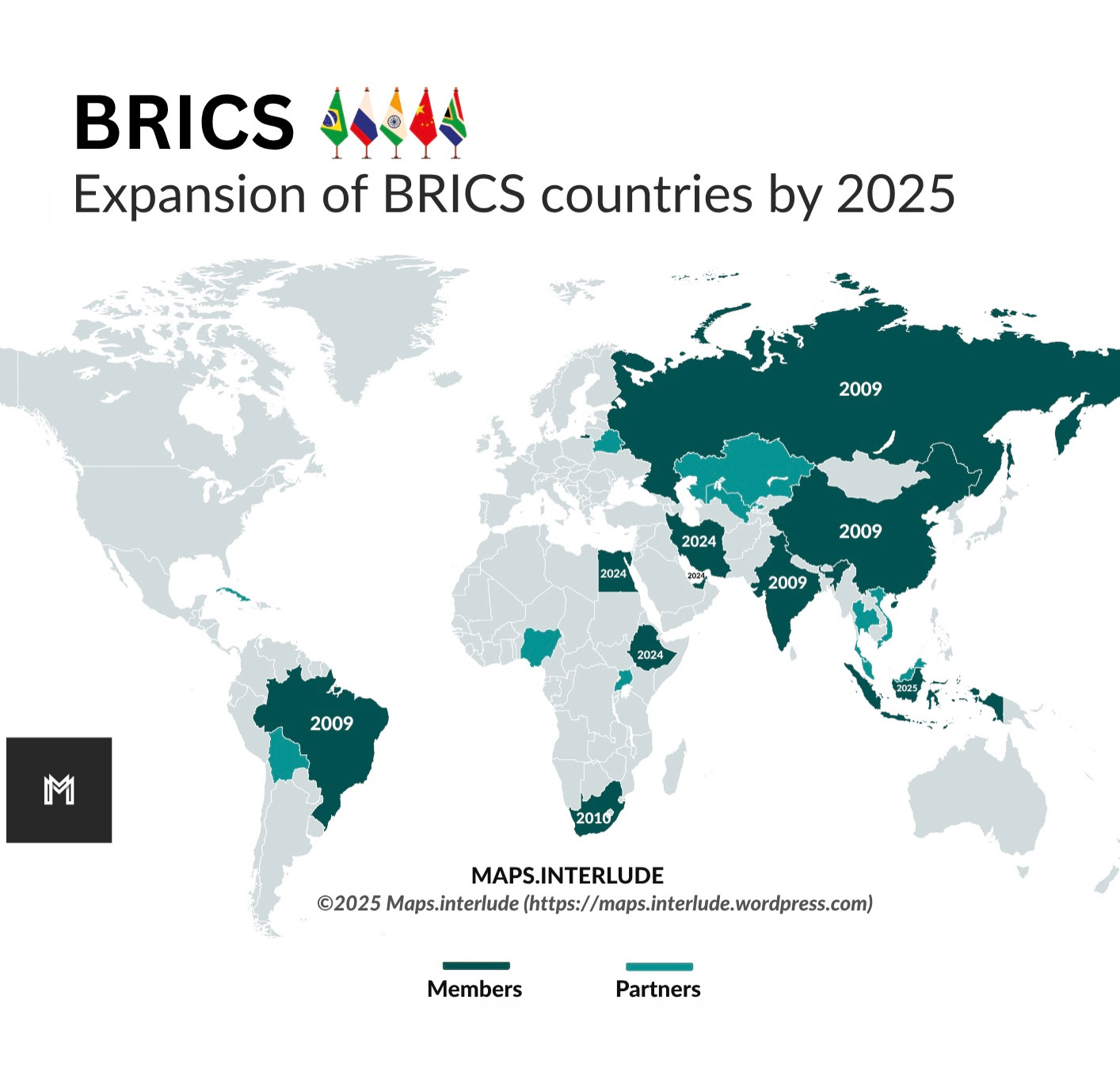
Russia has utilized BRICS to help facilitate this pivot to the East. Over the past 20 years, the organization has grown from the original five BRICS countries. Now BRICS+ accounts for roughly 39%of global GDP in purchasing-power-parity terms, and close to half of the world’s population.
Its membership has broadened to include Egypt, Ethiopia, Iran, United Arab Emirates, and Indonesia as new members in early 2025. Several other nations maintain “partner country” status (without voting rights), including Belarus, Bolivia, Cuba, Kazakhstan, Malaysia, Nigeria, Thailand, Turkey, Uganda, and Uzbekistan.
Most of these countries have not joined in the Western sanctions against Russia and maintain economic relations with Russia. Russia has benefitted significantly from this shift and the support it enjoys from the increased weight BRICS now holds in global trade.
China’s role stands out. It now accounts for around 30% of Russia’s exports and 35% of its imports (compared with 16% and 30%, respectively, before the war began in 2022).
While Russia’s initial objectives behind the forming of BRICS included strengthening multilateralism and equitable global development of trade, its focus has expanded in ways that challenge the still existing post-1945 financial and geopolitical architecture.
Russia and China have introduced specific financial issues for discussion, including a new BRICS payment system, de-dollarization, a BRICS digital currency, and an alternative to the International Monetary Fund (IMF) called BRICS Bank.
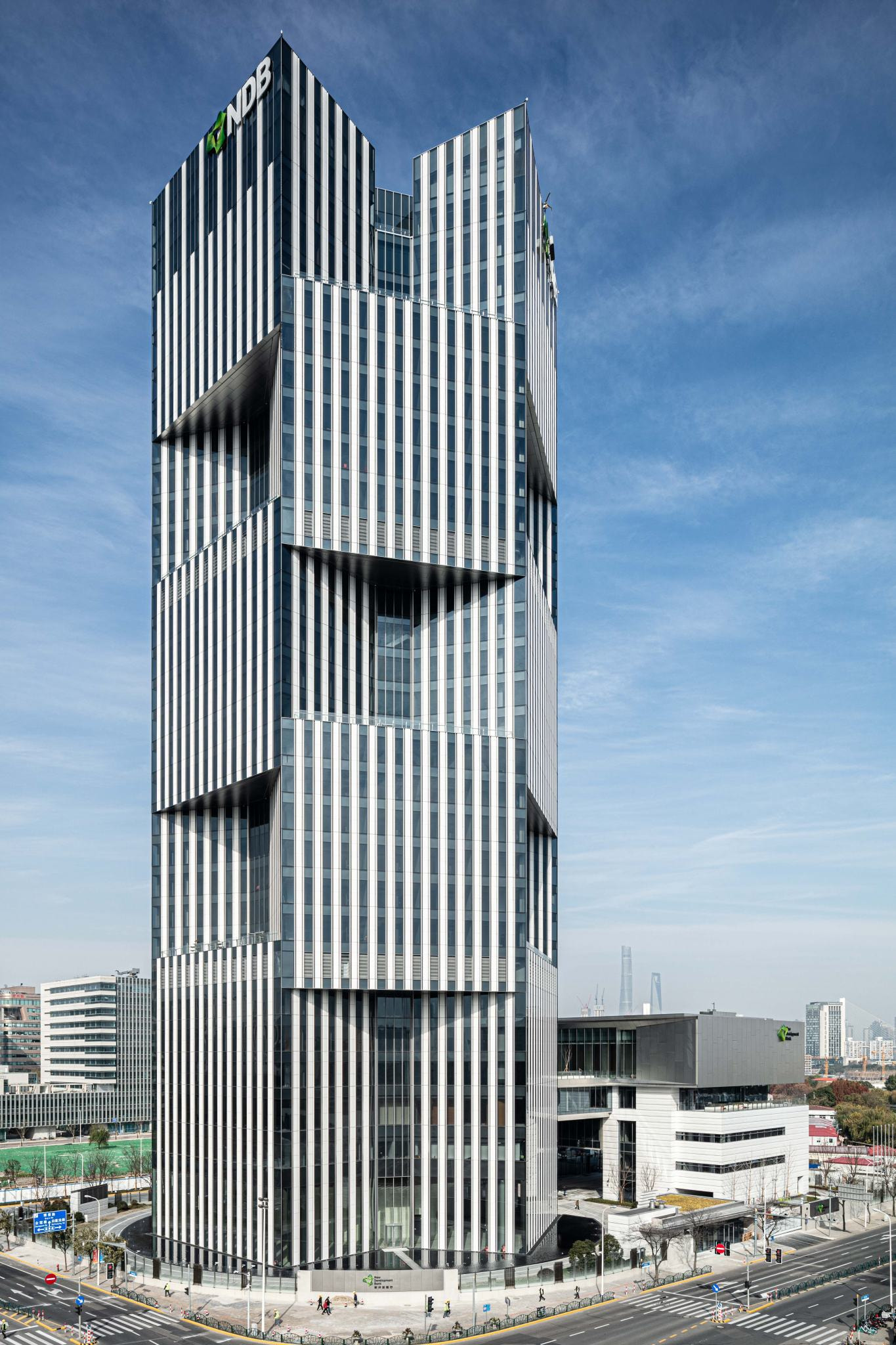
While realization of these initiatives remains unfulfilled, Russia has successfully worked to achieve support for moving these proposed ideas forward, largely through the BRICS framework.
Primakov’s Legacy and BRICS’s Future
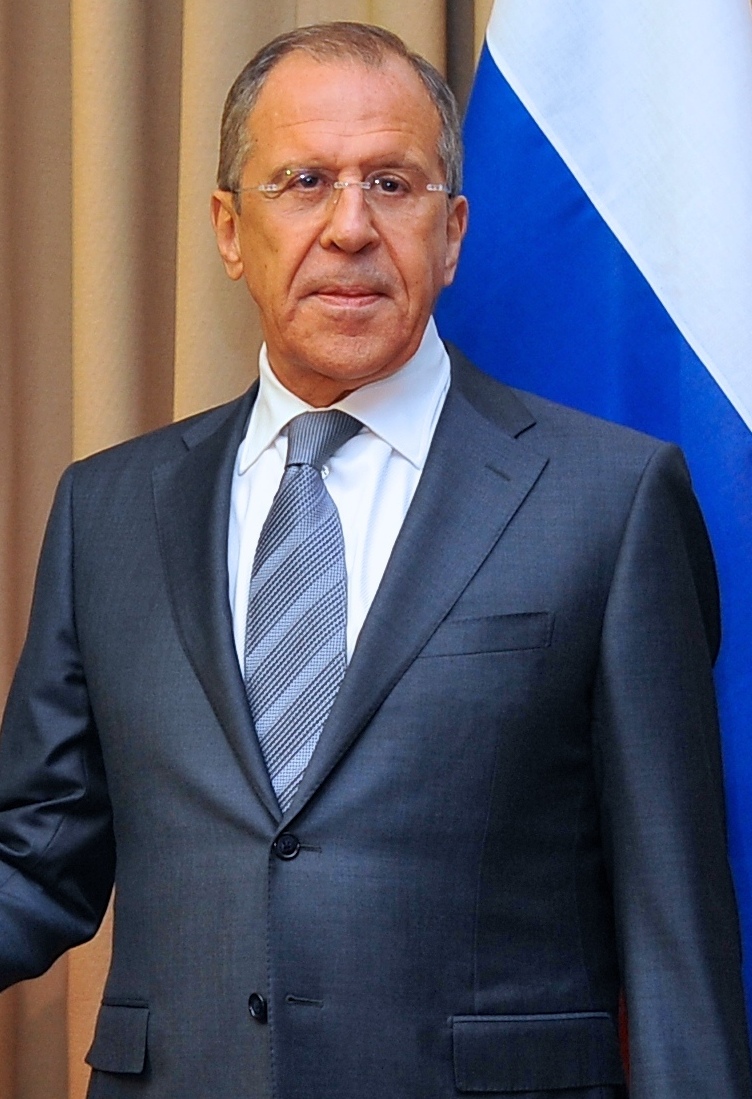
In December 2022, at the Primakov International Readings Forum, Sergei Lavrov, Foreign Minister of the Russian Federation, recognized Primakov’s vision and support for the BRICS institution. He underscored that during the mid-1990s, when everybody viewed the future of the world as “the end of history,” Primakov put forth the concept of multipolarity.
Lavrov emphasized that current global developments and the principal trend of the global shift towards multipolarity reflect the ideas that Primakov put forth in the 1990s and 2000s. He clarified that the Russian Federation is actively promoting them because “everything that is taking place now is proof that his ideas were correct.”
Lavrov accentuated the nexus between Primakov’s crucial role in post-Soviet Russia’s transition from collapse to recovery and the eventual return to great power status along with China and the United States. Although Primakov’s idea was 30 years ahead of its time, it stands at the core of the present era’s most pressing geopolitical and geoeconomic challenges.
Primakov developed key ideas concerning the importance of multipolarity, inter-civilizational dialogue, and resistance to Western “colonialism” that are being adopted in China, India, Brazil, Turkey, South Africa, and other countries. They have been echoed in the political declarations of BRICS, the Shanghai Cooperation Organization (SCO), and other organizations over the past two decades.
Still, BRICS faces economic, geopolitical, and logistical dilemmas. In general, critics have highlighted potential divisions and weaknesses in the grouping, including significant economic instabilities, disagreements among the members over UN Security Council reform, and India and China’s disputes over territorial issues.
The fact that many in the West do not officially recognize BRICS as a serious challenge does not detract from the reality that the West itself faces economic and political decline and a serious challenge to the “rules-based” global order.
There has been no moment since World War II when the United States (and Europe) has been weaker or faced as substantial a global challenge as it faces from the multipolarity encapsulated in BRICS.
Ironically, the United States has done more to undermine the validity of its own institutions (the United Nations, the International Monetary Fund, and even NATO) than has either Russia or BRICS.
As a result, an important question for all of us going forward is how the United States will interact with the multi-polar world emerging before it. The result will most likely determine the difference between the development of a new global architecture based on restraint and cooperation or the further intensification of current global divisions and violent conflict.
The former does not mean the United States will not continue to have a leading role given its vast resources and influence. However, the latter choice will surely continue to deplete available resources and hasten its decline both internally and globally.
The path the United States undertakes may prove crucial to whether BRICS remains in its current form or becomes something different, if it remains at all. But Mr. Primakov’s convictions on a multipolar future will be proven not only prescient, but enduring, regardless of which scenario is undertaken.
Glenn Diesen. The Ukraine War & the New Eurasian World Order. Atlanta: Clarity Press, Inc., 2024.
Yevgeni Primakov. Russian Crossroads: Toward the New Millennium. Yale University Press, 2004.
Yevgeni Primakov. Russia and the Arabs: Behind the Scenes in the Middle East from the Cold War to the Present. Basic Books, 2009.
Paul Robinson. Russia’s World Order: How Civilization Explains the Conflict with the West. Cornell University Press, 2025.
Andrei P. Tsygankov. Russia's Foreign Policy: Change and Continuity in National Identity. Bloomsbury Publishing, 2025.


.jpg)


_Enlargement,_1949-Present_-_IMG_2327.jpg)
.jpg)


.jpg)