
On Sunday afternoon, March 15, 1626, a reservoir above Potosí, Bolivia, nearly 14,000 feet above sea level, failed. Heavy rains had followed drought, filling the Kari Kari "lagoon," as it was called, breaching its earthen dam.
A violent flood ensued, ripping through the city center and destroying dozens of refining mills and carrying away numerous houses. Hundreds of unsuspecting inhabitants, many eating lunch or napping, were crushed by collapsing earthen walls and rolling detritus. Others drowned.
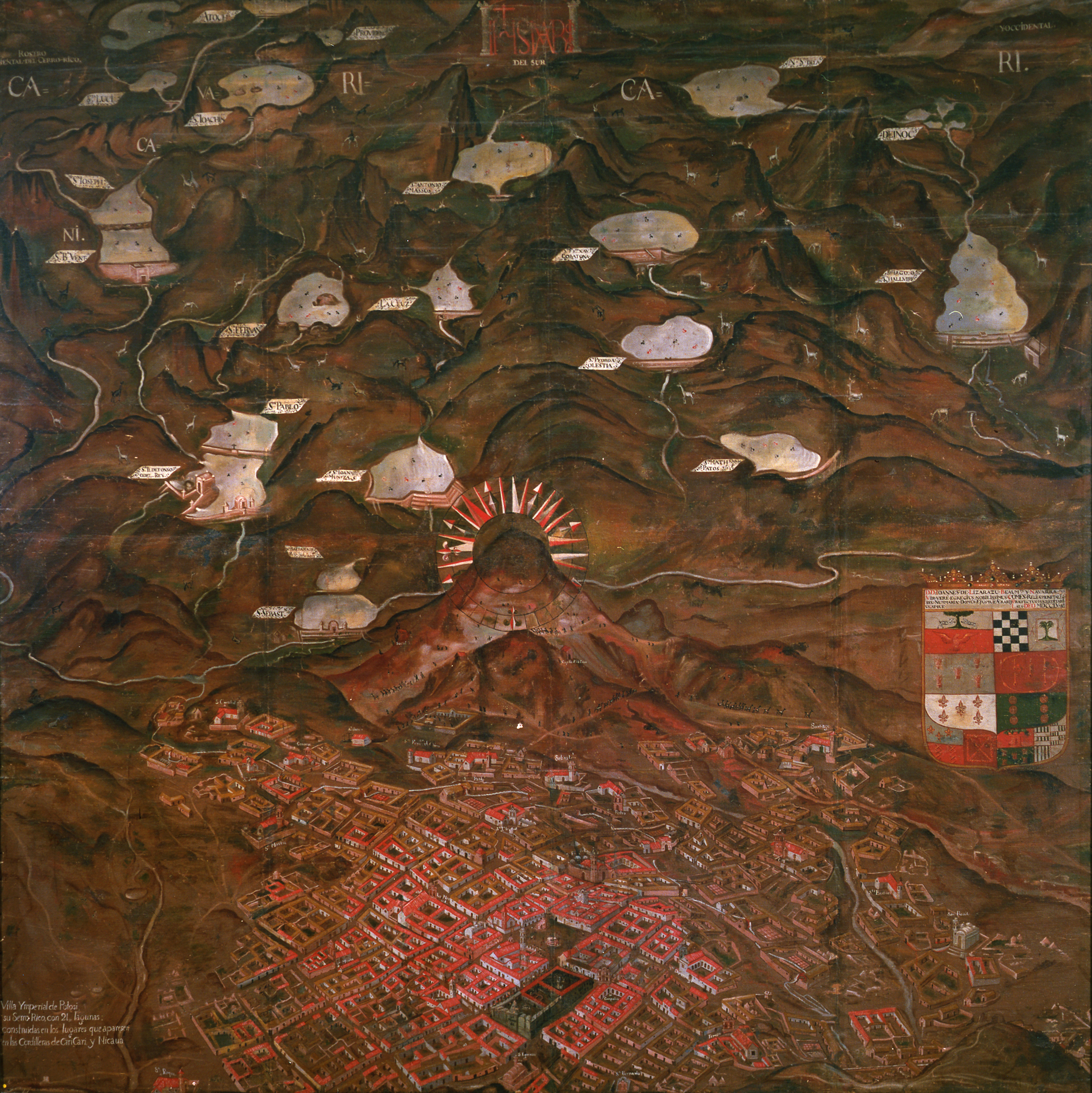
Looking back 400 years after the great flood, what do we learn? Is it a cautionary tale, or just one of many disasters described in early modern sources as “secret judgments of God”?
The year 1626 opened with optimism in Potosí, the world's highest and most productive mining town and—with some 120,000 inhabitants—one of the world's most populous cities. Nearly five years of factional fighting were halted by viceregal decree in April 1625 and potosinos were back to work mining and refining silver. Potosí remained by far the world's top silver producer.
The problem was water.
Since the 1570s, Potosí's mine owners, several of them women, relied on hydraulic mills to crush and refine silver ore, a toxic process known as amalgamation. Refiners invested in plant, wages, fuel, and supplies, but they relied on the Spanish crown to provide Indigenous draft workers plus the solvent mercury at cost.
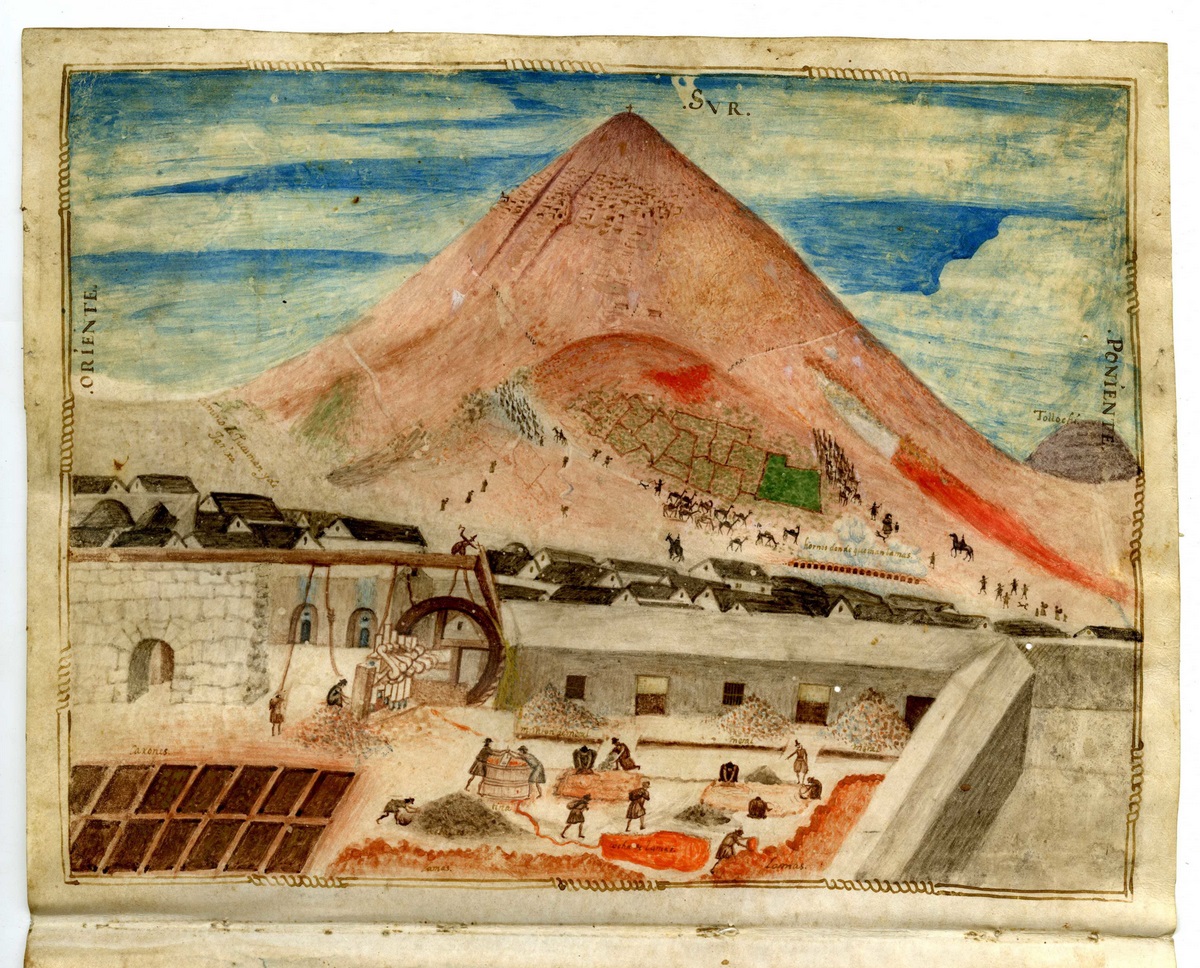
With the aid of nearly 10,000 drafted Andean workers plus an even larger number of llamas, Potosí officials oversaw construction of a vast system of dams and canals in the adjacent Kari Kari Mountain range. The idea was to outwit nature. Without a steady water supply, ore milling, and thus silver production, was only possible during the short, February-to-May rainy season.
Perched in old glacial depressions uphill from the city center, the lower Kari Kari reservoirs were known to be dangerous. Partial dam failures and overspill had damaged mills in the year 1600 and again in 1619.
A sequence of dry years, perhaps exacerbated by Pacific surface temperature cycles and the Little Ice Age, forced expansion of the reservoir catchment area. Notably, dams and aqueducts were not made from cemented stone, a tested technology used in colonial bridges around Potosí, but rather a blend of loose rock, tamped earth, and sod or champa.
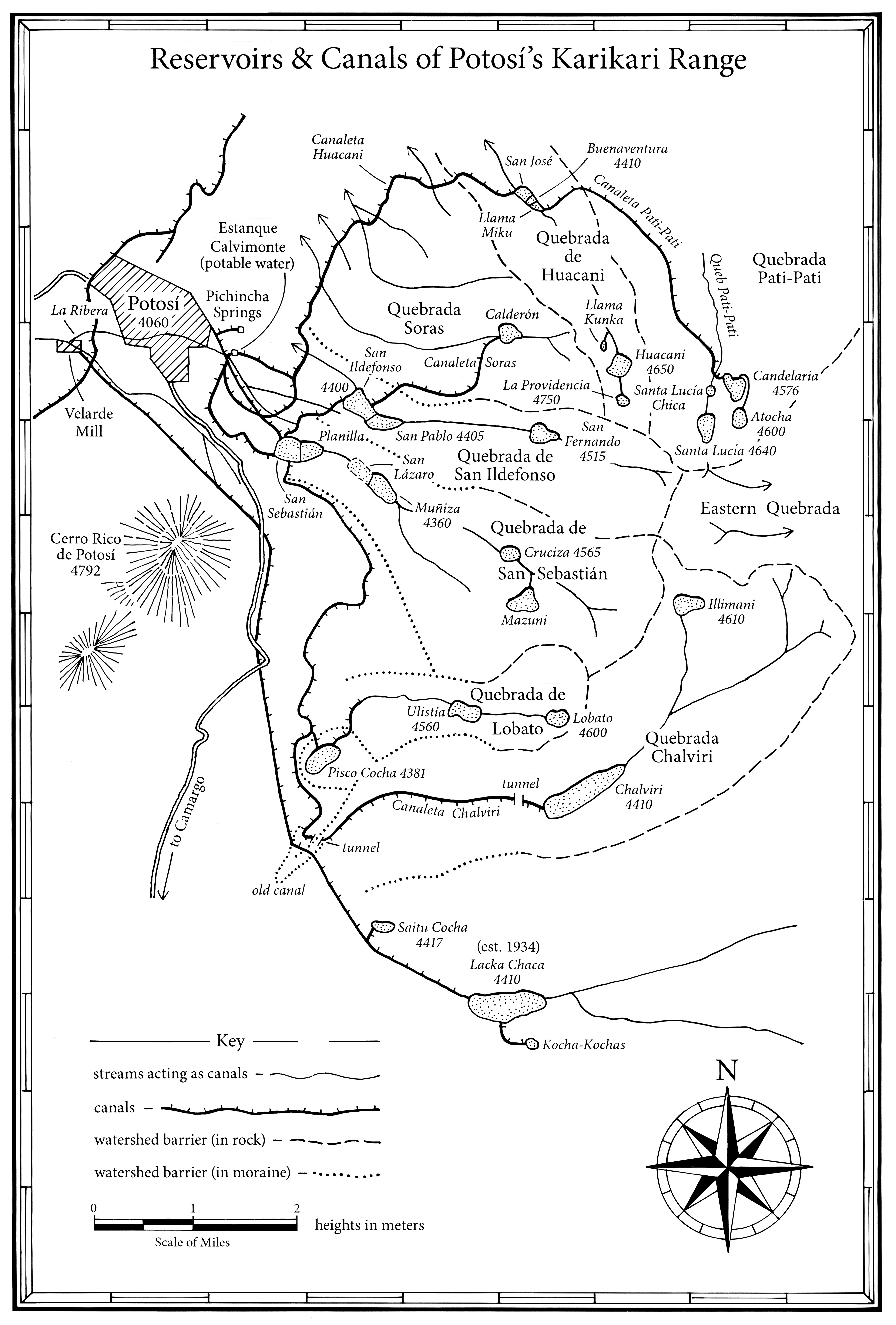
Water-control structures made from this earthen material were common throughout the Andes, and they were generally effective. But they had to be constantly monitored and maintained by communal work parties. More importantly, “champería” dams had never been used to create huge artificial lakes, much less ones that often froze, thawing daily with extreme diurnal temperature swings.
Focused on silver rather than safety, European mine owners and royal officials pushed not only Indigenous people (and llamas) but also Indigenous terraforming and hydraulic technologies to their limits.
Most eligible Andean workers were made to mine and refine silver rather than to maintain infrastructure. Llama teams, meanwhile, hauled ore from mines to refineries. Reservoir maintenance was seen as lost revenue.
When the rains finally came in early 1626, the largest dam above Potosí overspilled and gave way. Interim governor Bartolomé Astete de Ulloa described what appeared to be cascading “mountains of water.” Astete listed destroyed mills with their owners and tallied 350 known deaths. Many others were missing. Damages were estimated at some four million silver pesos.
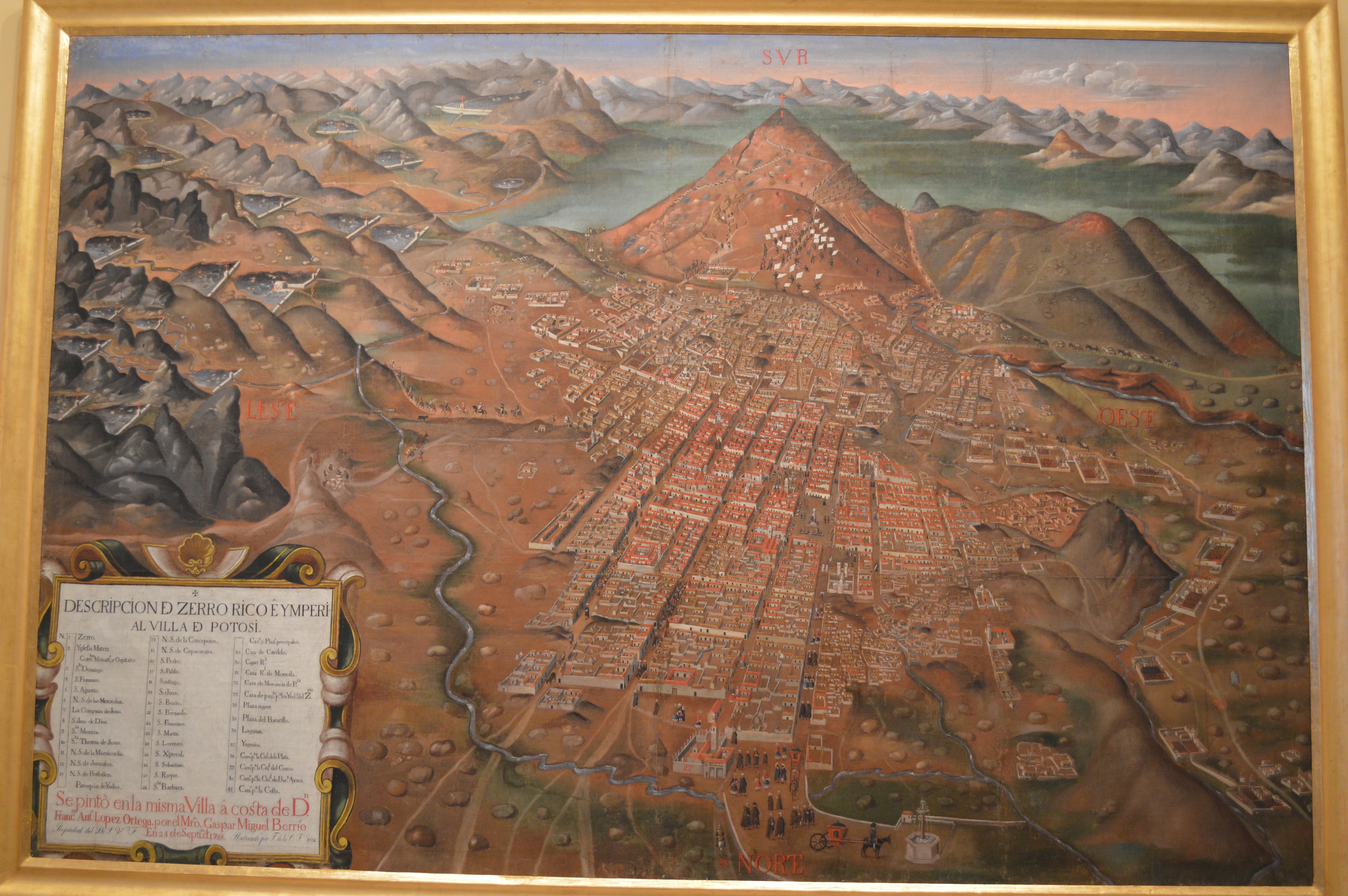
Authorities blamed careless inspectors, but they also claimed the main Kari Kari dam had dried out amid an unusually extended drought, rendering it brittle and porous. Inspectors got lazy when they should have seen this coming. Was climate change also to blame for the 1626 flood?
Climatic factors exacerbated the Great Potosí Flood of 1626, but it was wealthy elite unwillingness to invest in sturdy materials and back-up features like spillways that made this a socio-economic rather than a natural disaster. Here then is a familiar tale of “not-so-natural” causation, featuring greed, overconfidence, and government-plus-private-industry negligence.
Yet we might also consider the 1626 flood and the larger project that encompassed it as befitting another emerging historical phenomenon: big, hydraulic, colonial infrastructure. We may compare Potosí’s hydraulic re-engineering to the pharaonic task of draining the Lake of Mexico, begun in 1607.
Indigenous Americans had long altered landscapes and managed water. What was new about the Spanish colonial projects was their scale, aims, and ambitions.
Potosí's engineers aimed to expand an alpine lacustrine ecology in the name of quasi-industrial metal production. Both projects succeeded as they failed. Mexico City's lakes were drained, yet the city flooded. Potosí got year-round waterpower, then violent inundation.
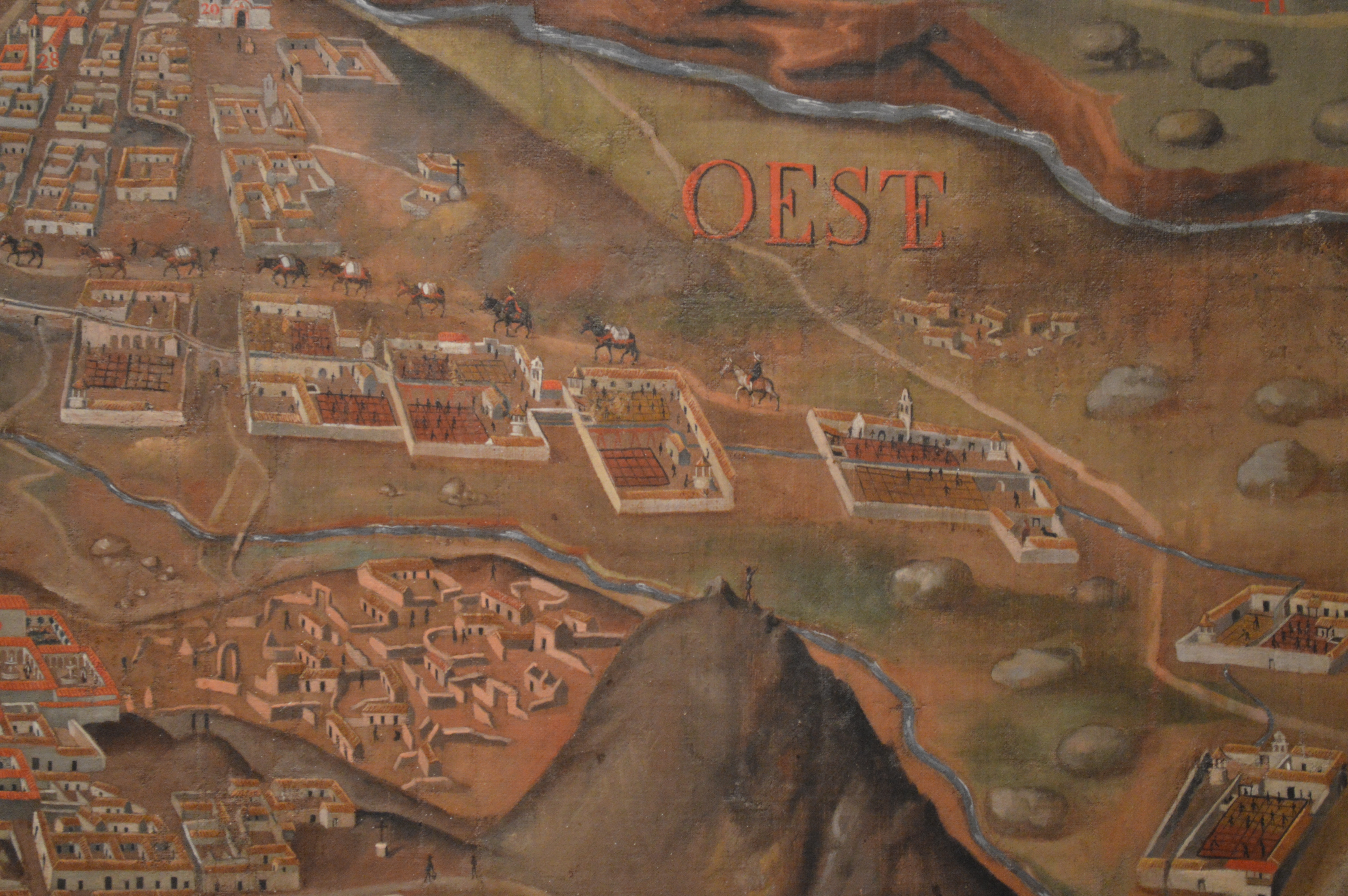
The great “machine” of Potosí, as seventeenth-century visitors called it, was powered by seasonal precipitation, by gravity. It was warmed—if only barely—by the sun. Photosynthesis fed its workers, human and nonhuman, propped its mines and mills, and fed its furnaces. Mercury came from highland Peru, produced in a similarly “organic” way.
A new kind of city, Potosí consumed everything and spewed untold tons of toxic waste in exchange for silver.
Was it a machine, then, this newfangled silver-spewing monster called Potosí, with its sprawling, hand-made hydraulic infrastructure, or was it rather an early modern cyborg, a creaky Leviathan? It was certainly ravenous. It drank blood and mercury, but also ate the cushion plant yareta, which supplied Potosí’s hundred-plus silver refineries with fuel, alongside llama dung.
As it changed world history by lubricating commerce and “upscaling” war on land and sea, Potosí was something new under the sun. Four hundred years on, the flood disaster of March 15, 1626, may tell us more about misplaced aspirations and their effect on future generations.

Learn More:
Aguilar, Julio. "A Thirsty Colonization: Water and Environmental Transformation in the Silver City of Potosí, 1545-1760." PhD dissertation. University of California at Davis, 2022.
Arzans de Orsúa y Vela, Bartolomé. Historia de la Villa Imperial de Potosí. 3 vols. Eds. Gunnar Mendoza and Lewis Hanke. Providence: Brown University Press, 1965.
Bakewell, Peter. Miners of the Red Mountain: Indian Labor in Potosí, 1545-1650. Albuquerque: University of New Mexico Press, 1984.
Candiani, Vera. Dreaming of Dry Land: Environmental Transformation in Colonial Mexico City. Stanford: Stanford University Press, 2014.
Lane, Kris. Basques and Vicuñas at the Mouth of Hell: A Documentary History of Potosí in the Early 1620s. trans. Timothy Johnson. Reno: University of Nevada Press, 2026.
Lane, Kris. Potosí, the Silver City that Changed the World. Oakland: University of California Press, 2019.
Pérez Pertino, Pedro. Surfeando en Potosí. La inundación de la Villa Imperial en 1626. Buenos Aires: Kuruf, 2025.
Rabatel, Antoine, et al. "A Chronology of the Little Ice Age in the Tropical Andes of Boliva (16 degrees S) and its Implications for Climate Reconstruction." Quaternary Research 70:2 (2008-09): 198-212.
Vázquez de Espinosa, Antonio. Compendium and Description of the West Indies. trans. Charles Upton Clark. Washington, DC: Smithsonian Institution, 1942.


