
The Battle of Blair Mountain took place in West Virginia during the summer of 1921. This confrontation between pro-union miners and an anti-union paramilitary force was the climax of the Mine Wars, a period of labor unrest that had gripped the state’s southern coalfields for about two decades.
The conflict remains the largest armed insurrection in American history since the Civil War and an enduring example of a broad, multiethnic coalition that challenged the oppression of extractive capitalism.
Understanding Blair Mountain means starting with coal. Coal—peat subjected to millions of years of heat and pressure—began forming underground over 300 million years ago. Following the Civil War, Americans increasingly valued coal as a necessary industrial fuel for rebuilding the country. Coal had many uses, including fuel for locomotives, a reagent to make steel, and a source of synthetic chemicals.
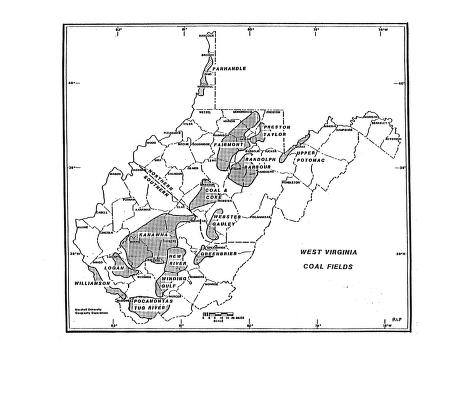
While geologists had already surveyed much of southern West Virginia by the 1860s, rugged terrain and a small population meant that much of its coal remained unmined. This changed following the completion of the Chesapeake and Ohio Railroad in 1873 and the Norfolk and Western in 1891. West Virginia coalfields were now open for business.
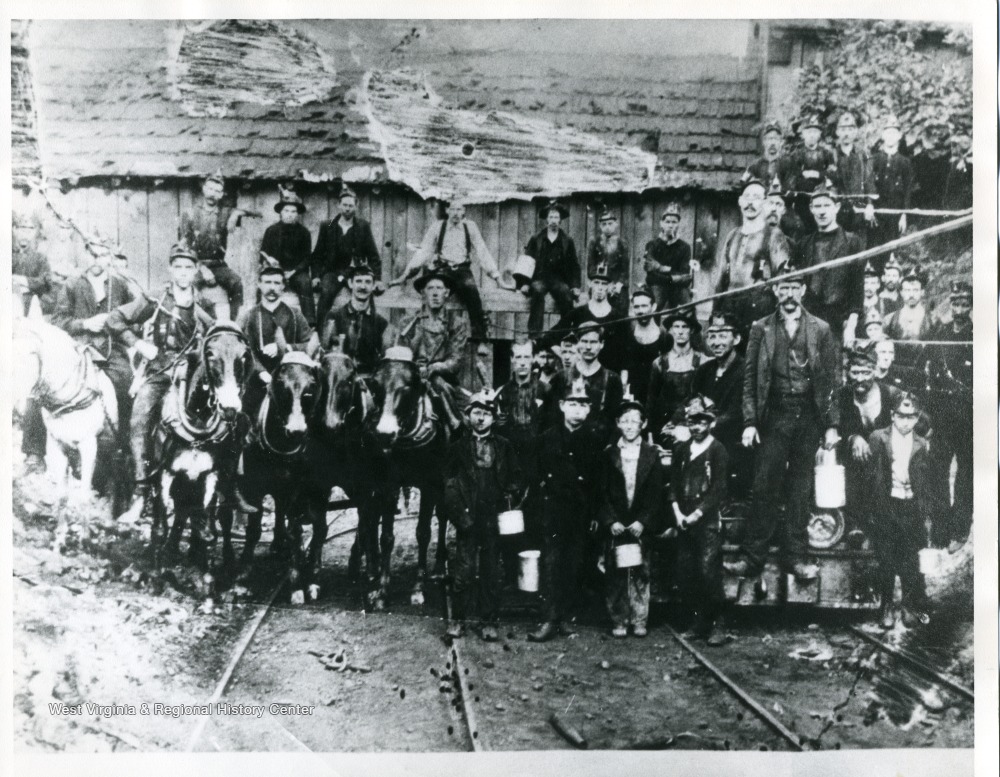
Most miners lived in company towns. Some mine operators employed guards who frequently harassed and injured miners. However, migrants could expect higher wages, new housing, and scenic environments. Company towns were highly diverse places. Britons mingled with Black Americans while Slovaks and Italians worked alongside Poles and Hungarians.
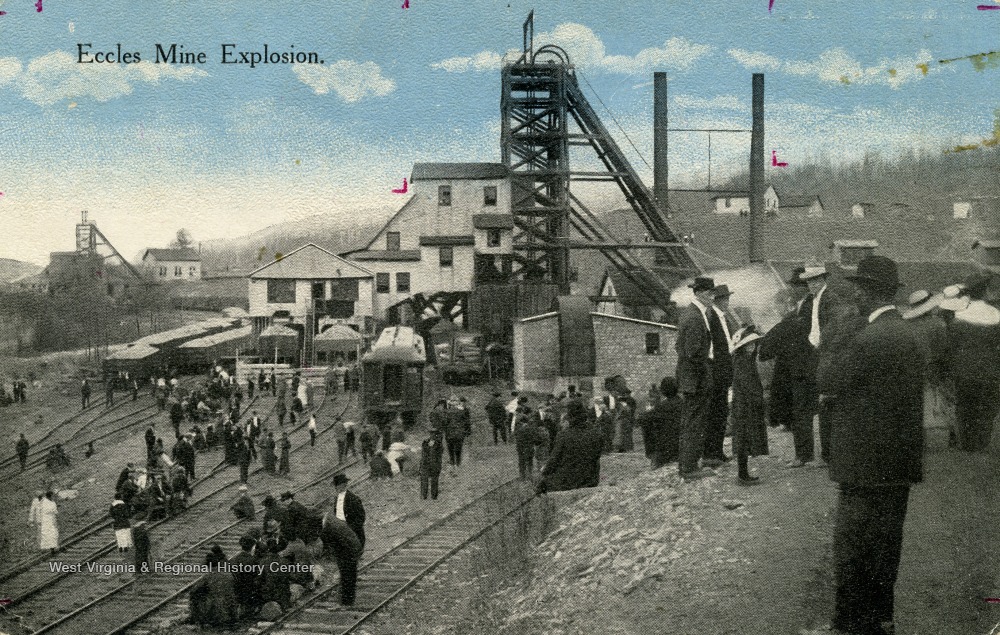
Opportunity, however, came with a toll. Workplace accidents, from maiming to death, were common. Mineshaft explosions (typically caused by igniting methane gas) often killed hundreds. Catastrophes occurred across the region, most notably the Eccles Mine Disaster in the Winding Gulf Coalfield, which killed 183 miners in 1914.
Danger below ground—and company control above—prompted unionization. The United Mine Workers (UMW) formed in Columbus, Ohio in 1890 and quickly became one of the most powerful labor unions in the country. The Union championed quality-of-life improvements like an eight-hour shift, union men working the scales (miners were paid by tonnage), and welfare for miner’s widows and orphans.
Organizing in West Virginia was difficult. Many leaders at Blair Mountain were shaped by the Paint Creek-Cabin Creek Strikes of 1912-13. In Kanawha County, miners struck over issues ranging from the right to organize to the end of blackballing (a gentleman’s agreement that blacklisted a miner).
Organizer Mary “Mother” Jones ventured to Kanawha County to support striking miners. Her militant rhetoric urged miners to organize, self-educate, and “fight like hell.” This fiery advocacy made an impression on miners Bill Blizzard and Frank Keeney. Keeney and Blizzard were soon in leadership positions at West Virginia’s UMW Chapter 17.
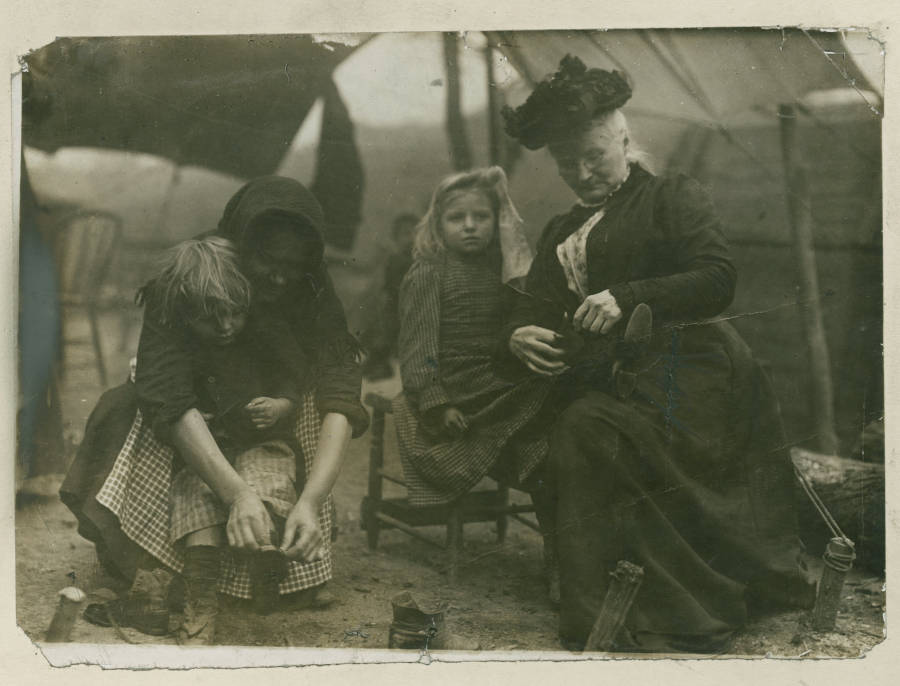
Many died during the strike from violent acts and starvation. The conflict ended once Governor Henry Hatfield issued miners an ultimatum. Tension eased as work increased and wages rose due to the demands of the First World War.
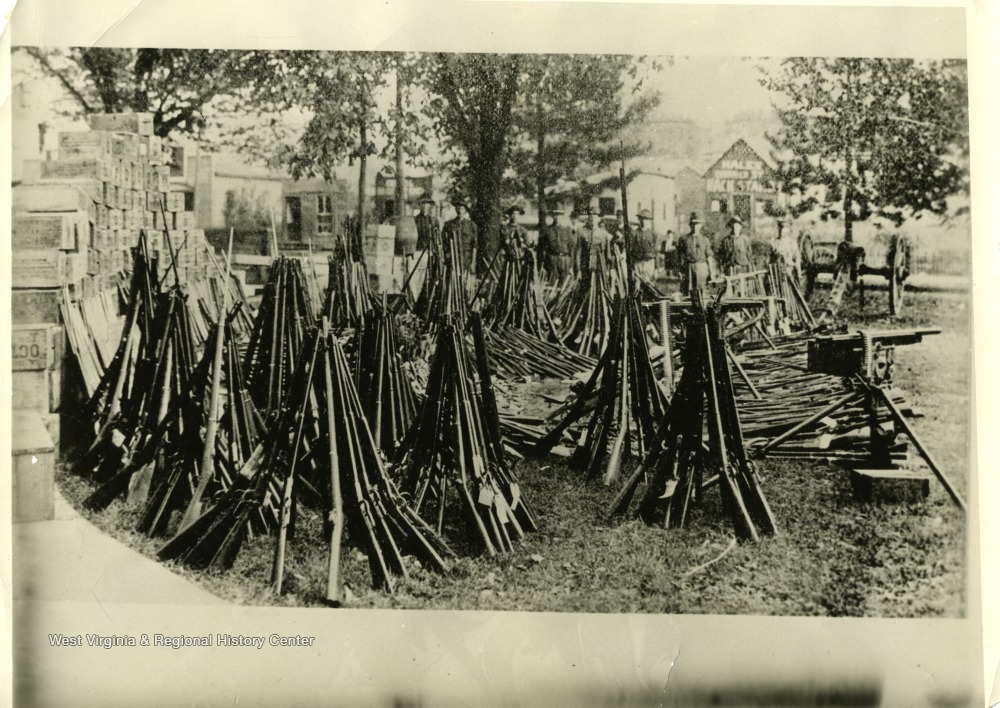
Labor strife returned as demand for coal collapsed following the war. While the UMW boasted of their hard-fought successes, the Williamson Coalfield bordering Kentucky remained fiercely anti-union. UMW officials targeted this coalfield—staffed with brutal mine guards—following successful campaigns in the neighboring Logan Coalfield in 1919.
Events came to a head at Matewan in 1920. Here, Baldwin-Felts Detectives—a firm of mine guards—arrived that May to evict strikers in the company town of Stone Mountain. Matewan, however, was pro-union. Mayor Cabell Testerman and sheriff Sid Hatfield believed these evictions were unlawful and acquired warrants for the agents’ arrest once they returned to catch their train. Gunfire erupted during this confrontation, killing Testerman alongside detectives Albert and Lee Felts.
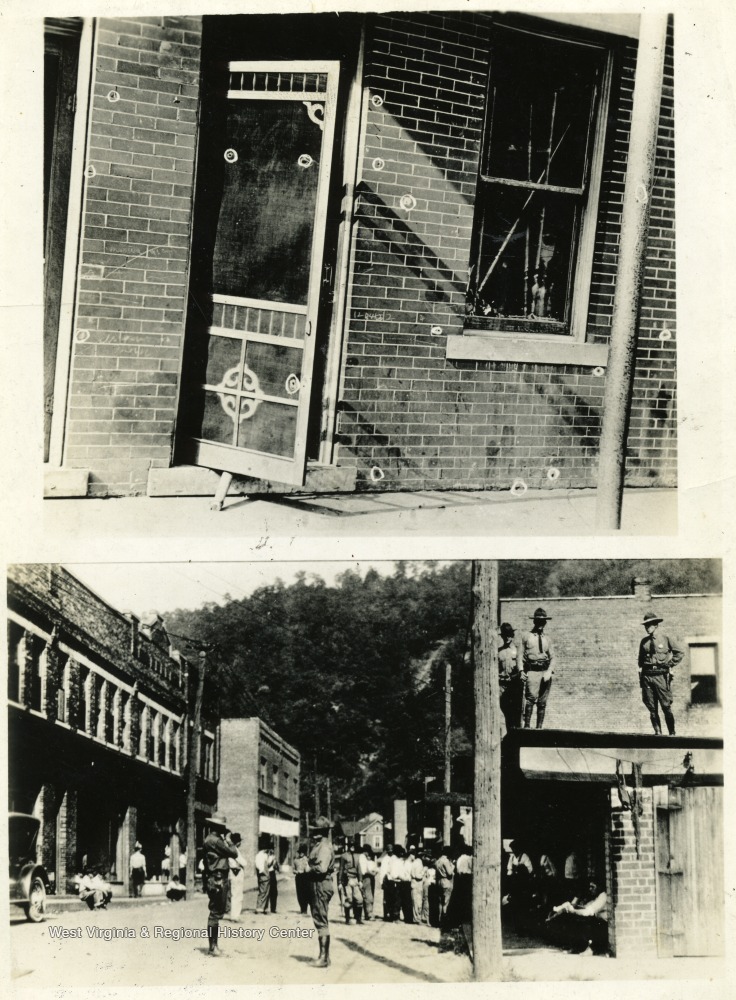
Hatfield—a gunslinger known as “Smiling Sid”—was acquitted for murder. Determined to get revenge, however, the Baldwin Felts Agency used their influence to convince a judge to summon Hatfield for a different charge in neighboring McDowell County. On the courthouse steps, Baldwin Felts agents murdered Hatfield and deputy Ed Chambers. Thousands attended their funeral while miners across West Virginia laid down their tools. During the eulogy, speaker Sam Montgomery laid the situation bare: “There can be no peace in West Virginia” until this oppression ceased.
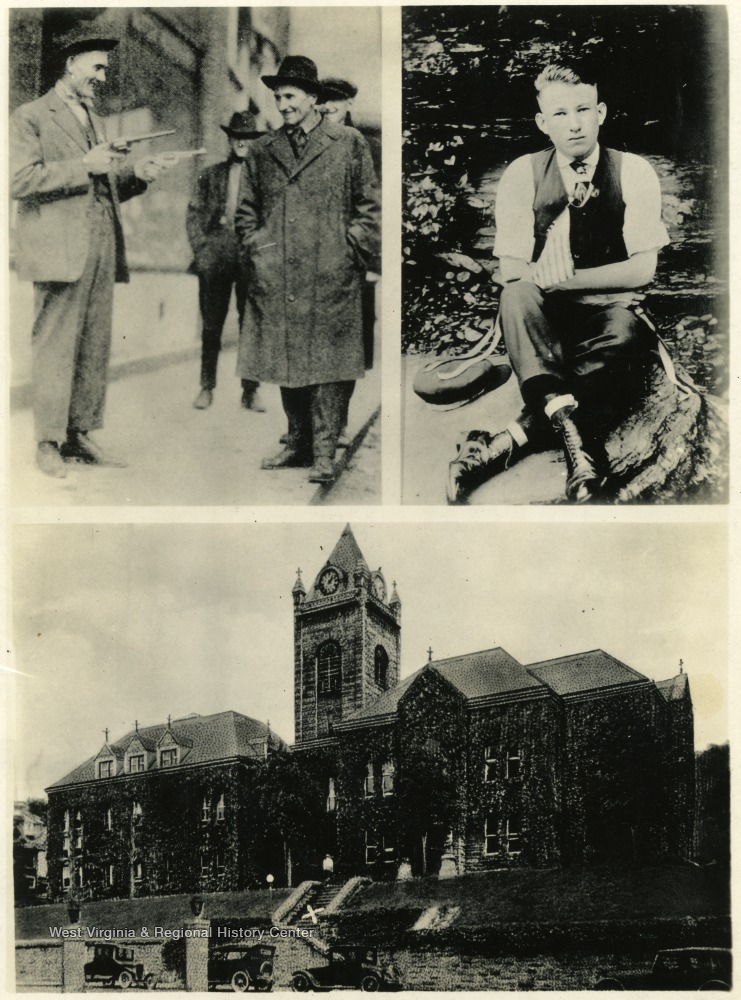
Restless miners gathered in Charleston as UMW officials met with Governor Ephraim Morgan. Mother Jones returned to the state following Hatfield’s murder. Miners demanded concessions like fairer wages, an eight-hour shift, and an end to mine guards.
Morgan rejected every demand. To calm tensions, Jones claimed she had a telegram from President Harding that addressed miner’s concerns. Her former pupil Frank Keeney proved her telegram was fake, forcing a disgraced Jones to flee the state.
Some 10,000 miners united at Marmet under the leadership of Blizzard, Keeney, and Fred Mooney (UMW secretary-treasurer). Their march to unionize the Williamson Coalfield was halted by anti-union Logan County Sheriff Don Chafin and his 3,000-strong militia.
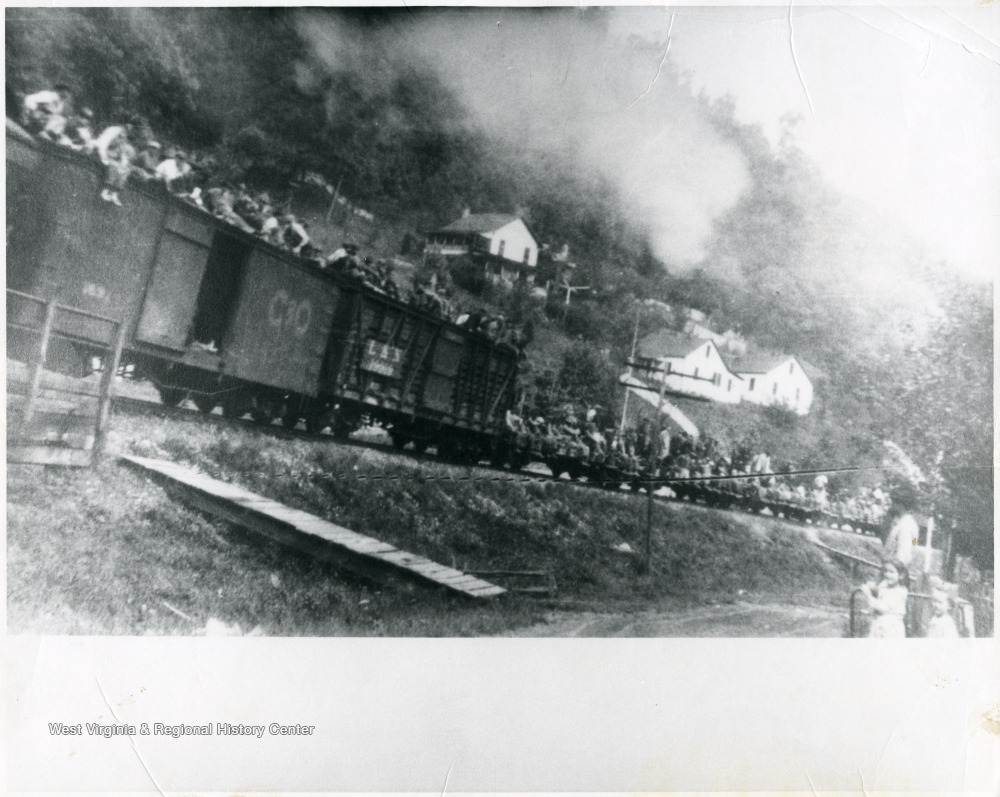
The two forces met at Blair Mountain and the first casualties occurred by August 30. Chafin’s men were dug in with machine guns. Miners, among whom many were veterans, applied their military training as they scoured the ridge and engaged in gunfights. Chafin even used airplanes to drop bombs on the miners. After numerous pleas, President Harding fulfilled Governor Morgan’s request for 2,500 federal troops.
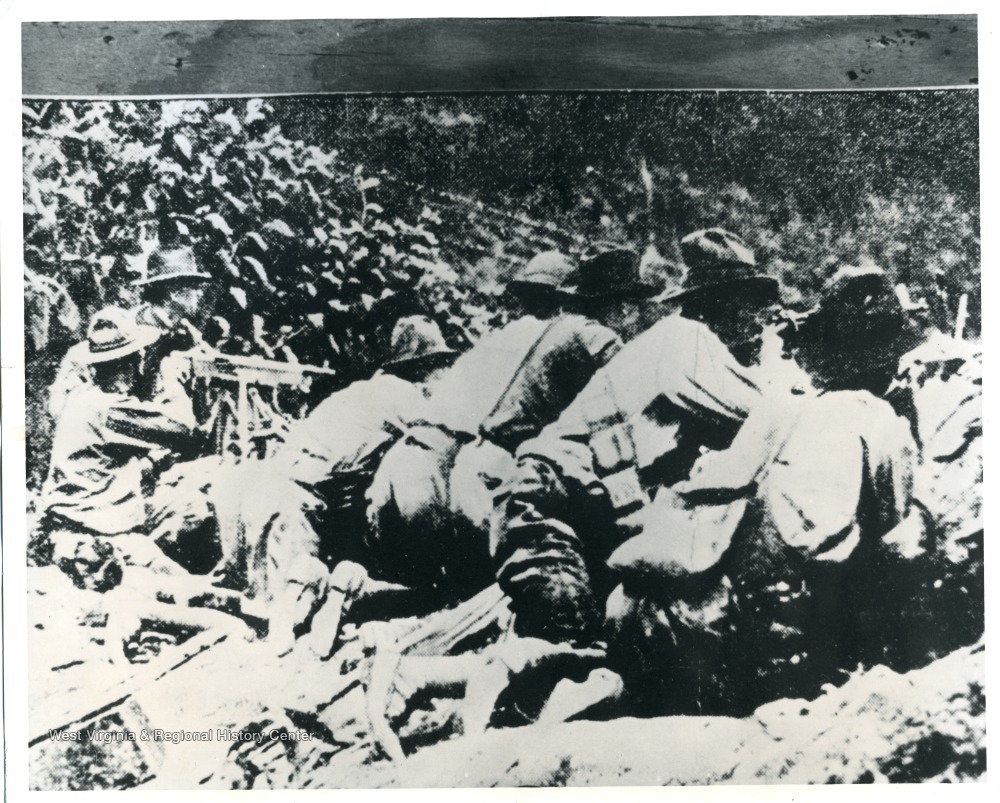
The miners surrendered to American forces both because their target was local corruption and because they believed federal intervention would address their grievances. The Battle of Blair Mountain ended on September 4. The death toll remains unknown. Hundreds were charged with insurrection, including Blizzard, but most were acquitted. Miners returned to work with worse terms than before while union membership plummeted.
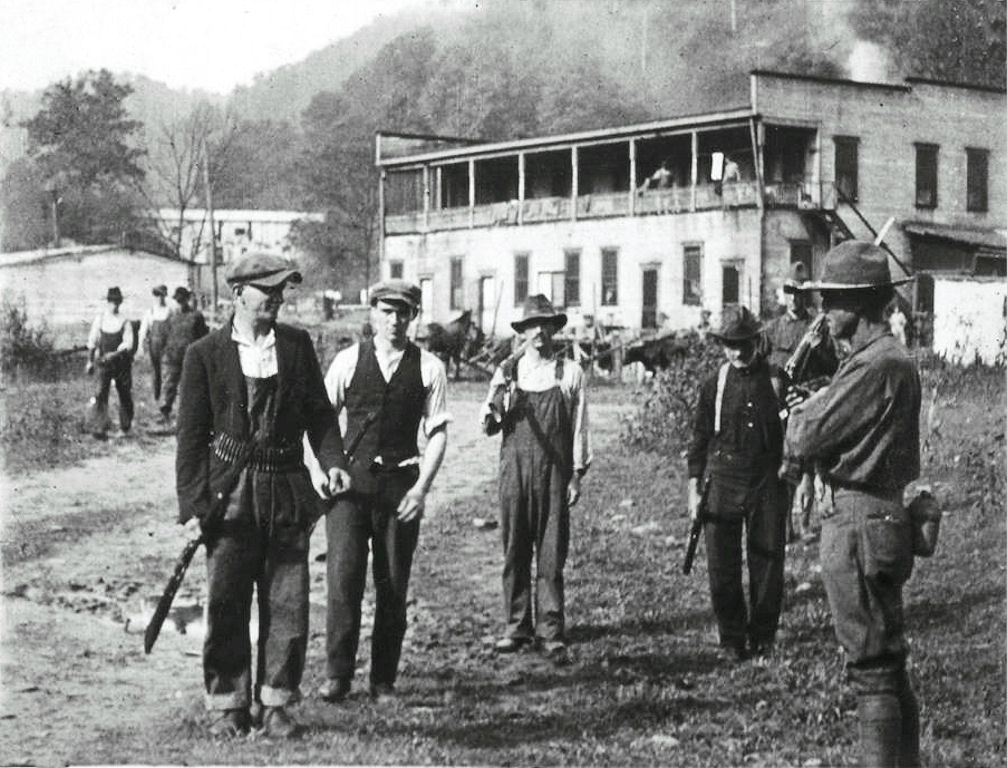
Despite the miners’ loss, those in positions of power across West Virginia felt so threatened by this uprising that they worked tirelessly to write this tale out of the state’s history. West Virginia State Police confiscated journalists’ reports at Blair Mountain. The state's Federal Writer's Guide, West Virginia: A Guide to the Mountain State, was only published once the Mine Wars section was amended. West Virginia Yesterday and Today, the state’s standard school textbook until the 1970s, gave no mention of labor unrest.
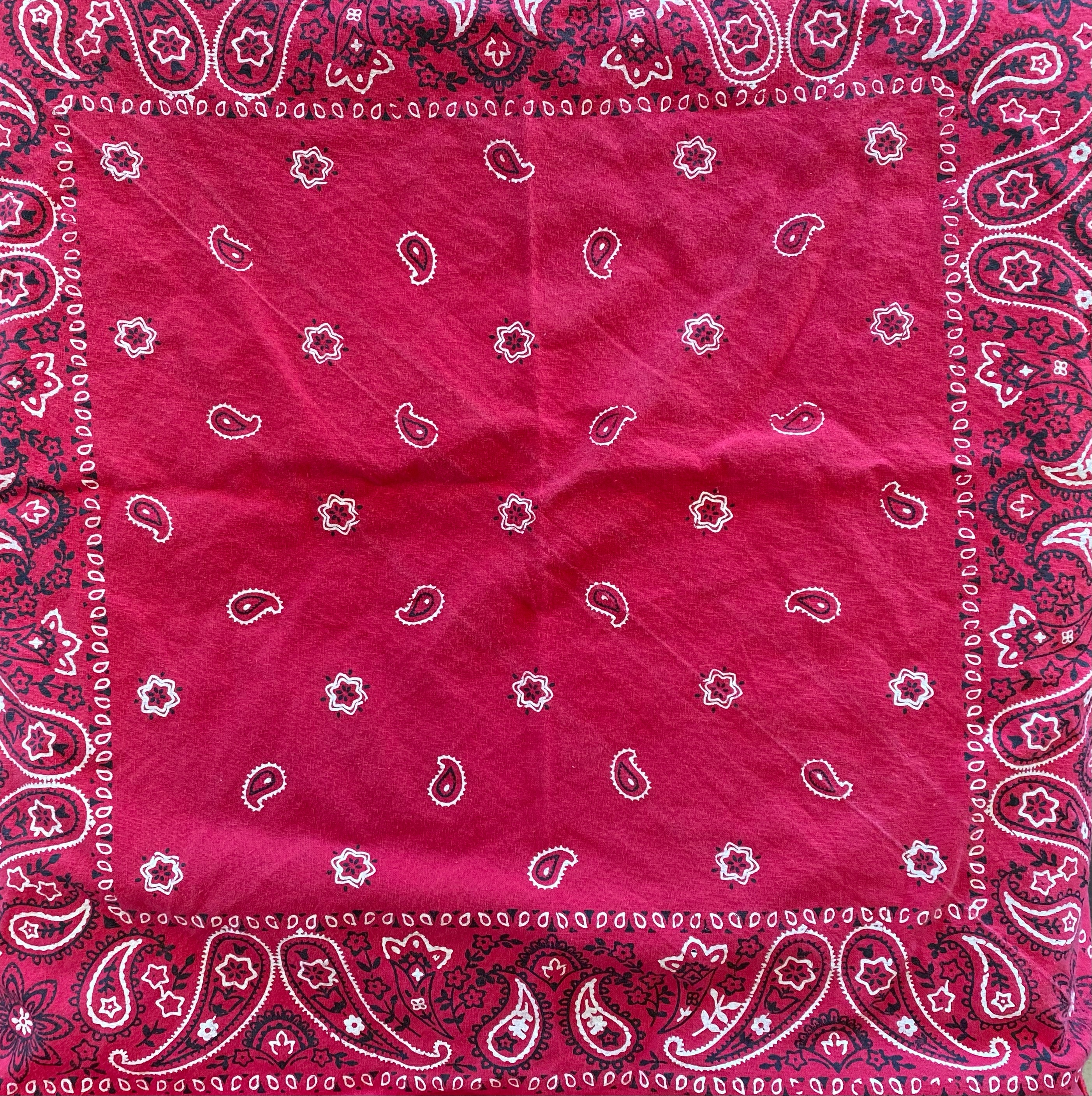
The Battle of Blair Mountain reminds us of the catastrophes of extractive capitalism, the power of labor organizing, and of the bravery of ordinary people who made a remarkable stand against tyranny. The bandana that miners wore to identify themselves—a scarlet cloth that branded them as rednecks—remains a symbol of resistance. In recent years, West Virginians, ranging from activists who saved Blair Mountain’s battlefield from destruction by surface mining to teachers striking for fair wages and adequate benefits, have adorned the cloth. By doing so, these groups carry forward the courageous spirit—while simultaneously affirming the legacy—of the miners who marched on Blair Mountain.
 Learn More:
Lindsay Graham. "American History Tellers." Season 27: "Coal Wars," 2020.
Anne T. Lawrence. On Dark and Bloody Ground: An Oral History of the West Virginia Mine Wars. Morgantown: West Virginia University Press, 2021.
Charles Kenney. The Road to Blair Mountain: Saving a Mine Wars Battlefield from King Coal. Morgantown: West Virginia University Press, 2021.
David Alan Corbin. Life, Work, and Rebellion in the Coal Fields: The Southern West Virginia Miners, 1880-1922. Champaign: University of Illinois Press, 1989.
David Alan Corbin, ed. Gun Thugs, Rednecks, and Radicals: A Documentary History of the West Virginia Mine Wars. Oakland: PM Press, 2011.
James Green. The Devil is Here in These Hills: West Virginia’s Coal Miners and Their Battle for Freedom. New York: Grove, 2016.
Lon Savage. Thunder in the Mountains: The West Virginia Mine War, 1920-21. Pittsburgh: University of Pittsburgh Press, 1990.
Lon Savage and Ginny Savage Ayers. Never Justice, Never Peace: Mother Jones and the Miner Rebellion at Paint and Cabin Creeks. Morgantown: West Virginia University Press, 2018.
Rebecca Bailey. Matewan Before the Massacre: Politics, Coal, and the Roots of Conflict in a West Virginia Mining Community. Morgantown: West Virginia University Press, 2008.
Robert Shogan. The Battle of Blair Mountain: The Story of America’s Largest Labor Uprising. New York: Basic, 2004.
Raymond Tyler and Summer McCliton. Black Coal and Red Bandanas: An Illustrated History of the West Virginia Mine Wars. Oakland: PM Press, 2024.
The Mine Wars. Directed by Randall MacLowry. PBS, 2016.
William Blizzard. When Miners March. Wess Harris, ed. Oakland: PM Press, 2010.
West Virginia Mine Wars Museum. Matewan, West Virginia.


