
In 1551, Ōuchi Yoshitaka peered into a well at Taineiji and saw no reflection. According to lore, its waters would not mirror those who were about to die.
And so, it ended. His journey to the well had not been easy. Yoshitaka fled his mansion with family members, loyal followers, and court nobles. His mother, too old to travel, was left behind. After a long and perilous journey, Yoshitaka and his retinue reached the coast and prepared to sail for either Korea or Kyushu. But strong winds drove them back to Taineiji, where, surrounded by their enemies, they would die.
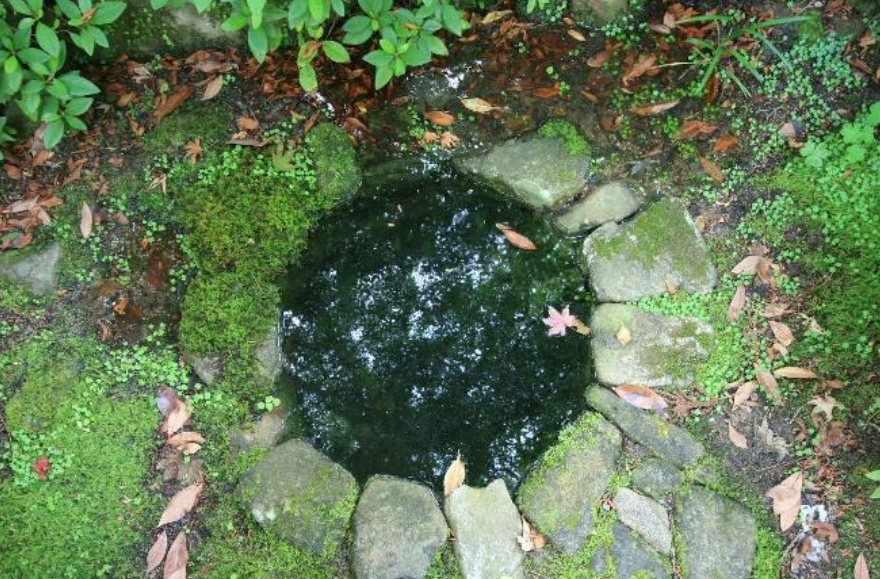
It was not supposed to end this way.
Yoshitaka had been the greatest lord of his day. The Ōuchi were powerful lords of western Japan, controlling crucial ports and harbors. In Yoshitaka’s lifetime, they held not only military power but also high court rank. This meant that they could communicate with the Japanese emperor and justify actions in his name.
Japan still had a shogun, but Yoshitaka outranked him and entirely overpowered him. In addition, he maintained tallies that allowed him to monopolize trade with Ming China and Chosŏn Korea. Most remarkably, Yoshitaka decided to make Yamaguchi, his own city, Japan’s capital.
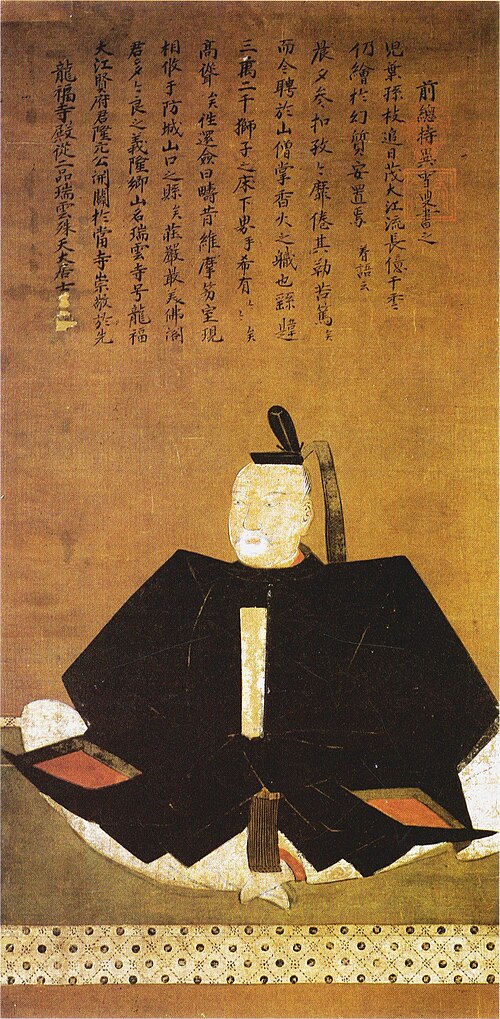
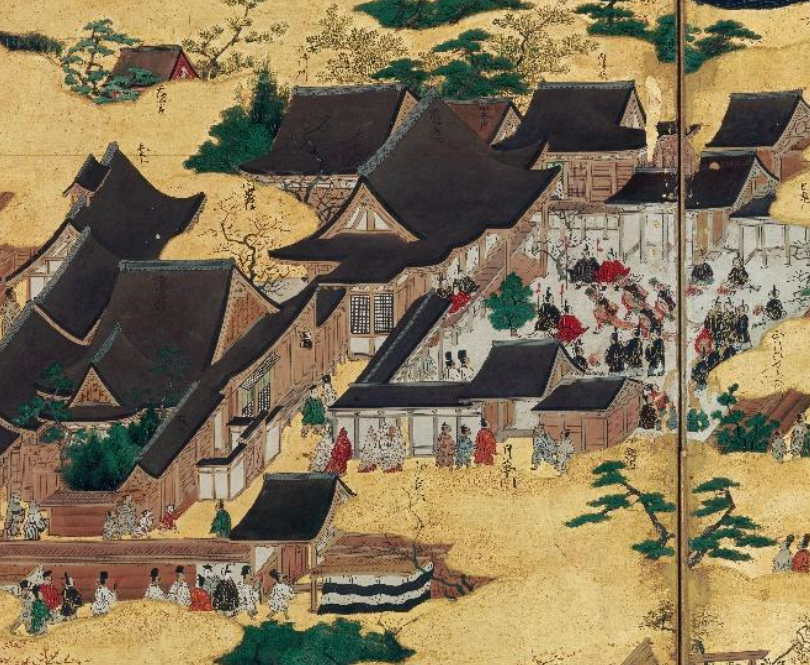
With such authority, Yoshitaka embarked on an audacious plan: to bring the emperor himself to Yamaguchi. Officially, he aimed to “revitalize the sechie,” the New Year ceremony in which the emperor proclaimed the calendar. In fact, it was a bid to shift the political center of Japan westward. He had long funded this ceremony in Kyoto; now he intended to host Emperor Go-Nara in Yamaguchi.
The emperor had not yet arrived, but the court had already begun to gather in Yamaguchi. Even low-ranking craftsmen responsible for building temporary structures integral to these rites were present.
Others came to Yamaguchi as well. Francis Xavier and his companions, arriving from Goa, were described by the Japanese tenjikujin, “men of India.” In Yoshitaka’s time they were thought to be Buddhist monks seeking to restore the Dharma—knowledge of Christianity would come later. Xavier, too, regarded Yoshitaka as a king, whose authority and patronage would be essential for establishing the Catholic Church in Japan.
Yoshitaka’s wealth underpinned his ambitions. He controlled major silver and copper mines, supplying much of the silver Japan exported to Ming China. Near his residence, metalworkers experimented with new alloys. In cooperation with Emperor Go-Nara, he even pursued plans to expand mining across Japan, hoping to restore the court’s former prosperity through increased revenue.
Such boldness led to opposition.
Mine operators in Iwami feared displacement by Yoshitaka’s new ventures. In Japan, the powerful warlord Miyoshi Nagayoshi opposed any relocation of the capital and disdained court ritual. To the west, Ōtomo Sōrin worked to undermine the Ōuchi and supplant their rule. Amid this tension, Xavier appears to have served as a conduit between Ōuchi dissidents and Ōtomo Sōrin.
Most dangerous of all were the Naitō, members of Yoshitaka’s own maternal family. Nursing past grievances and drawn to Xavier’s “new Buddhist” teaching, they played a decisive role in the sudden rebellion.
Soon, Yamaguchi burned. Yoshitaka was unexpectedly betrayed by his in-laws and fled, but storm winds forced his return. At Taineiji there was no escape.
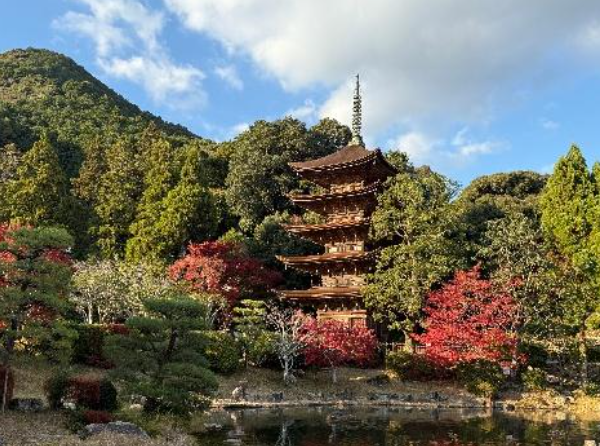
The aftermath was brutal. In a desperate attempt to halt further bloodshed, Yoshitaka was forced to take his own life. He did so in the hope that his son and others would be spared. Instead, the rebels slaughtered not only his consorts and young children, but also court nobles—an atrocity that shocked contemporaries.
The shrine official, Yoshida Kanemigi, wrote, “It is most outrageous that anyone would do such a thing. So terrible.” He noted as well, “This was the first time a regent had been violently killed.”
The violence did not end there. Yoshitaka’s officials were hunted down even in their absence. Sagara Taketō, a key figure in mining reform, was killed along with his family.
After the coup, Yoshitaka’s cousin, Yoshinaga—himself of Ōtomo descent—attempted to stabilize the region. Despite receiving the final “King of Japan” seal from the Ming, he failed to restore trade. The conspirators fell into factional conflict and ultimate extinction. The shrine official Kanemigi believed that Yoshitaka’s vengeful spirit brought about their ruin, and he considered enshrining him as a deity to pacify it.
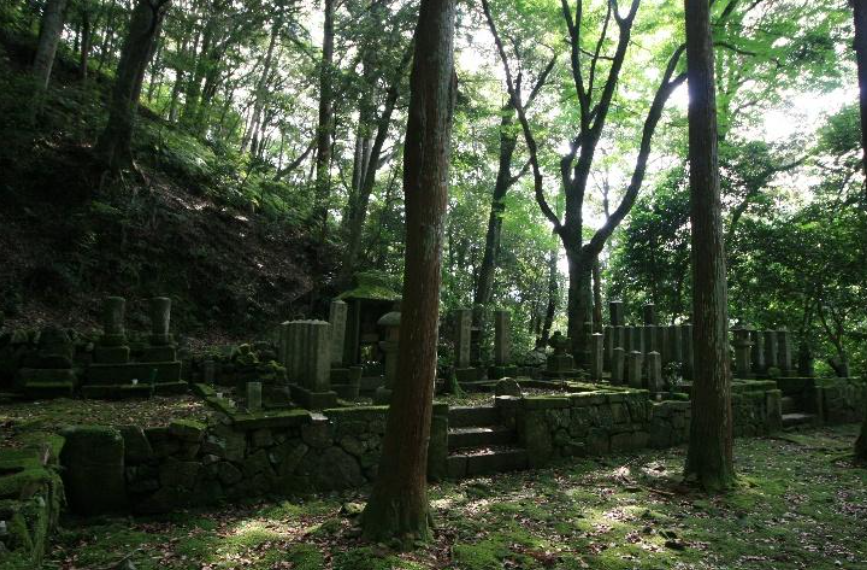
Yamaguchi burned three times. By 1557, the plotters were gone, but the damage was irreversible. Japan descended deeper into civil war. Trade faltered as the Ming envoy, Zheng Shungong, arrived seeking the missing “King of Japan.” The court, deprived of wealth and courtiers, declined further. When Emperor Go-Nara died in 1557, Miyoshi Nagayoshi left his body unburied for months under the summer sun.
In the political vacuum left by the Ōuchi collapse, competing powers struggled to control overseas trade. Piracy surged and regional warlords battled for supremacy. One of them, Oda Nobunaga, seized Kyoto in 1568, ended the Ashikaga shogunate in 1573, and attempted to build a new order. Yet he, too, fell to betrayal in 1582.
Only later would Toyotomi Hideyoshi reunite the country, bringing about a fragile peace after decades of war. That peace, briefly interrupted in 1600 and 1615, would endure under the Tokugawa shogunate (1603-1867).
Thereafter, the glory of the Ōuchi—of Yamaguchi as a cosmopolitan trading center—faded into memory.

Learn More:
Arnesen, Peter Judd. The Medieval Japanese Daimyō: The Ōuchi Family’s Rule of Suō and Nagato. New Haven: Yale University Press, 1979.
Conlan, Thomas D. Kings in All but Name: The Lost History of Ōuchi Rule in Japan, 1350-1569. New York: Oxford University Press, 2024. https://doi.org/10.1093/oso/9780197677339.001.0001
Conlan, Thomas D. Samurai and the Warrior Culture of Japan, 471-1877: A Sourcebook. Indianapolis: Hackett Publishing Company, 2022. https://hackettpublishing.com/samurai-and-the-warrior-culture-of-japan-471-1877
Conlan, Thomas D. "The Failed Attempt to Move the Emperor to Yamaguchi and the Fall of the Ōuchi." Japanese Studies 35, no. 2 (September 2015): 1-19. https://www.tandfonline.com/doi/full/10.1080/10371397.2015.1077679
Harding, Christopher, ed.. Oxford Illustrated History of Japan. Oxford: Oxford Univeristy Press, forthcoming.
Matsuoka Hisatō. “The Sengoku Daimyo of Western Japan: The Case of the Ōuchi,” Japan before Tokugawa: Political Consolidation and Economic Growth, 1500-1650. Edited by J.W. Hall, N. Keiji, K. Yamamura, 64-100. Princeton: Princeton University Press, 1981.
Smits, Gregory. The Ryukyu Islands: A New History from the Stone Age to the Present. Chicago: University of Chicago Press, 2025.


