… alone. In subsequent days, other supplies would follow: food, fuel, ammunition, spare parts, medicine, maps, … industries or companies that support them, eat processed food from fertilizer-fed fields (and cover left-overs in …
… shortage, with world rice prices doubling and violent food protests erupting across the globe. Pastoral livestock … Australia's 22 or so million people could produce enough food for 70 million people—and food exports became a cornerstone of the economy. The Snowy …
… has long fed Nairobi with staple commodities and prepared foods, particularly in the 1990s, but they stood in the way … countries, Kenya is no longer self-sufficient in terms of food production. The World Bank's focus on exports intended … debts has left many farmers dependent on cash-bought food, and damaged Kenya's already weak governmental …
… immigrant labor is undeniable. Especially in agriculture, food processing, construction, and service industries, … come because they “worried that their children didn’t have food on the table.” He even went so far as to assert that …
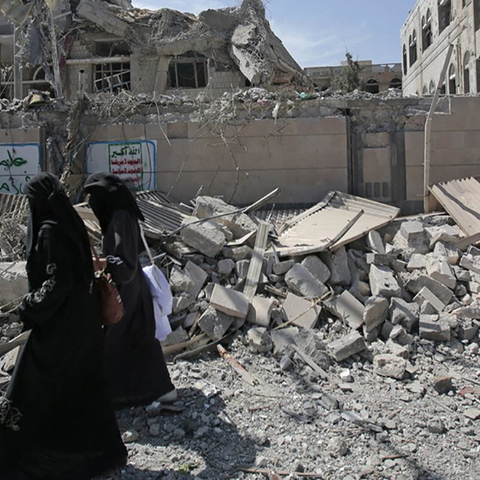
… has introduced increased deprivation in terms of access to food and fuel. When you have conflict with these key ports, it's not that they don't have access to food, but it's distributing food, humanitarian aid, fuel, etc. You have all these …
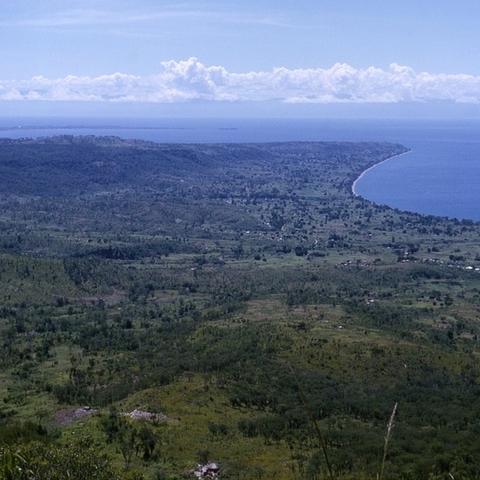
… in Livingstonia occurs at a small market. Traders sell food and other groceries, not luxuries, and barbershops do a … Malawi. In the Livingstonia region, the staple food of the people in is nsima, a hard porridge eaten with …