
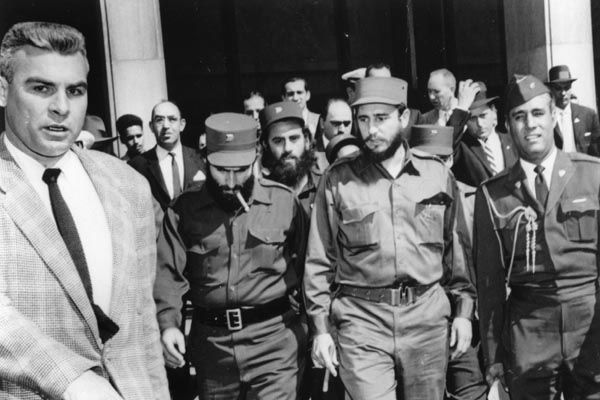
Tensions between Cuba and the United States are running high again. And not for the first time. This month, Jameson Genest argues that for nearly a century, and certainly before the revolution of 1959, the United States has struggled to figure out how to interact with, or intervene in, the Caribbean nation.
More than six decades after the Cuban Revolution, the island remains governed by the political regime that emerged in 1959. Unlike other Cold-War-era regimes that collapsed or liberalized, Cuba’s revolutionary state has endured.
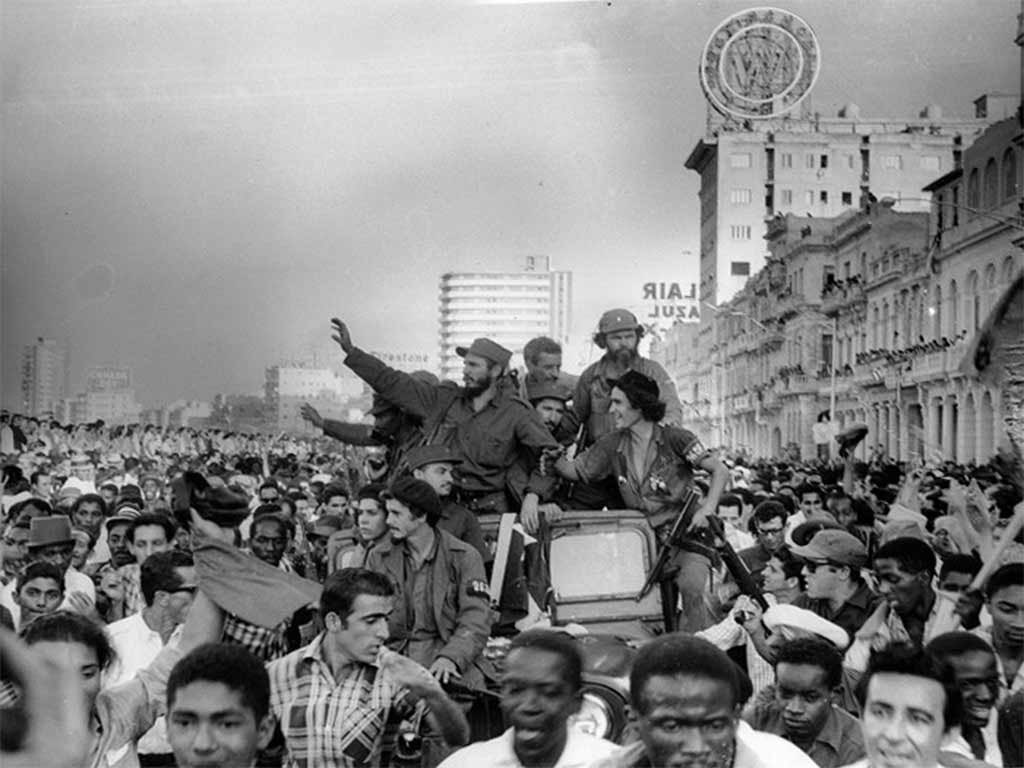
Explanations for this endurance often focus on internal factors like ideology or repression. Less attention has been paid to international conditions, particularly the way American intervention and its sudden withdrawal reshaped Cuban politics long before Castro came to power.
The Revolution of 1933
To most people, the Cuban Revolution conjures images of bearded men in fatigues at the height of the Cold War. The truth is that the events of 1959 grew out of an earlier, lesser-known Cuban revolution in 1933.
At that time Cuba was ruled by President-turned-dictator Gerardo Machado. Elected as a liberal reformer, Machado pursued an ambitious modernization campaign centered on “water, roads, and schools,” but economic crisis and growing political repression eventually turned much of the country against him.
In 1933, due to increasing levels of political violence, Franklin D. Roosevelt sent ambassador Sumner Welles to Cuba to help negotiate a resolution to the crisis. With the loss of American support and under direct pressure from Welles, Machado resigned later that year.
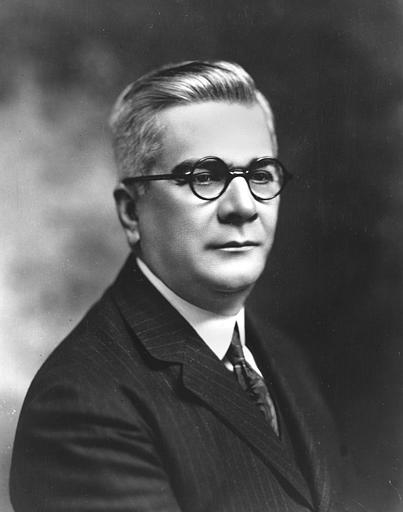
After Welles orchestrated the appointment of his ally Carlos Manuel de Céspedes to the presidency, a revolt led by sergeant Fulgencio Batista ousted the new Cuban head of state. Welles pleaded for a show of American force or outright intervention, but in keeping with Roosevelt’s Good Neighbor Policy, which emphasized nonintervention in Latin America, the answer he received from the State Department was “strict neutrality.”
Welles ignored Washington’s policy directive. When Batista’s regime allowed the installation of a civilian president, Ramon Grau, Welles attempted to paint Grau as a communist and did everything he could to withhold official recognition.
Grau, a physician and popular university professor, became associated with the nationalist movement that emerged from the upheavals of 1933 and later evolved into the Cuban Revolutionary Party, better known as the Auténticos. By 1934, Batista had forcibly removed Grau from office and presided over the appointment of another powerless president.
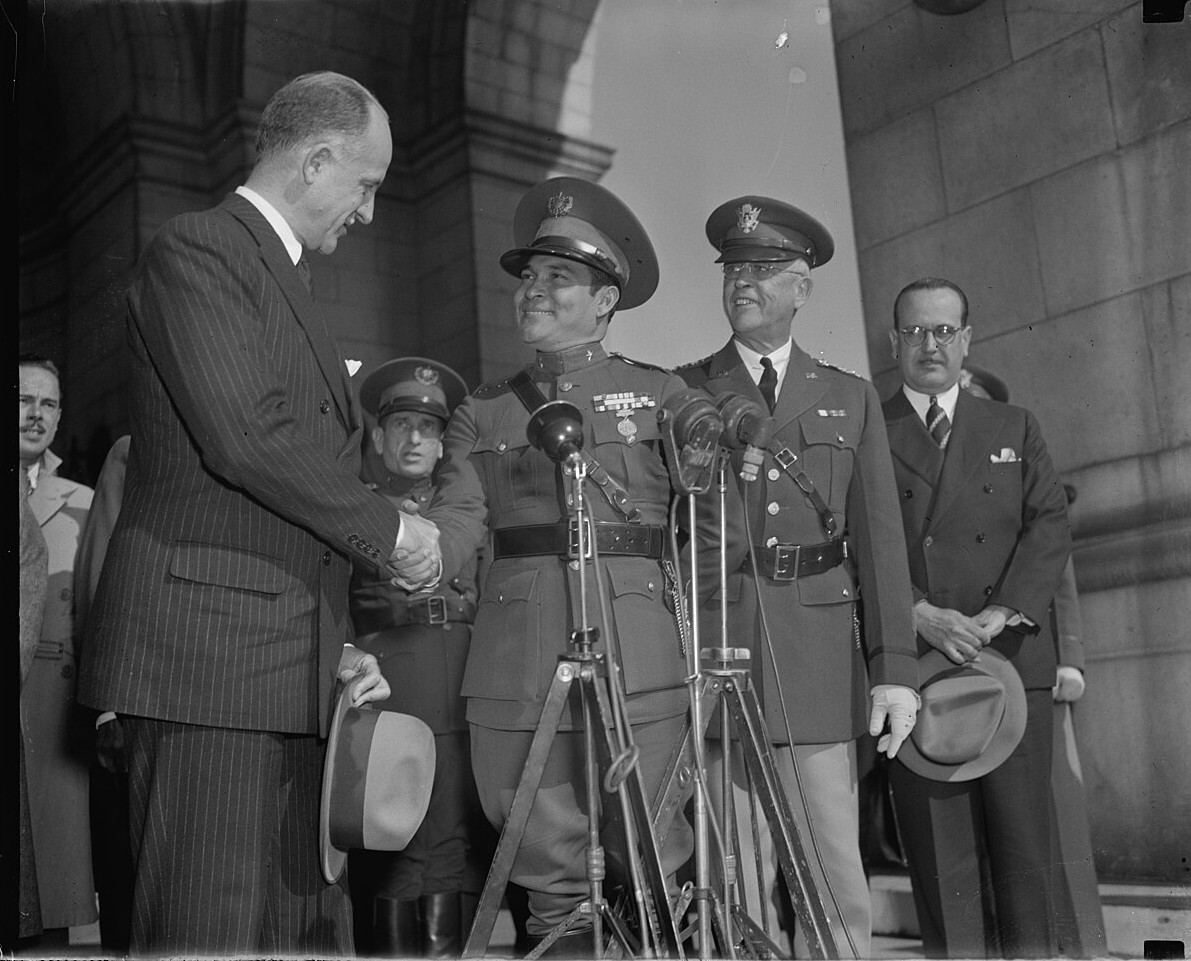
Welles and the State Department quickly recognized this new government. This sudden change in course allowed Batista to assume a leadership role he inhabited until Fidel Castro’s revolution in 1959.
In 1934, Welles was replaced by Jefferson Caffery, who shared many of Welles’ views on intervention. From 1934 to 1937, Cuba had a string of powerless presidents, some serving for mere days, who were all either impeached by congress or resigned, leaving a minister or vice president as successor. Batista still wielded much of the political power on the island, and he enjoyed Washington’s full support.
While Caffery paid lip service to free elections, he consistently supported Batista, as he was a stabilizing force and beneficial to American business interests. In 1937, Caffery was replaced by J. Butler Wright, who was less personally invested in the Cuban conflicts than his two predecessors had been. Wright was committed to nonintervention, and he was generally consistent with his stated principles.
Laredo Bru became president upon the impeachment of José Gómez in 1937, and after several years of vacillation and uncertainty, the Roosevelt administration recognized the new president. The economic situation in Cuba had not gotten any better, and Cuban treasury officials were now incapable of repaying the debts incurred by the public works programs of the Machado government.
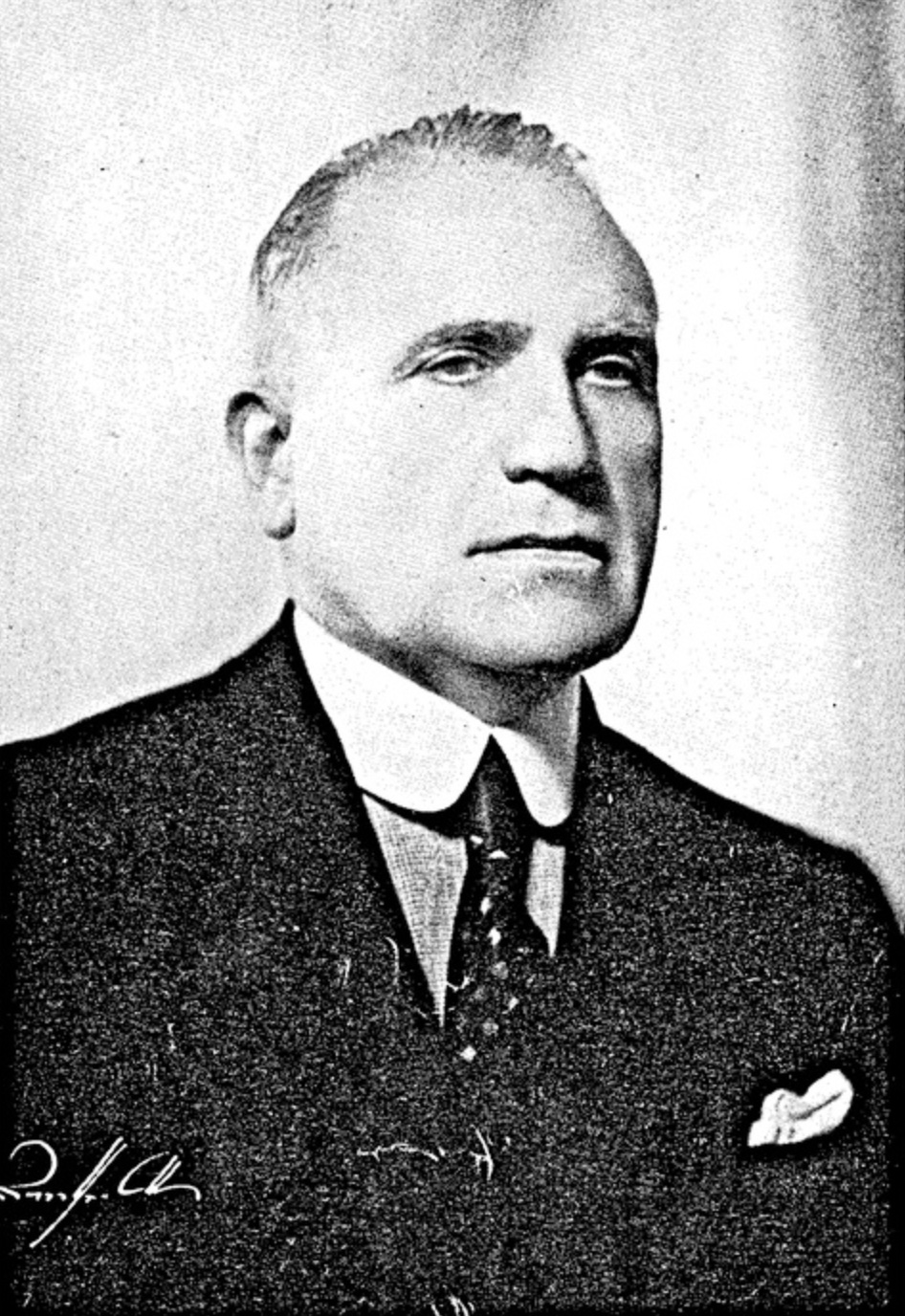
This debt problem was compounded by the collapse of sugar prices during the Great Depression, which further devastated the Cuban economy, worsening unemployment and deepening social unrest. Finally, in 1940 the U.S. and Cuba signed a new reciprocity treaty to alleviate the burden caused by the breakdown in trade.
The situation that developed placed oligarchs and government officials, alongside the American business class, in positions of power, while the average Cuban hoping to improve his status sank lower as the economic crisis continued. The disenchantment created an atmosphere of constant discontent and rebellion. Batista, for the most part, kept these forces at bay.
The Promise of Democracy
Cuba seemed to be coming into its own by 1940. The dark years of the Machado dictatorship and the chaos of the provisional governments were fading into memory, along with the growing pains of military intervention.
The biggest change was the abrogation of the hated Platt Amendment, which Cuba had been forced to adopt as a condition of its independence in 1902. It stipulated, among other things, that the United States reserved the right to intervene in Cuban affairs if necessary. Perhaps most promising of all was Cuba’s new constitution.
Many Cuban old-timers still speak with pride of la Constitución del cuarenta. The Constitution of 1940 established a representative system laid out in a detailed 286-article framework.
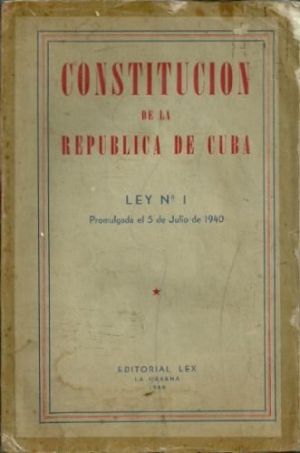
It included some of the most progressive social reforms of its time, including minimum wage, land reform, and public education. It created a hybrid system with a prime minister and significantly reduced presidential power. The constitution also prohibited immediate presidential reelection to avoid dictatorship. In 1940 former revolutionary Fulgencio Batista ran for president for the first time.
He handily defeated Ramon Grau.
When Batista took office, it marked Cuba’s first peaceful transition of power since the election of Gerardo Machado in 1930. Many have called the succeeding years Cuba’s most democratic epoch. Expanded sugar markets caused by the Second World War helped ease the financial burden, and soon Cuba was on its way to full financial recovery.
With their man in power in Cuba, the U.S. State Department largely turned its attention toward Europe. In 1944, Grau defeated Batista’s handpicked successor, and to everyone’s surprise, Batista quietly slipped out of public view.
The promise that Grau had shown in his earlier stint as president disappeared quickly. Whether or not he was personally corrupt cannot diminish the fact that he presided over one of the most corrupt administrations in Cuban history. Instability followed as opposition student groups turned against each other, and Grau alienated almost all sectors of society save his own supporters.
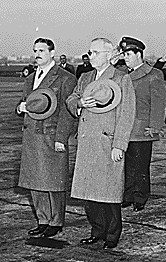
Carlos Prío succeeded Grau as president in 1948. Prío was strongly pro-American, though he had once held more radical views, and his administration, like Grau’s, soon became mired in corruption and incompetence. While corruption was often tolerated within this more open political system, economic instability was less easily endured.
The promises of the 1940 Constitution proved insufficient for many Cubans, as labor unrest and unemployment persisted, much of it tied to the island’s dependence on sugar.
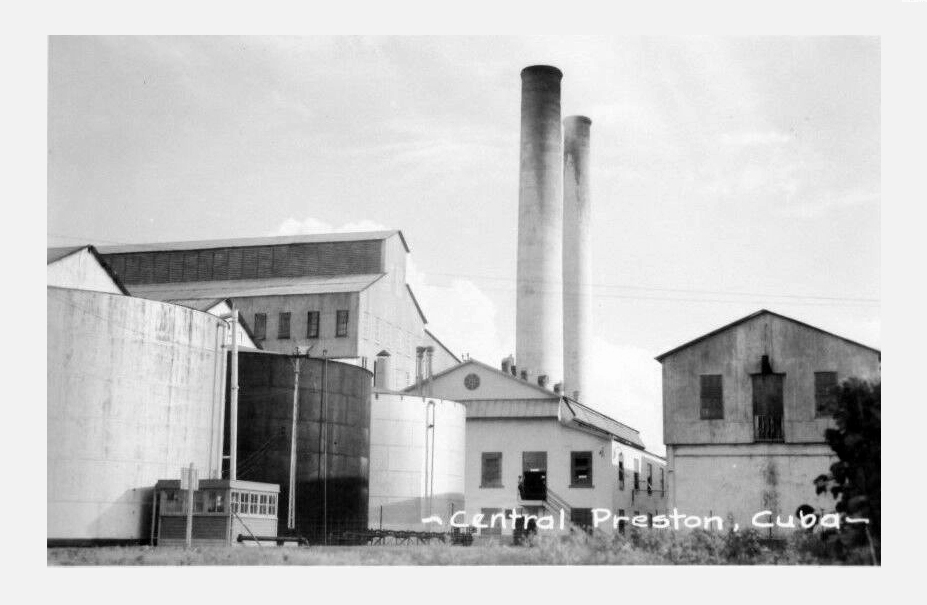
Sugar was a seasonal crop, and this meant that up to a third of the country was out of work during the off-season. The economy of the island had still not developed beyond sugar monoculture, even as the country neared its fiftieth year since independence. Sugar prices remained high during the war, but postwar adjustments exposed deeper structural weaknesses.
American policy tended to reinforce Cuba’s dependence on sugar, and therefore on the United States. The 1948 Sugar Act, passed by the U.S. Congress, further entrenched Cuba in the sugar industry by guaranteeing high-priced quotas in American markets. While this helped provide stability to the sugar market for Cuba, it did not address the deepening unemployment problem.
In a secret statement issued in 1950, the State Department explained, “[W]e shall discourage whenever possible the creation or expansion of industries in Cuba, the existence of which is dependent on a degree of protection injurious to foreign trade and the interests of the Cuban consumer.”
Batista’s Return and the Rise of Castro
By 1952, Prio had become so unpopular that it was evident his party could not win the coming election. Instead, the Auténticos ran Carlos Hevia as their candidate. Hevia had formerly held the position of president for less than 48 hours. The opposing party, the newly formed Orthodoxo party, nominated Roberto Agramonte. Agramonte was expected to win easily. Batista, who had returned to national politics by winning a senate seat in 1950, entered the race as a third-party candidate.
Facing a loss, Batista led a coup on March 10, 1952, once again toppling democratic governance in Cuba. Immediately he ordered the resignation of president Prio, who fled in disgrace. A substantial segment of the populace welcomed the return of Batista even if by extra-legal means.
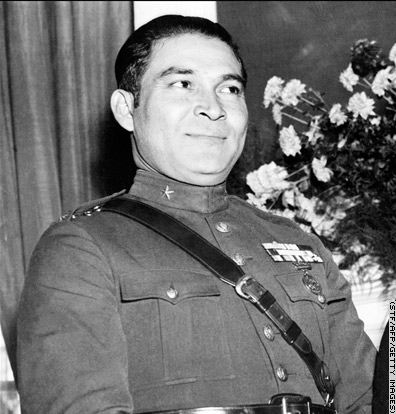
With Roosevelt’s death and Truman’s rise to the presidency, the Good Neighbor Policy began to give way to a more pragmatic approach that prioritized stability over constitutional considerations in Cuba.
The State Department had come to see Batista as a stabilizing force and recognized his government within two weeks of the coup despite the extra-legal nature of his return to power.
Having learned the lesson of the early Grau administrations, Batista began to reverse position on some of the more progressive policies he had championed in the 1930s. This was mostly an attempt to curry favor with the U.S. government, which in the early years of the Cold War was increasingly wary of anything that looked left of center in foreign governments.
Some of these changes included outlawing the Cuban Communist Party, establishing closer ties with other authoritarian anti-communists like Francisco Franco, and pursuing economically liberal policies at the expense of some of the gains workers had made in the 1940s. Cuban wages increased overall, but high unemployment rates persisted.
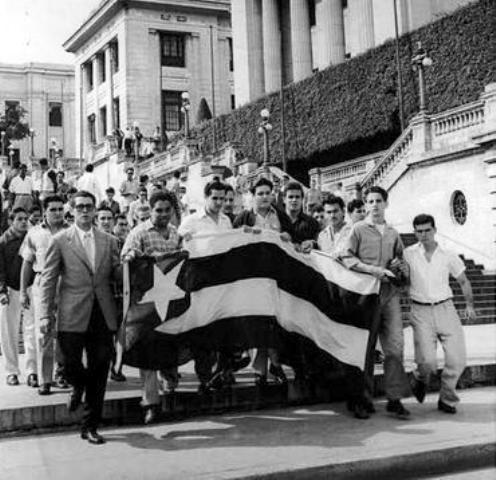
In 1954, Batista won an election no one thought he could lose and immediately began to consolidate his influence by cracking down on opposition groups. The scene was much like what had occurred during the Machado era in the 1930s, but this time U.S. confidence in Batista outlasted that of the Cuban people.
During this time a young lawyer named Fidel Castro, famous for staging an attack on the Moncada military barracks in 1953, began to amass a following while in exile in Mexico.
By the late 1950s, Batista’s government was increasingly associated with corruption, censorship, and political violence. State repression and harsh methods, including torture, began to alienate many Cubans. The limited economic growth benefited elites and those involved in organized crime while failing to resolve deep inequalities and unemployment.
This era saw the formation of many armed opposition groups, which expanded their activities in both the cities and the countryside. Confidence in Batista’s ability to maintain stability waned, and the U.S. State Department began to rethink its pro-Batista position.
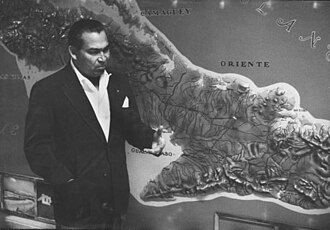
In 1956, Castro and fewer than one hundred men making up his July 26th movement landed on a beach in the eastern Oriente Province. Some of their funding came from the exiled former president Prio still hoping to topple Batista. After brief fighting, the men scattered into the Sierra Maestra mountains having seemingly failed in their mission. Batista declined to pursue them, claiming, “No one survives la Sierra Maestra.”
Public opinion in the United States was greatly influenced by the work of New York Times correspondent Herbert L. Matthews. Matthews visited Castro in the Sierra Maestra and published a series of articles including an interview with the revolutionary leader.
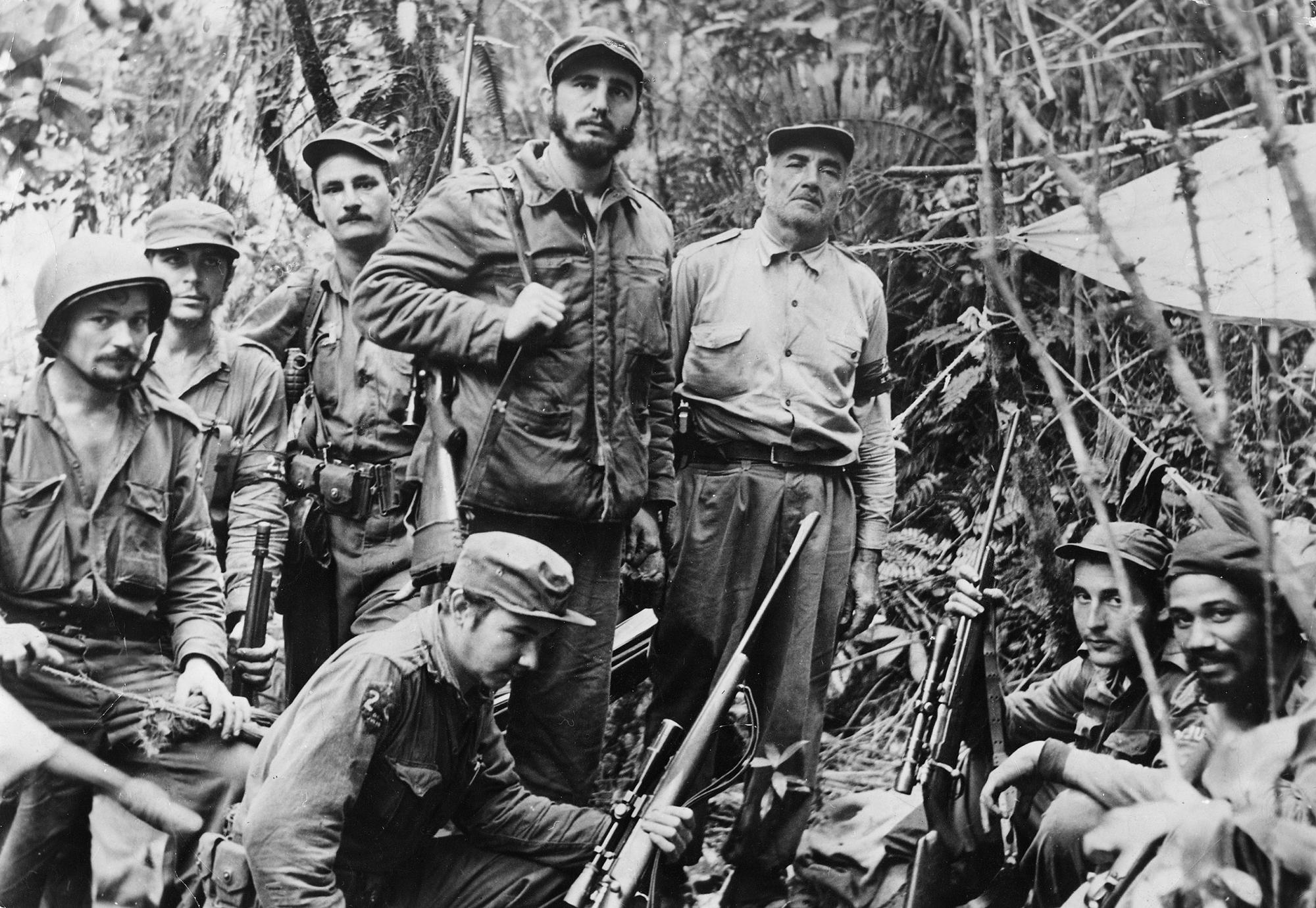
He portrayed Castro as an agrarian reformer, which endeared the rebel cause to many Americans who followed the news with interest. Matthews’ reporting legitimized Castro and strengthened his credibility, while undermining Batista by making his regime’s survival seem impossible.
Matthews’ articles didn’t just have a profound effect on public opinion; his work was closely followed by the State Department as well. In fact, he also repeatedly met with State Department officials in Cuba and assured them Fidel Castro was no Communist.
Despite these assurances from Matthews, many officials in Washington remained wary of Castro’s revolutionary nationalism and the unpredictability of his movement.
In 1957, Earl Smith was appointed ambassador to Cuba by President Dwight Eisenhower. Smith realized that Batista could no longer maintain order or broad public support, and along with other actors in the State Department, he began looking for an alternative to both Batista and Castro.
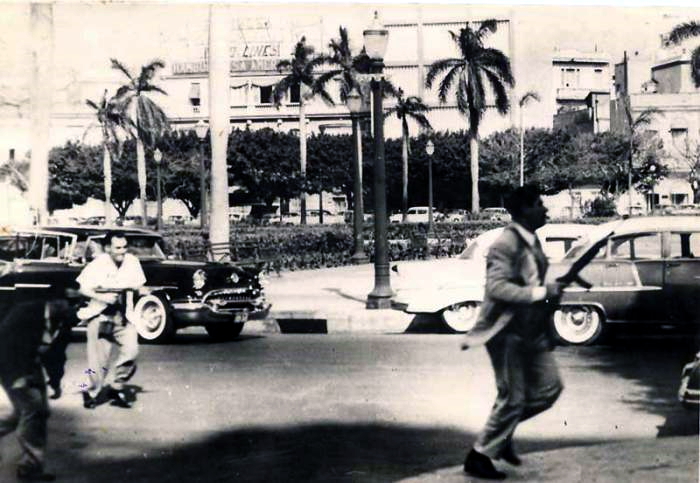
Starting in the spring of 1958, officials at State were increasingly convinced that Batista had to be replaced. Mounting pressure on Batista resulted in elections being set for November 1958. However imperfect the elections might be, they were preferable to instability and therefore worth supporting.
Smith’s position was far clearer than that of Washington, as he believed that even flawed elections were preferable to continued instability. When the elections were won by the Batista-supported candidate, the State Department informed the ambassador that no official recognition was forthcoming. Batista’s luck had run out.
Batista had reluctantly launched a major offensive against Castro’s men in the summer of 1958. Although the rebels initially requested a ceasefire, they soon regrouped in the Sierra Maestra, effectively nullifying the government’s gains.
Castro continued his guerrilla campaign and won a decisive victory at Guisa before launching a major offensive in December 1958. Rebel forces advanced westward, winning a series of battles until Batista fled to the Dominican Republic after government troops suffered a crushing defeat at Santa Clara.
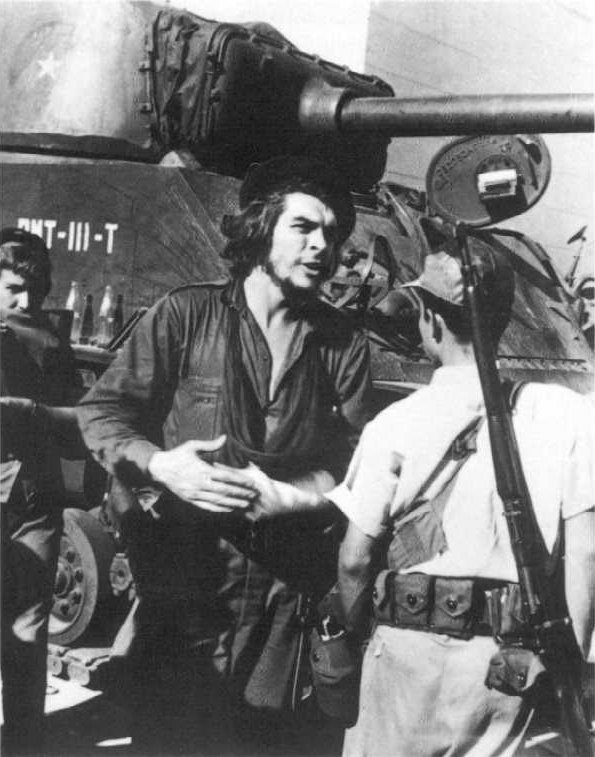
With the Revolutionaries approaching victory, the United States formally withdrew support for Batista, who fled the country on January 1, 1959. By January 6, the United States had officially recognized Castro’s new government.
The events of 1959 seemed like politics as usual for the State Department and Cuba. That proved not to be the case. The Castro regime solidified power unlike any other strongman in Cuban history. Perhaps learning from the mistakes of past Cuban executives, Castro chose to align himself with the Soviet Union and transformed Cuba into a nationalist communist state which exists in similar form today.
The Legacy of Intervention
Cuba isn’t exceptional, and the same pattern can be seen in states that have experienced prolonged or repeated American intervention. Democratic institutions are not strengthened by extended periods of foreign intervention.
Often, when a political system has been shaped by outside influence, stepping away does not restore balance. It simply shifts power within that system to whomever is most prepared to take it, and this lends itself to entrenched authoritarians taking hold.
The Revolution of 1959 represents a breakdown in the system the U.S. State Department had cultivated in its Cuban relations and in the Caribbean in general.
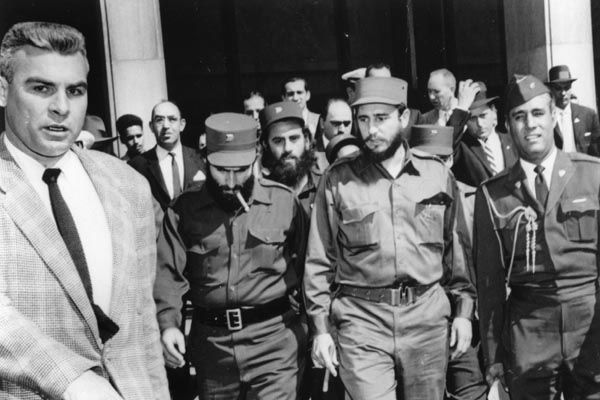
Having long shaped the political framework of the island, the United States could not simply withdraw without consequence. The abandonment of Batista functioned as implicit support for Castro. At the very least, the course reversal undermined the system created by intervention, and it quickly collapsed.
The result was the rapid consolidation of power under Castro, whose regime ultimately proved far more enduring than any of its predecessors. Cuba’s demise provides a stark lesson. Not only can intervention be problematic and wrought with unintended consequences, but ending it is often harder, and riskier, than beginning it.
Even now, Cuba continues to resonate in debates over how external powers disengage from political systems they once helped construct.
Pérez, Louis A. Cuba: Between Reform and Revolution. 3rd ed. New York: Oxford University Press, 2006.
Pérez, Louis A. Cuba and the United States: Ties of Singular Intimacy. 3rd ed. Athens: University of Georgia Press, 2003.
Gellman, Irwin F. Roosevelt and Batista: Good Neighbor Diplomacy in Cuba, 1933–1945. Albuquerque: University of New Mexico Press, 1973.
Whitney, Robert. State and Revolution in Cuba: Mass Mobilization and Political Change, 1920–1940. Chapel Hill: University of North Carolina Press, 2001.
Smith, Robert Freeman. The United States and Cuba: Business and Diplomacy, 1917–1960. New York: Bookman Associates, 1962.
Mazarr, Michael J. Semper Fidel: America and Cuba, 1776–1988. Baltimore: Nautical & Aviation Publishing Company of America, 1988.
Dur, Philip, and Christopher Gilcrease. “U.S. Diplomacy and the Downfall of a Cuban Dictator: Machado in 1933.” Journal of Latin American Studies 34, no. 2 (2002): 255–282.


