
As the United States marks the 250th anniversary of the Declaration of Independence historian Steven Conn looks back at three previous big birthday celebrations: 1876, 1926, and 1976. Each of those celebrations tells us as much about the country at particular moments in time as it does about 1776 itself.
2026 marks the Semiquincentennial of the United States, the 250th birthday of the nation.
(Or does it? The niggling historian might note that 250 years from 1776 marks the Declaration of Independence as the start of the United States, but, of course, in 1776 there was no United States. Or in 1786, for that matter. The Constitution, which created the legal framework for the nation, was written in 1787 and wasn’t finally ratified until 1788.)
But never mind. 1776 it is, and so on with the Semiquincentennial celebrations!
We’ve done this before. Three times already, in fact, the nation has marked a big birthday: in 1876, 1926, and 1976. And each time, those birthday parties served as opportunities for the nation to have public debates over the meaning not simply of the American past, but the American present.
So as Origins gears up for the Semiquincentennial, let’s review those three earlier birthday events to examine how the American past has been defined in different eras, who has done that defining, and how others tried to offer different versions of a usable past for the nation.
1876: The Centennial
Americans in all 38 states of the Union marked the Centennial with parades, speeches, and all manner of public events. But in 1876 the real action was in Philadelphia.
Philadelphians feel proprietary about 1776. The first Continental Congress assembled in Philadelphia in 1774, and Thomas Jefferson drafted the Declaration of Independence (with help from Benjamin Franklin) in the city in 1776. (Although July 4, 1776, was the date that the language of the Declaration was finalized, the vote for independence actually took place on July 2.)
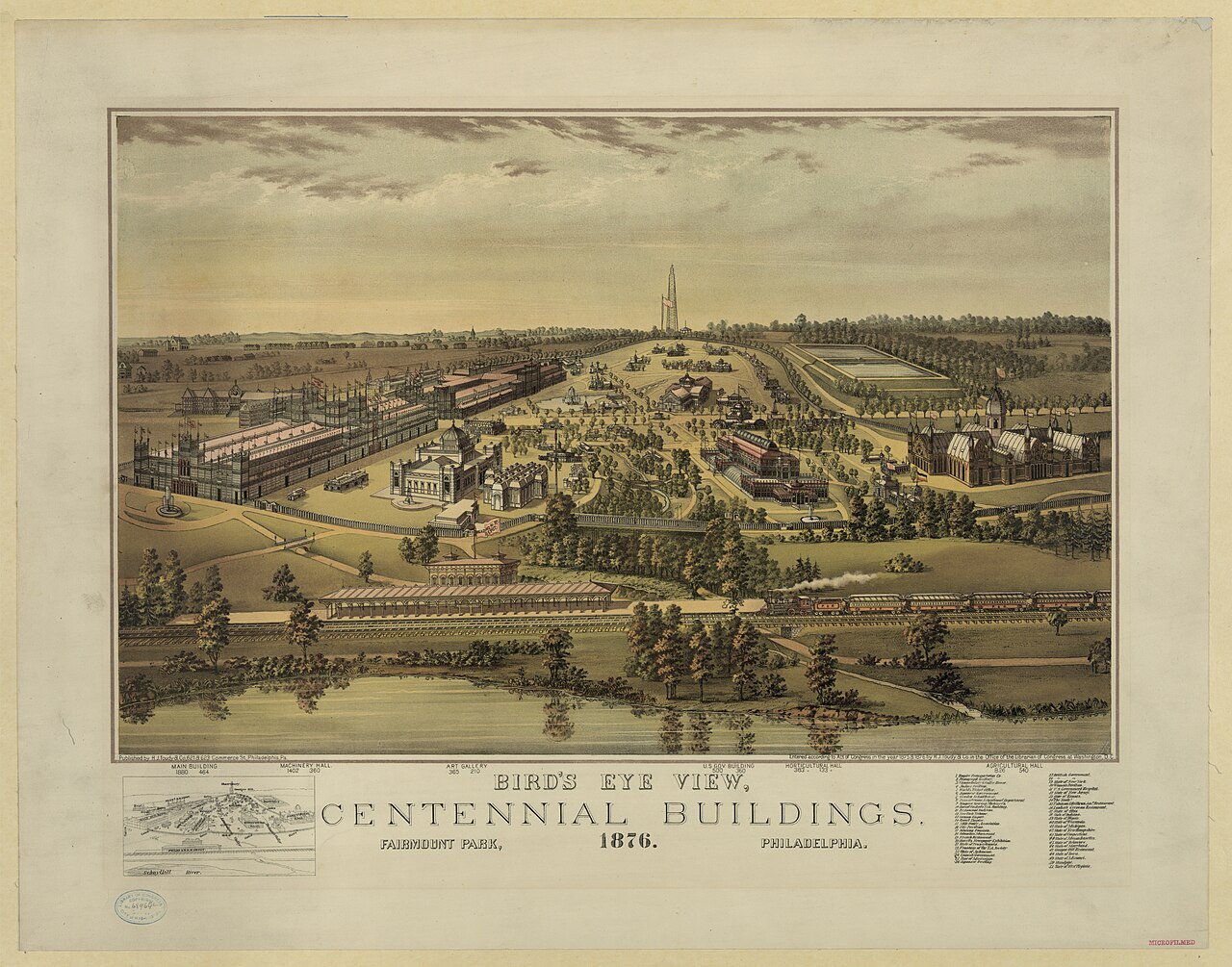
The city planned an enormous world’s fair to run through the summer of 1876, inspired by the Crystal Palace Exhibition held in London in 1851. The crowd that came to watch President Ulysses S. Grant and Brazilian Emperor Dom Pedro open the fair on May 10, 1876, was estimated to be the largest gathering of Americans in one place to that point in the nation’s history.
By the time the Centennial closed six months later, roughly 10 million people had paid the 50¢ admission fee—this when the population of the entire nation had not yet reached 50 million. They came from every state and from a number of foreign countries. More than 2,000 Californians signed a logbook to represent their state—3,000 hard miles away from Philadelphia.
What those millions saw once they cleared the turnstiles astonished them. The Centennial’s official name hinted at what was on offer: “The International Exhibition of Arts, Manufactures and Products of the Soil and Mine.”
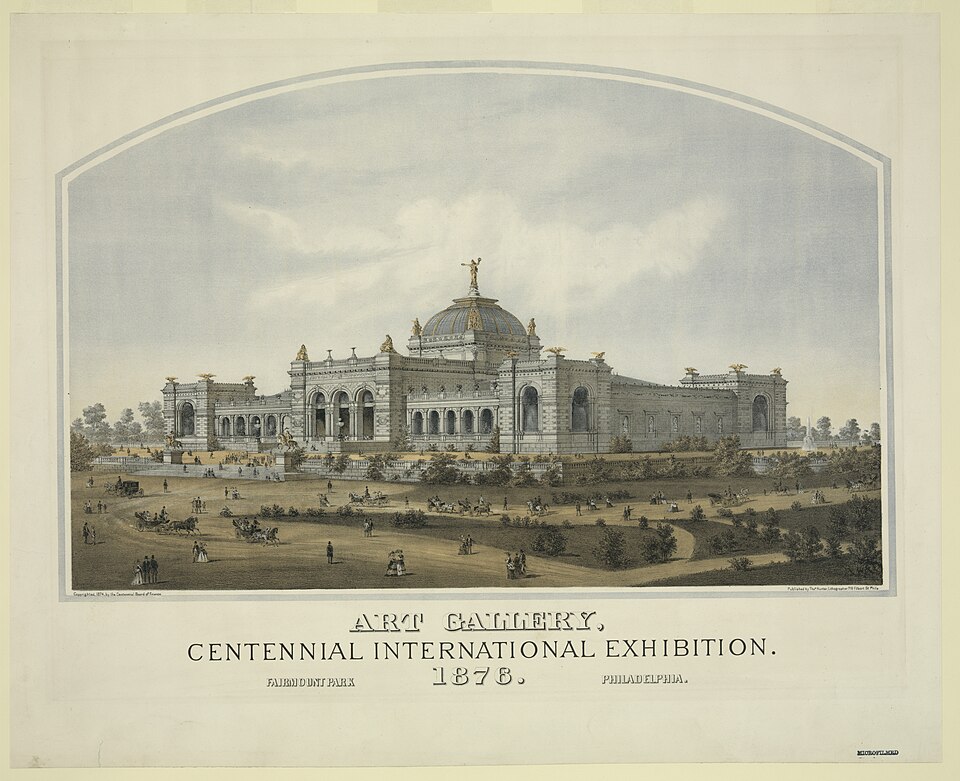
More than 200 buildings, set amidst a campus of 285 acres, traversed by seven miles of avenues and footpaths. Exhibits of almost every kind sponsored by individual states, by thirty other countries, and by private companies. Some visitors recorded that they left simply overwhelmed by it all.
1776, however, or the American Revolution more broadly, did not feature much in the pavilions and exhibits, though that was the ostensible excuse for the whole thing. While it is true that one soap company displayed a full-sized replica of the Liberty Bell (made of soap, of course), what visitors primarily saw was a vision of industrial progress.
The very latest farm machinery was on exhibit in Agricultural Hall; Alexander Graham Bell demonstrated the first version of his new telephone at the fair, and Thomas Edison competed by showing off his new telegraph system. If it all proved too exhausting, visitors could put Heinz Ketchup on a hot dog and cool off with a Hire’s Root Beer, both available for the first time at the Centennial.
It does not exaggerate things too much to say that the Centennial served as a six-month coming-out party for American industry. Not only did the fair show off to Americans all manner of new industrial inventions, but crucially the Centennial provided an opportunity to compare American advances against those presented by the major European industrial giants.

The entire fair was powered by a huge twin-piston steam engine, rising 45 feet and made by the Corliss company of Providence, RI. Rather than hide this 1,400-horsepower marvel, the fair’s planners put it in the middle of Machinery Hall for everyone to see.
“An athlete of steel and iron,” journalist William Dean Howells wrote, “the mighty walking beams plunge their pistons downward, the enormous flywheel revolves with a hoarded power that makes all tremble.” It was probably the most popular exhibit on the grounds.
The Centennial had a political goal in mind too.
Opening just a decade after the end of the Civil War, the Centennial had been planned as a place of national reconciliation, an opportunity for Americans and former Confederates to come together in a celebration of a shared history.
“No North, No South, No East, No West,” one Centennial slogan had it: “The Union One and Indivisible.” That sectional healing didn’t quite happen. Of the 13 states that had waged war against the Union, only Mississippi sent a delegation and an exhibit. The other 12 stayed home to nurse their Confederate grievances.
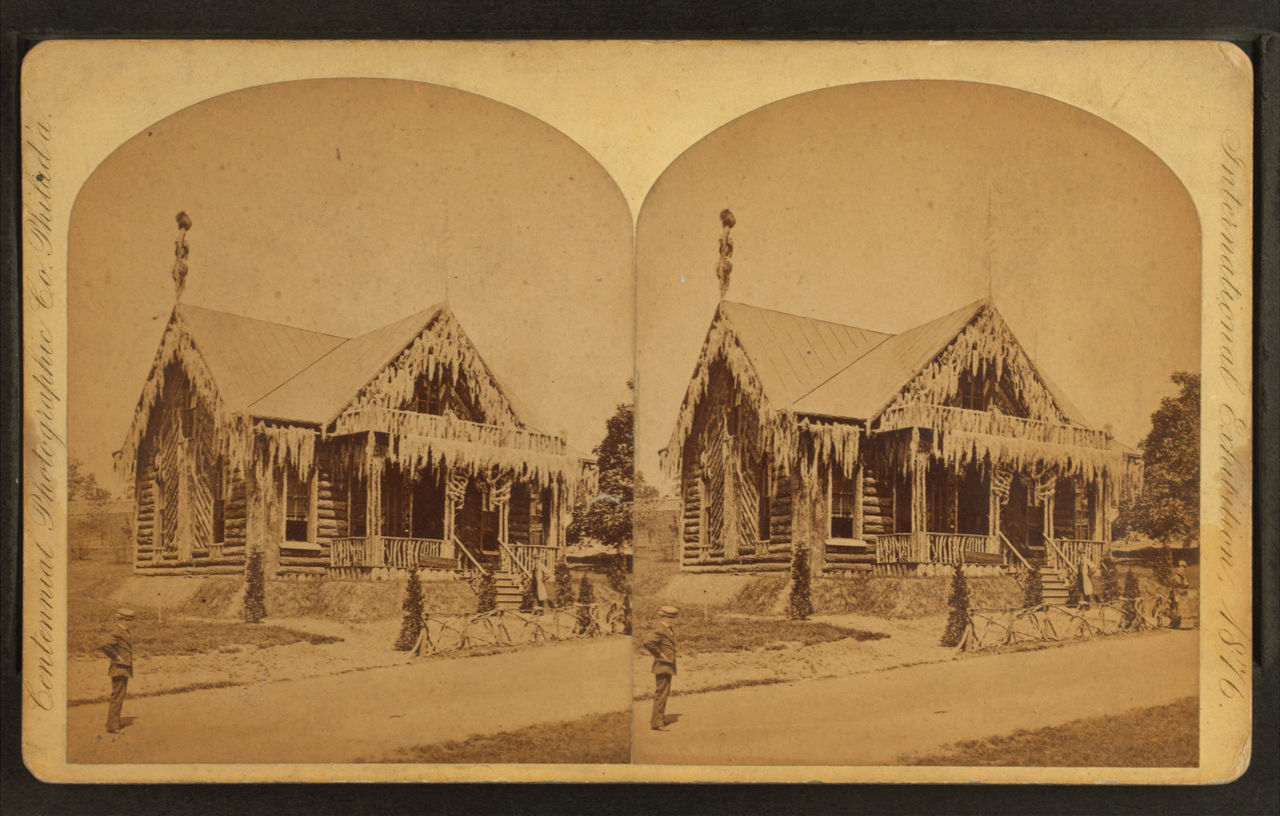
In truth, Southerners might have been more comfortable in Philadelphia than they imagined. Philadelphia had a substantial Black community in 1876, but they were largely ignored or excluded by fair planners.
More significantly, efforts to include Black America in any of the exhibitions were largely thwarted. In a particularly telling episode, when the painting Under the Oaks won a gold medal at the fine arts exhibition, judges tried to take the prize back upon discovering that its painter, Edward Bannister, was Black. Only when other artists rallied to Bannister’s support did they back down.
Besides, national reconciliation was on its way already. The Centennial closed on November 10, three days after the presidential election. “Disputed,” as it is often called, hardly does the election of 1876 justice. After a series of voting shenanigans, back-door meetings, and deal-making, the presidency was given to Rutherford B. Hayes. (He would be called “Rutherfraud” or “His Fraudulency” by the opposition press ever after.)
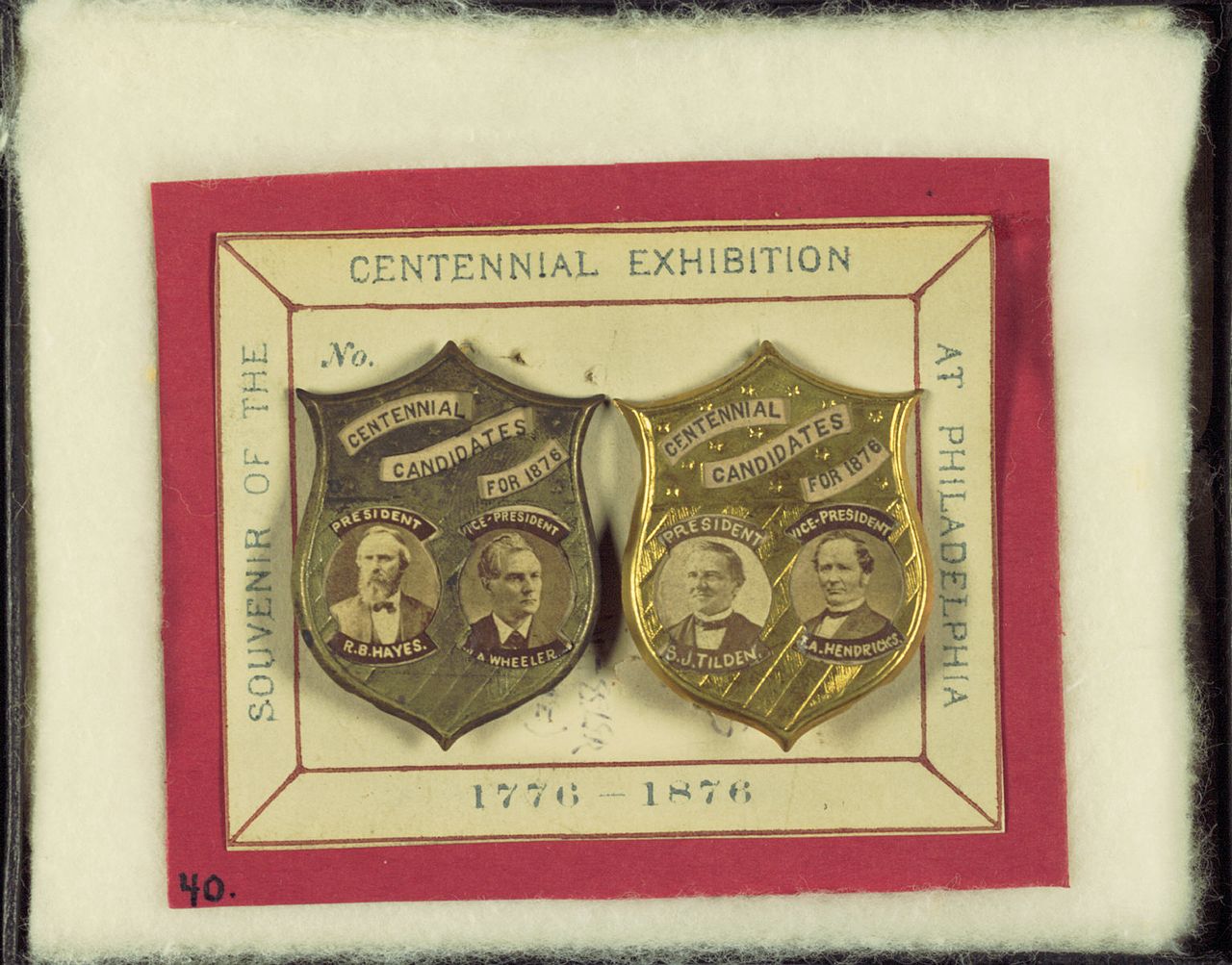
Hayes quickly ended what remained of post-war Reconstruction, ensuring that North and South would be reunited by excluding and erasing Black Americans from this new Union.
If North and South still eyed each other with some suspicion in 1876, perhaps the most significant regional news during the Centennial came from the trans-Mississippi West.
Just two days after the July 4 festivities, the Philadelphia Times published a dispatch from the Little Bighorn River in Montana reporting “An Indian Massacre.” The Battle of the Little Bighorn had taken place at the end of June, although the news of it took more than a week to reach the East Coast.
The Civil War might have been over, but in 1876, the war against Native people was certainly not. It would continue for almost 15 more years.
1926: The Sesquicentennial
Fifty years later, Americans had no need to measure their economic achievements by Europe’s yardstick. At the outbreak of the First World War, the American economy was the largest in the world.
Take one example: by 1914 the United States was linked together by roughly 250,000 miles of railroad, a network bigger than that of Europe and South America combined. By the time the war was over, New York had replaced London as the world’s financial center as well.
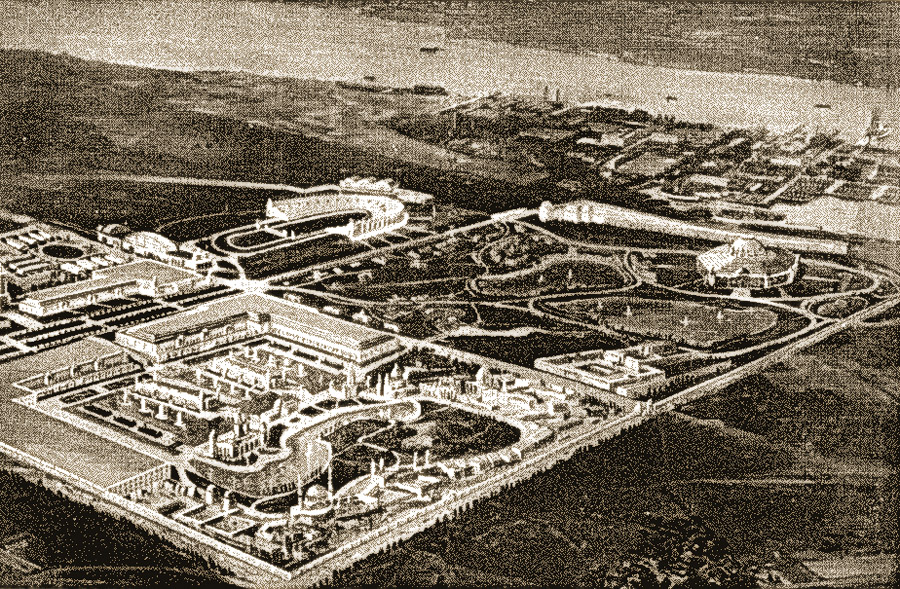
Planning for the Sesqui had begun just before the U.S. entry into the war, was put on hold during 1917 and 1918, and then suffered from a post-war economic contraction in Philadelphia as well as the effects of the Spanish influenza. By the time the Great International Exposition of Philadelphia opened on May 31, 1926, the whole event had been scaled down considerably from its original grand (or grandiose) size.
If in 1876 there weren’t yet 50 million people living in the United States, by 1926 that number lived within 500 miles of Philadelphia. Giddy estimates predicted 30 million visitors would attend during the summer.
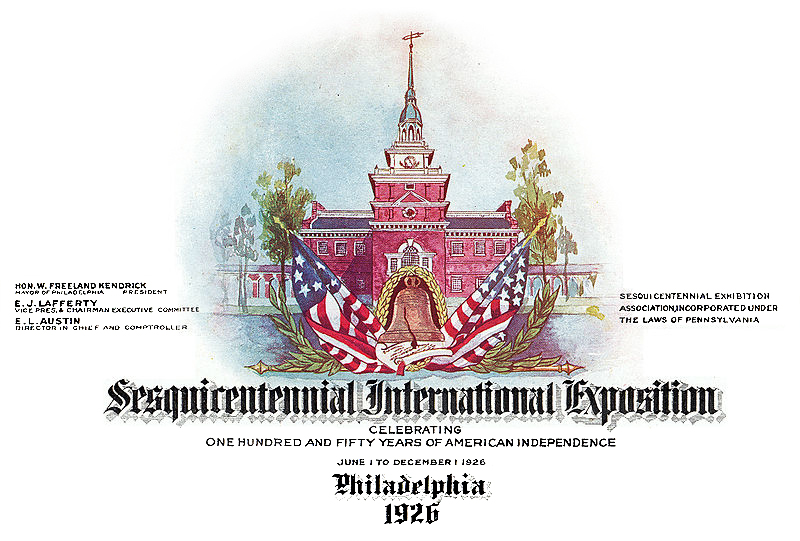
But if the Centennial of 1876 was deemed a rousing success, the Sesqui was viewed almost universally as a colossal disappointment. By the time the gates closed on November 30, fewer than 6.5 million had come, and the organization created to organize the fair was unable to pay its bills from the feeble gate receipts. Instead, it declared bankruptcy in 1927.
It was easy enough to blame the weather. It rained heavily on opening day, and the sun didn’t come out on the last day of the fair either. In between, it rained on 107 of the 184 days the fair was open.
But there was something larger, if perhaps ineffable, that explains why, in the opinion of Variety, the Sesqui turned into “America’s Greatest Flop.”
There was something anachronistic about the fair, something out of place, something that felt tired and obligatory. “The World’s Fair idea is out of date. We have completely outgrown it,” said one writer in 1925, and yet, she went on, “there must be a celebration of the 150th anniversary of our nation’s birth.”
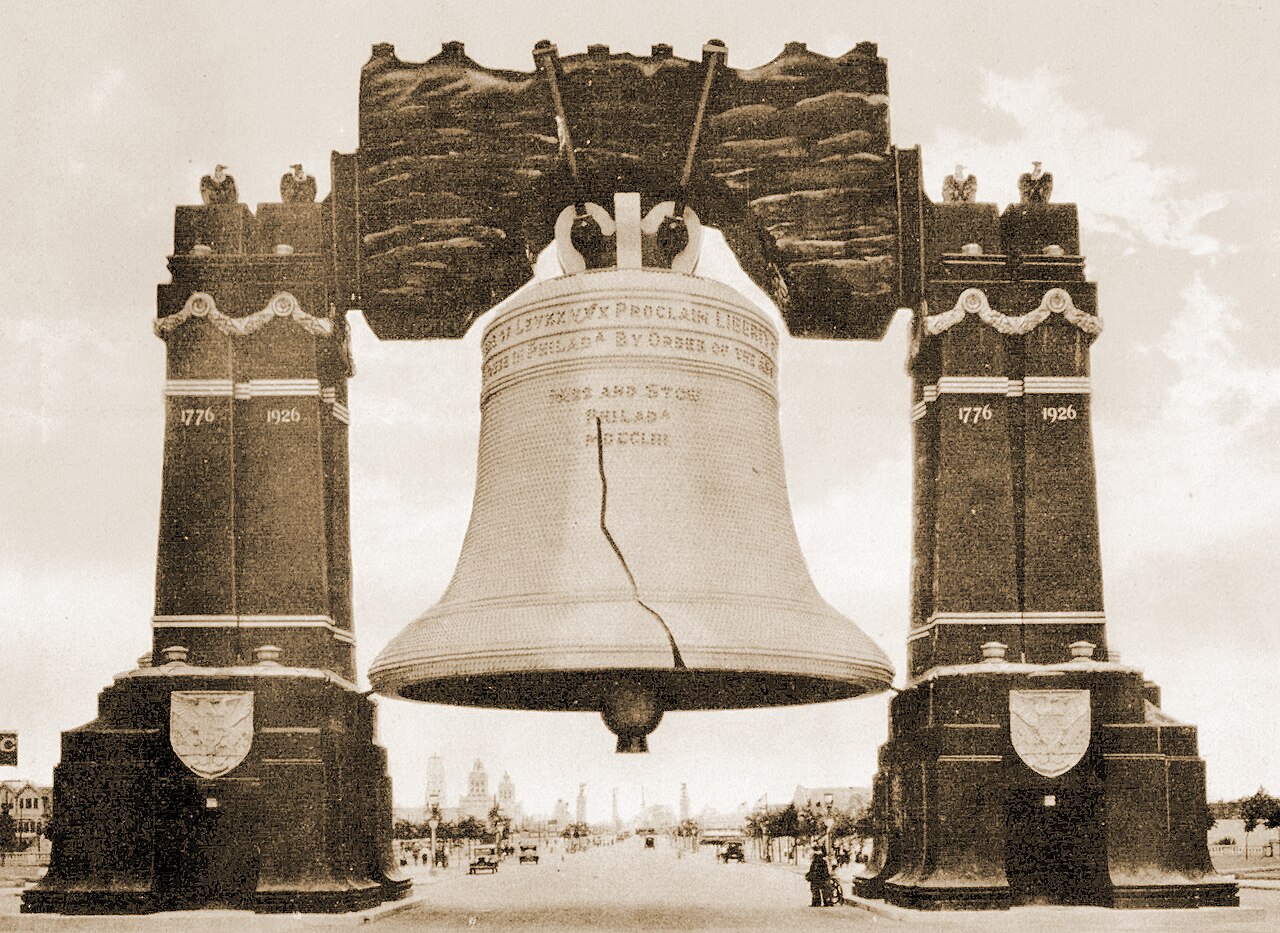
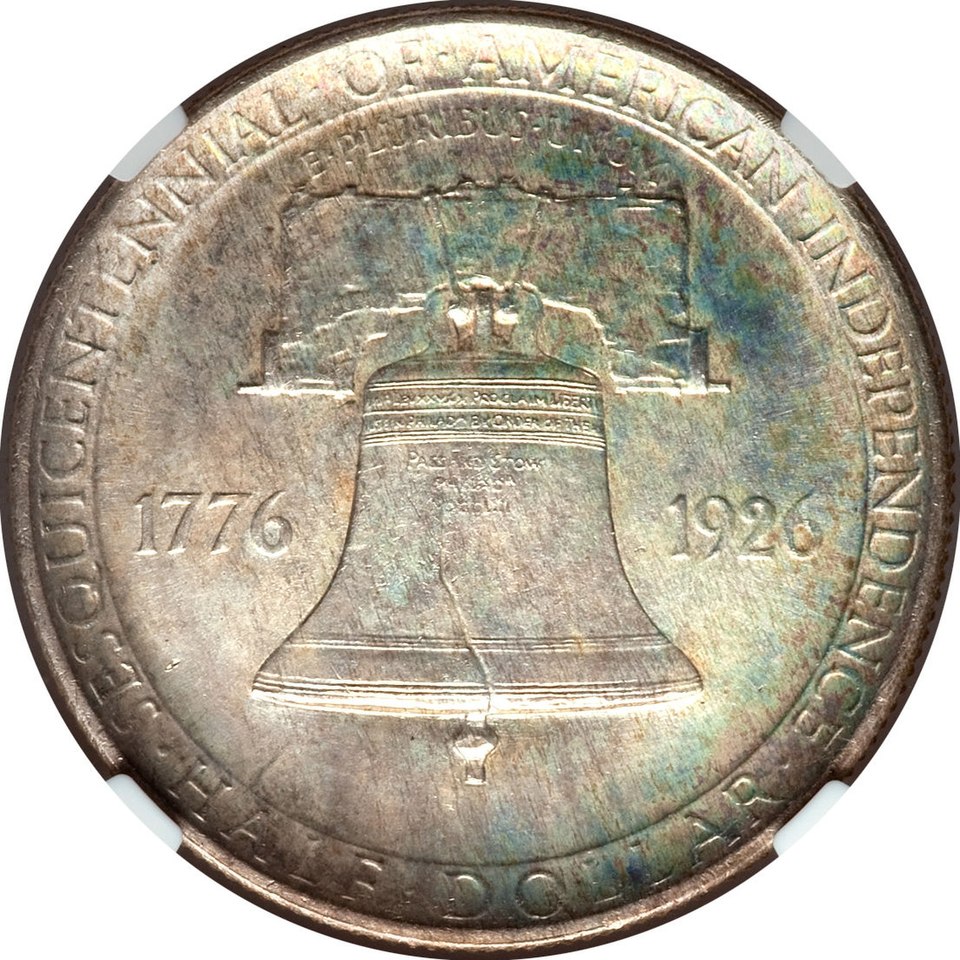
The Sesqui did reflect its moment in some ways. There was another Liberty Bell. A huge one, in fact, that served as an arched entrance to the fair, but instead of being made of soap, this time it was covered by 26,000 light bulbs, befitting an age of consumer electric products.
The 1920s also saw the arrival of mass spectator sports, and so fittingly, the most memorable event of the Sesqui summer was a heavyweight fight between Jack Dempsey and Gene Tunney. They fought in a horseshoe-shaped stadium built for the fair. Hundreds of thousands, maybe millions, heard the fight broadcast live on radio, the new medium of the 1920s. Alas, the 125,000-plus people who watched in person had to stand in the rain.
Perhaps the most popular exhibit at the fair was the recreation of Philadelphia’s original High Street circa 1776. Lining the street were 20 houses built in the red brick colonial style, plus a Market Place and Town Hall. Most observers agreed that High Street was the most memorable part of the otherwise forgettable Sesquicentennial.
High Street was a woman’s domain. Each of the buildings had been sponsored and was run by a different women’s organization. The Daughters of the American Revolution (DAR), for example, presided over “Washington House,” while the somewhat more humble “Little Wooden House” was the responsibility of the War Mothers. Women from the Pennsylvania School of Horticulture planted and tended the landscaping along the street.
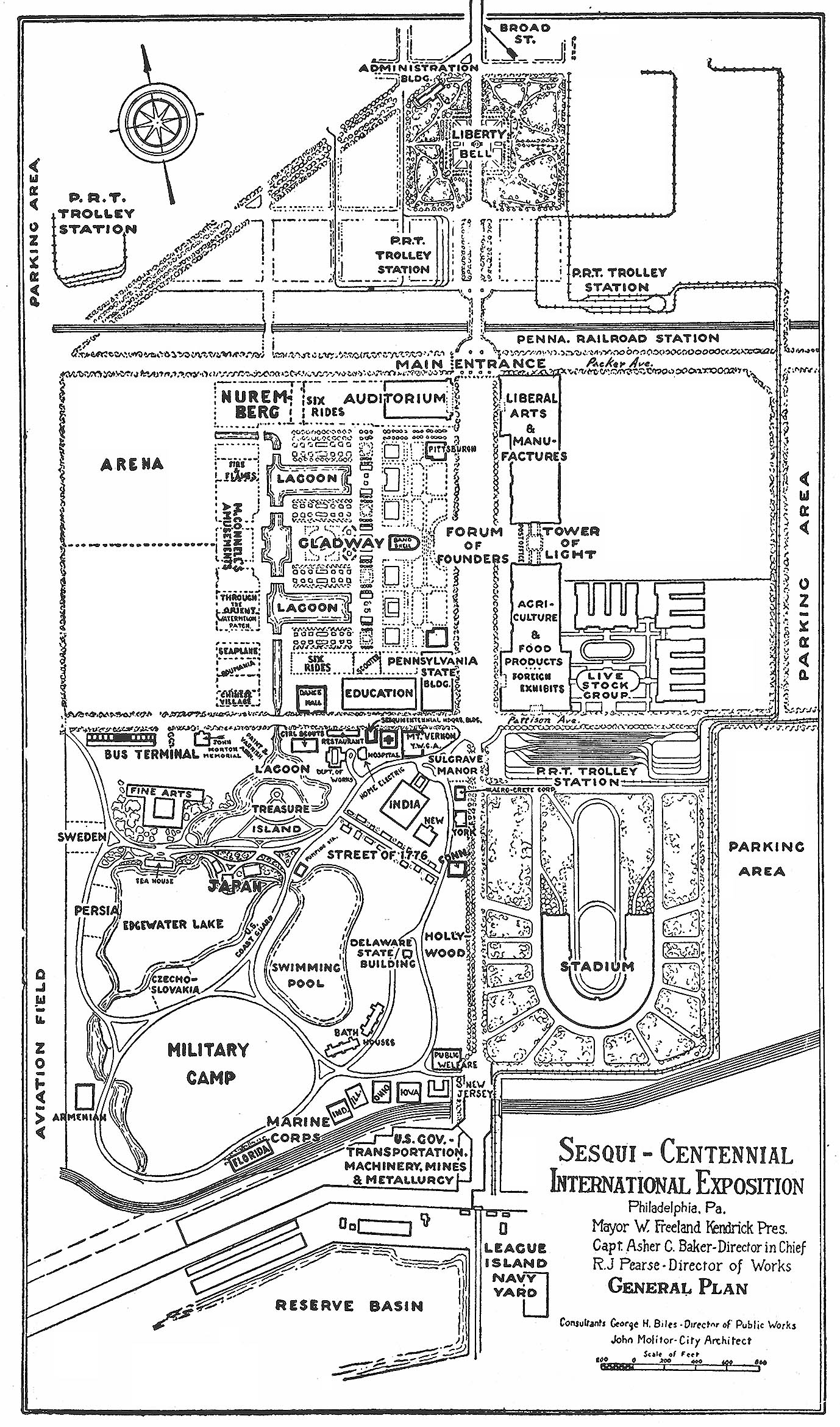
By recreating a stage-set scene from 1776, High Street was something of a rebuke to the Centennial’s lack of historical engagement.
As Elizabeth Frazer told the Saturday Evening Post, “Boiled down, the Sesqui-Centennial is nothing more or less than a great history lesson.” She went on to describe it as what we might today call an immersive historical experience: “the flesh and blood of those past events rendered visible to our eyes.”
Perhaps. But the “flesh and blood of those past events” had been tidied up, even sanitized, on the High Street of 1926. The actual streets of Philadelphia in 1776 were crowded, bumptious, not to say filthy, bustling with day laborers, dock workers, and sailors, among others. Those Philadelphians, and the history they represented, had vanished by 1926.
“It needs an actual street like this,” the hostess at the Stephen Girard house explained to a reporter, “to reveal the fine heritage of beauty and dignity in ordinary everyday life which our ancestors have passed on to us. It proves that our beginnings were not chaotic, lawless, cheap or tawdry, but essentially noble, dignified.”
Philadelphia’s High Street and the history it presented at the Sesqui were thoroughly gentrified.
In this sense, history at the Sesquicentennial was of a piece with the national mood in the 1920s. Decades of mass immigration, especially from the countries of southern and eastern Europe, had changed the American demographic profoundly and in ways that appalled many of the old immigrant WASPs who positioned themselves as “real” Americans.
Those new immigrants had prompted the creation of genealogical groups like the DAR and the Colonial Dames in the first place, and in 1921 and 1924, that immigration prompted xenophobic legislation that effectively shut off new arrivals from Italy, Poland, Hungary, and other such countries.
The American history on view at the Sesquicentennial had been stripped of racial and ethnic diversity, and it made no acknowledgment of working people of any stripe. Not exactly a faithful representation of America, or Philadelphia, in 1776, but one dreamt up by the members of the DAR.
Of course, in the end, not that many people came to take it all in.
1976: The Bicentennial
Planning for the Bicentennial kicked off in 1966 when President Lyndon Johnson created the American Revolution Bicentennial Commission (ARBC), and Philadelphia was again chosen to be the focus of the nation’s celebrations. But by the time 1976 rolled around, the national mood had turned decidedly sour.
Over those 10 years, three things turned the promise of the 1960s into the malaise of the 1970s.

First, the Vietnam War went from being simply a terrible idea into an irredeemable fiasco. By 1967, Secretary of Defense Robert McNamara had concluded that the war was unwinnable, and yet the U.S. continued to send men off to kill and die for almost another decade. The war ended ignominiously in April 1975 when Americans were driven out of Saigon.
Second, in the early 1970s, the economic boom Americans had enjoyed since the end of World War II—economic growth they had come to expect as their due—ground to a juddering halt. Unemployment started to rise, and so did inflation.
In cities like Philadelphia, the industrial economy was imploding. Factory closures in Detroit, Pittsburgh, Chicago, and many other cities gave rise to the shorthand “Rust Belt,” sending American cities into an economic and social crisis by the mid-1970s. In 1976, unemployment nationally stood at 7.6%, but in the Bicentennial city, it was a tick over 10%.
And then there was Richard Nixon, and Watergate.
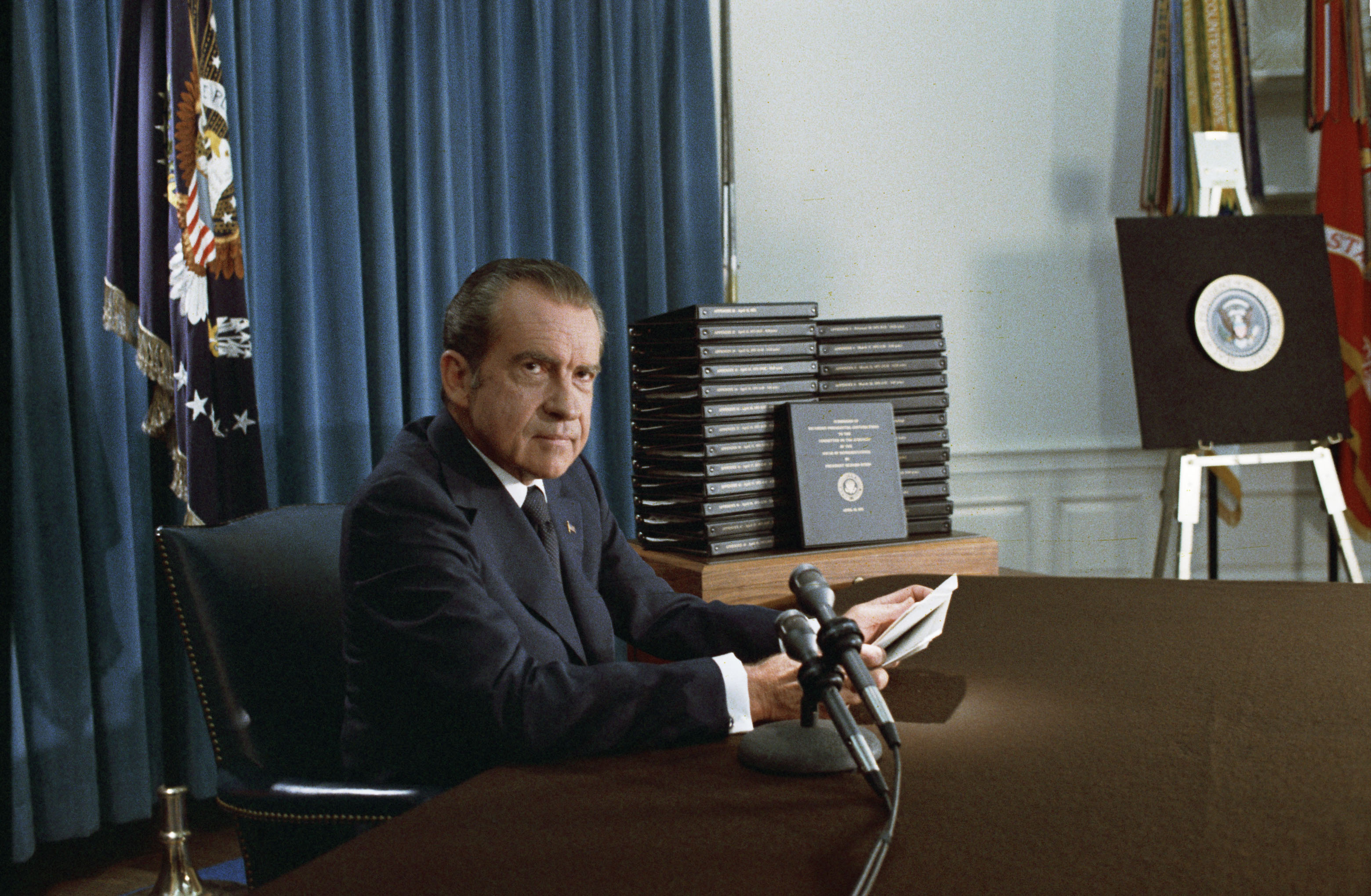
Surely the worst Constitutional crisis since the Civil War, the Watergate scandal consumed Nixon’s second term, as journalists and Congressional hearings revealed the extent of the dry rot in Nixon’s White House. Of course, that second term was truncated. Nixon resigned in disgrace on August 8, 1974, the only American president ever to do so.
Under these circumstances, many Americans found themselves wondering just what there was to celebrate in 1976 about the great American experiment.
Planners, undaunted or gritting their teeth, forged ahead. The sunniest among them predicted 100 million visitors to Philadelphia, and they wanted to use the Bicentennial to showcase experiments in urban renewal. And while the idea of another world’s fair was quickly dismissed, planners did put forth proposals for a series of ambitious, and expensive, projects.
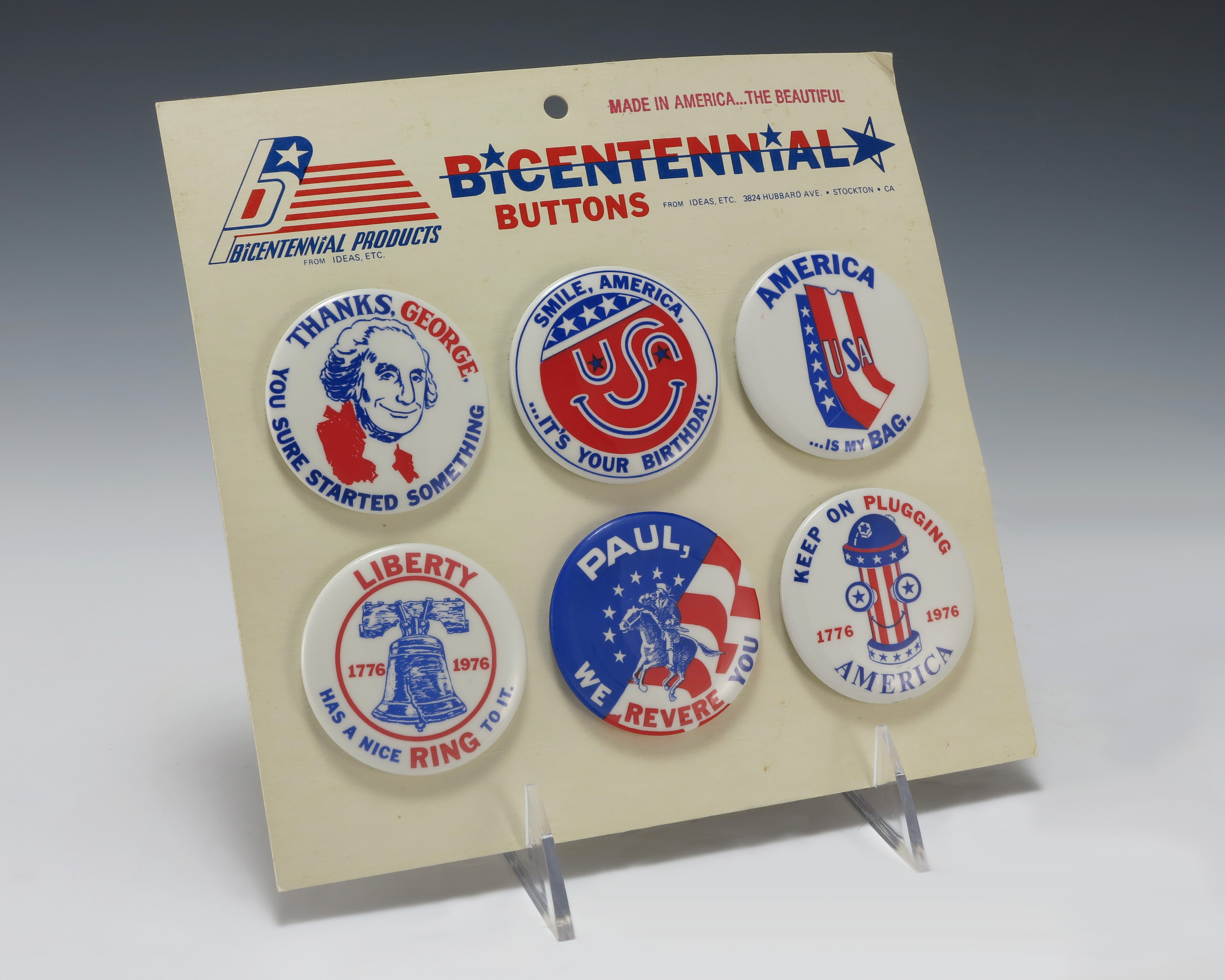
Even before the recession settled in, the price tag on these projects—a billion dollars initially—caused funders to scoff. Ambitions shrank along with budgets, and in the end, the Bicentennial amounted largely to a series of commemorative events spread across the year.
Some of them were modest, like the burial of a time capsule to be opened in 2076; others were bigger, like the five-hour-long July 4 parade through Philadelphia that featured 40,000 marchers representing each of the 50 states. A few were really big: Sara Lee produced a birthday cake for the nation, weighing 50,000 pounds.
On July 6, Queen Elizabeth II, who represented the monarchy Americans had thrown off, presented the city with a “Bicentennial Bell” cast in the same foundry that had made the Liberty Bell in 1752. One wonders what Thomas Jefferson and Tom Paine would have made of that.
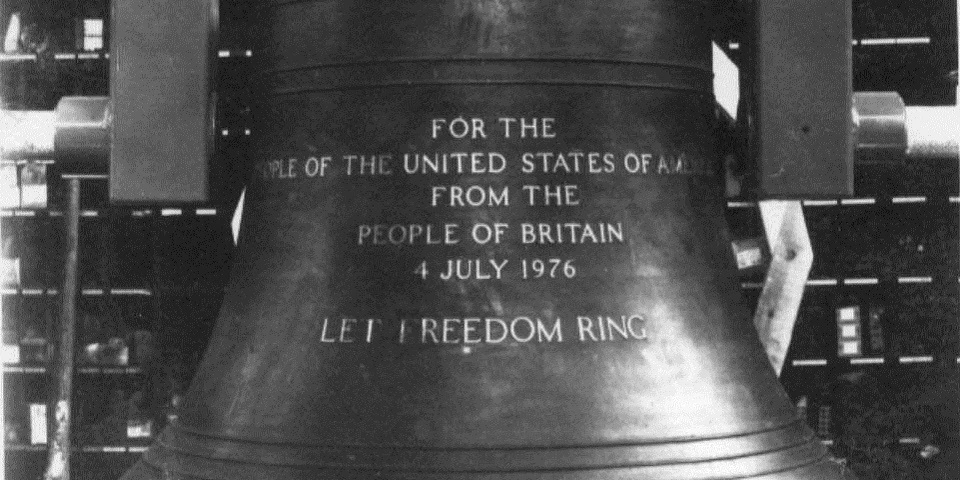
History got its due in 1976. Valley Forge, on the far end of the Philadelphia metropolitan region, became a National Park, and several of the buildings comprising Independence National Historical Park, in the heart of the city and already expanded in 1973, were refurbished. The Liberty Bell itself was relocated to a new pavilion (from which it was relocated again into a new building early in this century).
But celebrating the American Revolution in 1976 posed a thorny problem for some, especially on the conservative end of the political spectrum. Talk of revolution had been thick in the air in the late 1960s and early 1970s, and that talk came from Black activists, feminists, anti-war activists, and the like. Black musician Gil Scott-Heron even promised that the revolution would not be televised.
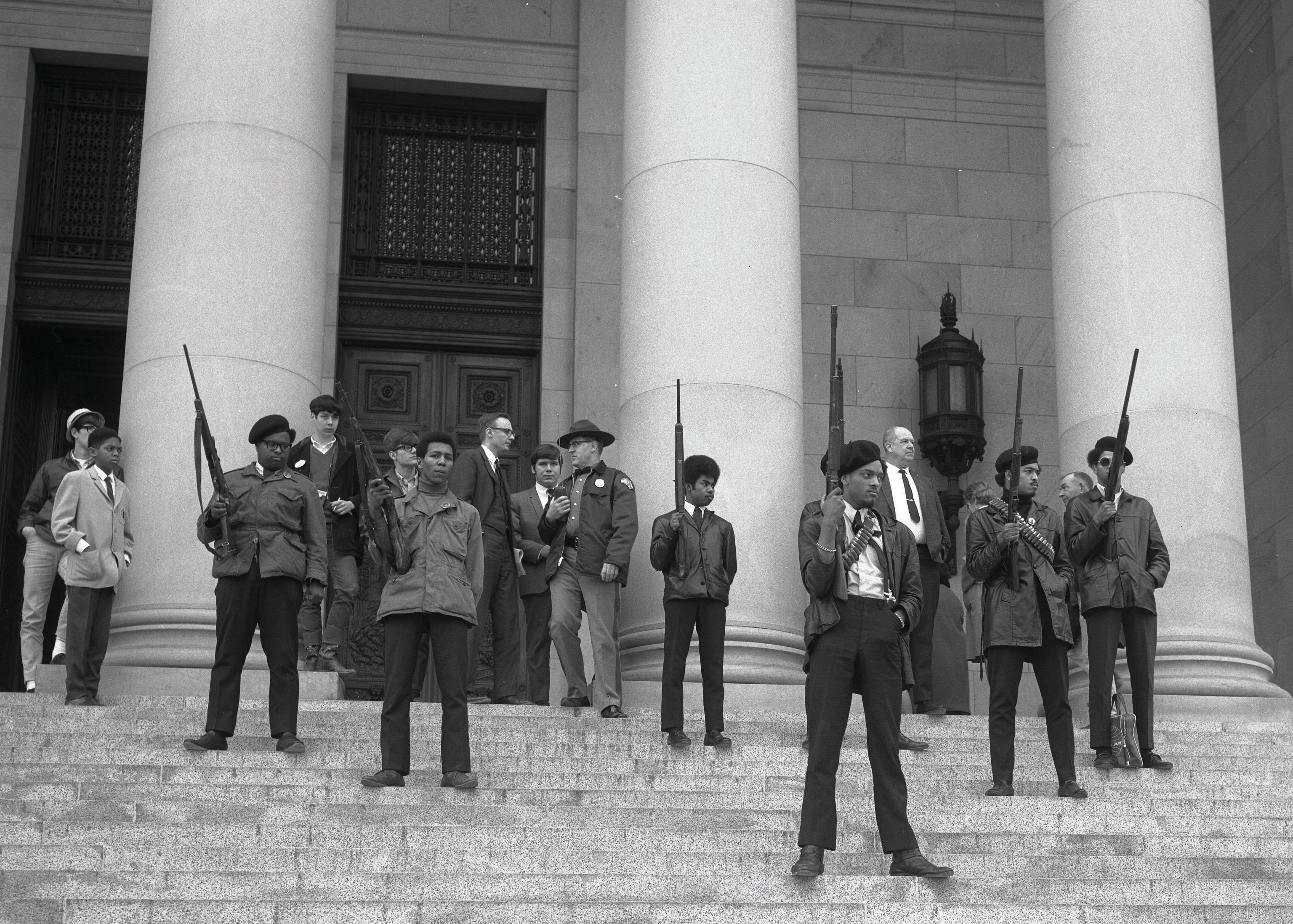
Some of these linked the struggles of Black, brown, and Native people in the United States to the anti-colonial revolutions taking place around the developing world. The American government, of course, set itself squarely against those revolutions, whether in Central America or in Southeast Asia.
How then to celebrate the revolution that created the United States while continuing to deny the legitimacy of any further revolution here or abroad?
The Bicentennial Commission of California squared this circle with a nifty bit of Nixonian double-speak. It passed a resolution which read: “The American Revolution was not a ‘revolution.’”
That didn’t placate any number of Americans, who saw themselves on the outside looking in as plans went ahead for the Bicentennial. And so, unlike the birthdays in 1876 and 1926, the Bicentennial generated a great deal of protest and demonstration. Some protesters insisted that the historical experiences of minority groups and women be represented – finally! – as part of the American experience.

Others objected to the essentially corporate nature of the Bicentennial planning process, and they weren’t wrong about that. The ARBC concentrated most of its efforts trying to persuade major corporations that there was money to be made by marketing patriotism.
Without any self-awareness, much less irony, the Chairman of the ARBC wrote in a letter that the ARBC wanted to “involve as many Americans as possible” in observing the 200th birthday, and to achieve that noble goal, he wanted “to invite approximately twenty principal executives of major corporations of our country to a dinner at Blair House.”
The controversies the planning process created spooked Philadelphia’s mayor, Frank Rizzo.
Rizzo stood, all 6’3”, 250 lbs. of him, as an almost operatic figure on the national political scene. A product of South Philadelphia’s Italian enclave and then of the Philadelphia Police Department, and a creature of the old Democratic machine in the city, Rizzo appealed to white ethnic voters with rhetoric that was either subtly racist (he was among the first to blow the “law and order” dog whistle) or just overtly so. He and Nixon developed quite a friendship in the early 1970s.

Rizzo did not want any feminists or Black radicals ruining “his” Bicentennial, and he thundered about how he would keep the streets safe in 1976. In so doing, he projected an image of Philadelphia as crime-riddled and dangerous.
In the end, only 14-20 million people came to Philadelphia in 1976, well short of the original estimates. Many blamed Rizzo for scaring the tourists away.
2026: The Semiquincentennial
I write this at the end of 2025, and I am reluctant to make predictions about what 2026 will bring. But I don’t think it is much of a stretch to say that the Semiquincentennial will witness fights over the scope of what constitutes the history of the nation and what it all means.
After all, those fights have already begun.
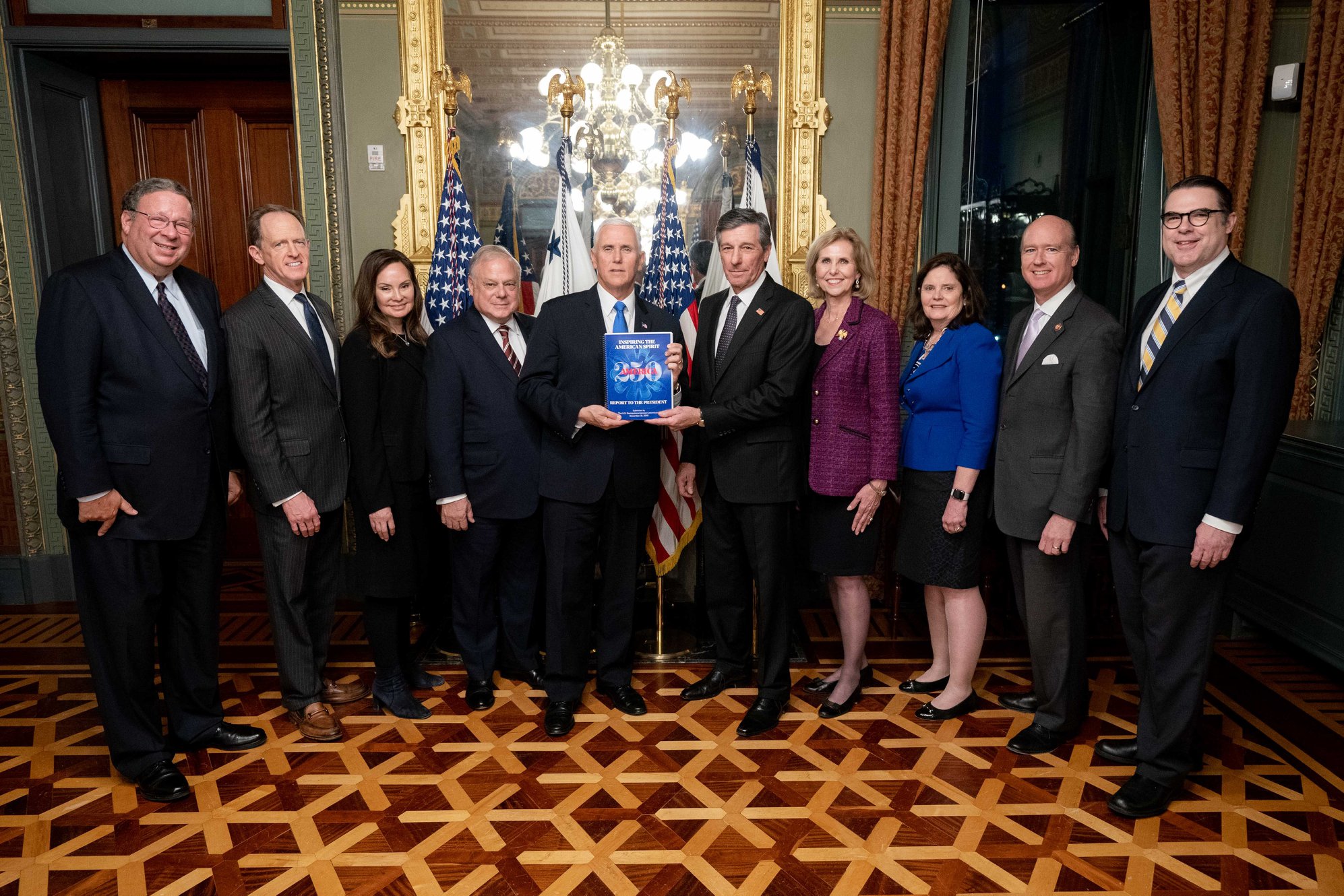
2025 saw an unprecedented attack by the Trump Administration, and its allies in various states including Florida and Ohio, on whose history is taught and how it is presented to the public. This has involved interventions in everything from K-12 curriculum, to college course requirements, to the removal of historical interpretations at National Parks and the muzzling of National Park employees.
The goal of all of this is to promote a particular version of American patriotism that sees the nation not as in the process of becoming “a more perfect union,” in the words of the Constitution, but as blameless and unapologetically so.
For the right, any talk of slavery, or of Indian removal, of the bad consequences of American foreign policy or of American capitalism apparently makes them feel bad about themselves (or maybe about their ancestors).
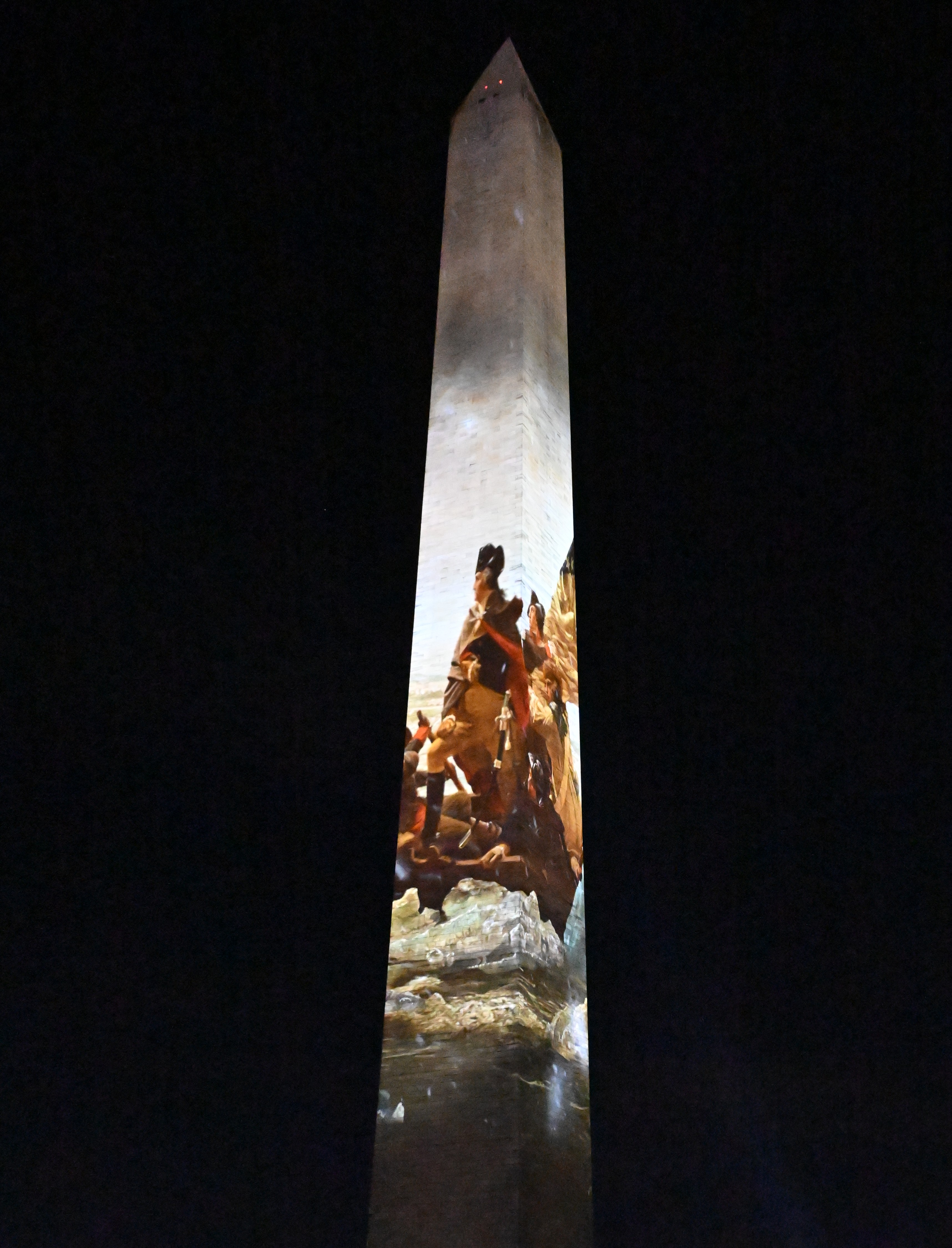
For white Christian nationalists, the nation was created by divine providence, and therefore any charge against it amounts to a charge against God’s plan. Both share the goal of erasing inconvenient historical truths.
Whatever happens in the coming year, I suspect that when we arrive at the Tercentenary in 2076, we will look back at the Semiquincentennial and see it, like 1876, 1926, and 1976, as a mirror of its moment.
Bordewich, Fergus. The Great Fair of 1876 and the Invention of America’s Future. New York: Knopf, 2026.
Giberti, Bruno. Designing the Centennial: A History of the 1876 International Exhibition in Philadelphia. Lexington: University of Kentucky Press, 2002.
Giblin, James. Fireworks, Picnic, Flags. New York: Clarion Books, 1983.
Keels, Thomas. Sesqui!: Greed, Graft, and the Forgotten World’s Fair of 1926. Philadelphia: Temple University Press, 2017.
Stein, Marc. Bicentennial: A Revolutionary History of the 1970s. Chicago: University of Chicago Press, 2026.
Stone-Gordon, Tammy. The Spirit of 1976: Commerce, Community, and the Politics of Commemoration. Amherst: University of Massachusetts Press, 2013.


.jpg)
.jpg)


.gif)


